
Cultural Fusion Cuisine: How Globalization Is Reshaping Home Cooking
The Rise of Cultural Fusion in Everyday Kitchens
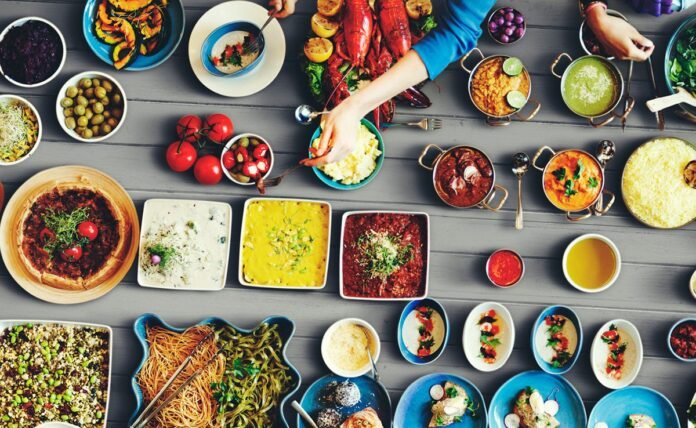
Globalization has profoundly transformed the way we think about food, bringing distant cultures into our home kitchens in ways unimaginable just a few decades ago. The rise of cultural fusion cuisine—a blending of culinary traditions, ingredients, and techniques from around the world—is perhaps one of the most visible signs of this shift. Today, it is common for a home cook in the United States to combine Italian pasta techniques with Korean spices or to serve Mexican tacos with Japanese-inspired fillings. This blending is not merely about novelty; it reflects a broader trend of curiosity, experimentation, and access. Ingredients that were once rare or difficult to obtain, like miso paste, exotic spices, or specialty cheeses, are now readily available in supermarkets worldwide, making it easier than ever for home cooks to experiment with flavors and textures from multiple cultures in a single meal.
Beyond ingredients, technology has also played a significant role in enabling fusion cooking. Social media platforms, cooking blogs, and video tutorials allow home cooks to explore global recipes, adapt them to local tastes, and share their own innovations with a worldwide audience. This exchange of culinary knowledge fosters creativity, encouraging people to merge traditional dishes in ways that celebrate multiple heritages. For example, a simple stir-fry might combine Southeast Asian techniques with European vegetables and Mediterranean oils, creating a dish that is both familiar and entirely new. Such experimentation not only expands palates but also nurtures an appreciation for the stories and histories embedded in different cuisines. The kitchen, once a place of routine, becomes a site of cultural exploration and artistic expression, reflecting how interconnected our world has become.
Ingredients and Techniques Crossing Borders
One of the most tangible impacts of globalization on home cooking is the accessibility of international ingredients and culinary techniques. Supermarkets now stock items from around the globe, from Japanese shiso leaves to Indian spices and Peruvian quinoa. This easy access allows home cooks to experiment without having to travel, turning their kitchens into microcosms of world cuisines. Importantly, these ingredients are not just novelties—they inspire new ways of preparing familiar foods. For instance, using Thai lemongrass or North African harissa in traditional Western dishes can completely transform flavors while maintaining the comfort and familiarity of home-cooked meals. Cooking techniques, too, have crossed borders: sous-vide, popularized in French gastronomy, now appears alongside stir-frying, smoking, and fermenting in homes worldwide. These shared methods give home cooks a broader toolkit, encouraging innovation while honoring culinary heritage.
The influence of global techniques and ingredients also highlights the democratization of culinary knowledge. Online tutorials, international cooking classes, and recipe apps make it possible for anyone to learn the nuances of authentic cooking methods from distant cultures. As a result, dishes that once required specialized training or regional knowledge can now be adapted and reimagined at home. This accessibility encourages experimentation and hybridization, giving rise to new recipes that respect the essence of multiple culinary traditions. For example, Italian gnocchi infused with Indian spices or Japanese-inspired burgers with kimchi toppings exemplify how cultural fusion transforms familiar dishes into something exciting and unexpected. Ultimately, these experiments reflect the fluidity of modern cuisine, demonstrating how globalization allows food to serve as both a bridge and a playground for cultural expression.
The Social and Cultural Significance of Fusion Cuisine
Cultural fusion cuisine extends beyond flavor; it reflects evolving social attitudes, identity, and connectivity in a globalized world. Sharing a fusion dish at home is more than a meal—it is a celebration of diversity, curiosity, and openness to new experiences. It allows home cooks to explore other cultures respectfully while integrating them into their own culinary identity. In a way, cooking fusion cuisine mirrors the multicultural societies in which we live, where ideas, traditions, and tastes constantly intersect. For families, preparing fusion meals can become a hands-on lesson in geography, history, and cultural understanding, fostering appreciation for global diversity. The kitchen transforms into a space where cultural boundaries blur, encouraging experimentation and dialogue through taste and presentation.
Moreover, fusion cuisine often prompts reflection on the origins of ingredients and dishes, promoting mindfulness about global connections and cultural heritage. While some critics argue that fusion cooking risks oversimplifying or commodifying traditions, thoughtful home cooks use it as a platform for innovation, adaptation, and learning. By incorporating flavors from various regions, home chefs create dishes that are deeply personal yet globally inspired, demonstrating how food can evolve while honoring its roots. This approach underscores a broader societal shift: the embrace of hybridity and the blending of cultural narratives. Ultimately, cultural fusion cuisine is not just a culinary trend; it is a testament to the power of globalization to reshape our eating habits, broaden our tastes, and transform our kitchens into spaces of creativity, curiosity, and connection.