
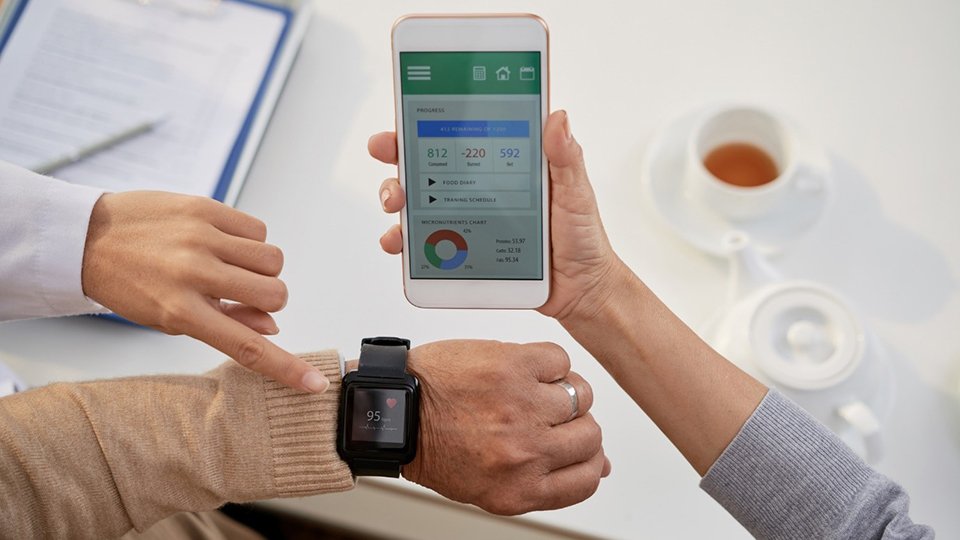
Wearable Health Tech: Helpful Tool or Data Overload?
The Rise of Wearable Health Technology
In the past decade, wearable health technology has transformed from niche gadgets to mainstream devices. Fitness trackers, smartwatches, and even smart rings now monitor a wide range of health metrics, including heart rate, sleep patterns, blood oxygen levels, and daily activity. These devices promise to give users greater insight into their overall well-being, helping them make informed lifestyle choices. With wearable health tech, individuals can track progress toward fitness goals, monitor chronic conditions, and even detect potential health issues early. Companies like Apple, Fitbit, and Garmin have invested heavily in these devices, integrating advanced sensors and AI-driven analytics. However, while the data generated by these devices can be powerful, it also raises important questions about how much information is truly useful, and whether constant monitoring might create anxiety rather than improve health outcomes.
Benefits: Empowering Users with Real-Time Insights
Wearable health technology offers significant benefits, particularly in promoting preventive healthcare and encouraging healthier habits. Real-time monitoring allows users to see trends and adjust behaviors immediately, whether that’s taking more steps, improving sleep hygiene, or managing stress. Athletes and fitness enthusiasts can fine-tune workouts based on detailed metrics, optimizing performance and reducing the risk of injury. For patients with chronic conditions, wearable devices provide valuable insights into patterns that may require medical attention, helping healthcare providers make informed decisions. Additionally, some wearables now feature emergency alerts, such as fall detection or abnormal heart rhythm notifications, which can be life-saving. By empowering individuals with personalized, accessible data, wearable tech has the potential to improve overall health awareness, accountability, and engagement in proactive care, bridging the gap between everyday habits and clinical advice.
Challenges: Navigating Data Overload
Despite its advantages, wearable health tech comes with challenges, particularly the risk of overwhelming users with too much information. Many devices track dozens of metrics, often presenting data without sufficient context, which can lead to confusion or unnecessary stress. Users may fixate on minor fluctuations, misinterpreting normal variations as health concerns. This “data overload” can reduce the device’s effectiveness, as users may either ignore the information entirely or become anxious about their health. Moreover, the accuracy of wearable sensors is not always perfect, and errors can lead to false alarms or misleading trends. For healthcare professionals, integrating patient-generated data into clinical workflows can be difficult, as the sheer volume and variability of information may hinder rather than help decision-making. Ultimately, balancing the benefits of continuous monitoring with the psychological and practical challenges of excess data remains a critical concern.
Privacy and Ethical Considerations
Another important aspect of wearable health technology is privacy. These devices collect highly personal and sensitive health information, often transmitting it to cloud-based platforms. While many companies employ encryption and security measures, data breaches and unauthorized access remain risks. Users must also consider how their health data might be shared with third parties, such as insurance companies or advertisers, raising ethical questions about consent and exploitation. Additionally, continuous monitoring can blur boundaries between self-care and surveillance, prompting concerns about whether wearable tech reinforces social pressure to conform to health norms. Ethical design and transparent data policies are essential to ensure users retain control over their personal information. As the technology advances, striking a balance between the benefits of health monitoring and the protection of user privacy is crucial for building trust and encouraging responsible adoption.
Finding the Balance: Maximizing Benefits, Minimizing Stress
The key to wearable health technology is finding a balance between actionable insights and data overload. Users can maximize benefits by focusing on metrics that are relevant to their health goals, rather than tracking every possible statistic. Simplified dashboards, intelligent alerts, and personalized recommendations can help interpret data effectively, making it more meaningful and manageable. Healthcare providers can also play a role by guiding patients in interpreting wearable data within the context of overall health. Moreover, developing digital literacy and understanding the limitations of sensors and algorithms can prevent misinterpretation. Ultimately, wearable health tech should function as a supportive tool rather than a source of constant anxiety. When used thoughtfully, it empowers individuals to make informed decisions, stay engaged with their health, and proactively prevent medical issues, all without being buried in a mountain of confusing numbers.