
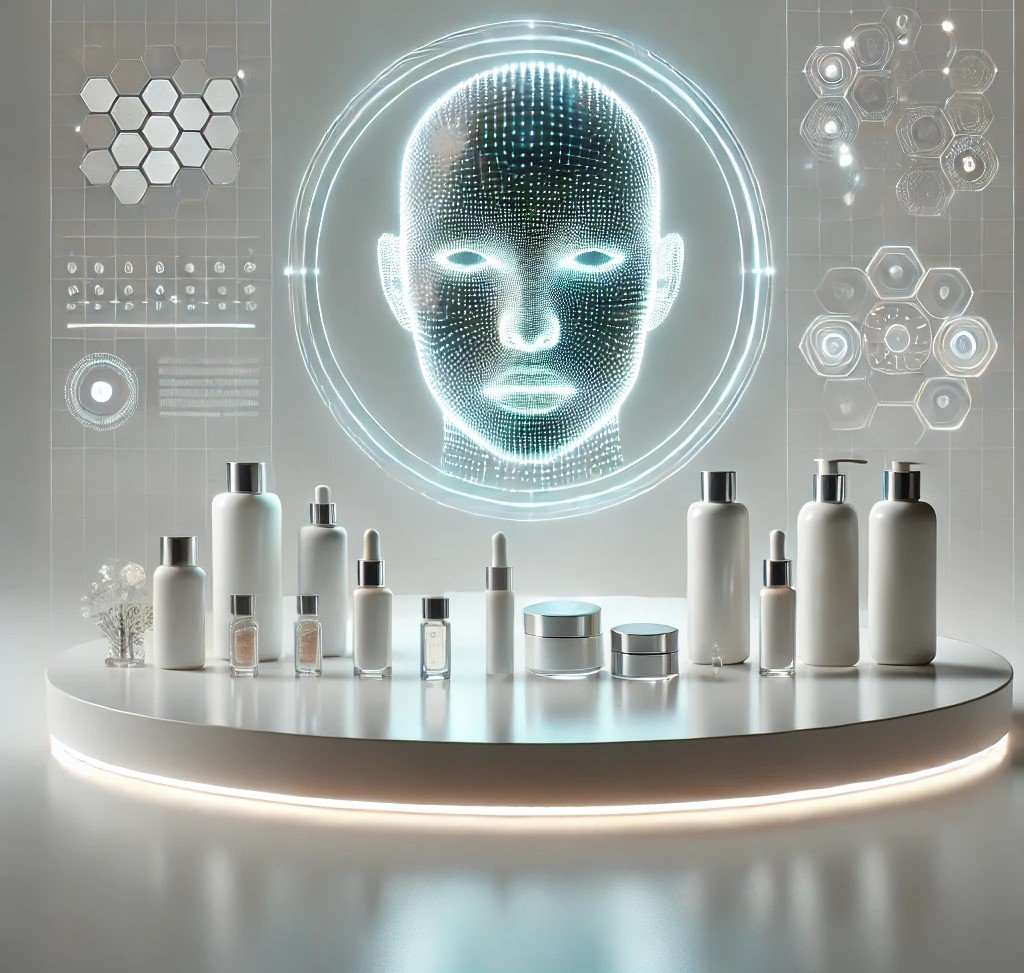
Tech in Beauty: AI, Virtual Try-Ons, and Personalized Products
The beauty industry has long been synonymous with glamour, creativity, and self-expression. However, the digital age has transformed this sector, merging technology with traditional cosmetic practices in unprecedented ways. One of the most transformative innovations has been the integration of Artificial Intelligence (AI). AI-driven tools now analyze skin types, tones, and conditions, providing users with tailored skincare routines and product recommendations. Brands like L’Oréal and Estée Lauder have invested heavily in AI research to ensure personalized experiences that adapt over time. Beyond basic recommendations, AI algorithms can detect early signs of skin issues, predict aging patterns, and even suggest lifestyle changes to maintain skin health. This shift allows beauty enthusiasts to make informed decisions rather than relying solely on trial and error, bridging the gap between scientific precision and individual preferences. The result is a smarter, data-driven approach to beauty that enhances customer satisfaction while boosting brand loyalty.
Another significant advancement in beauty technology is virtual try-on systems. These platforms allow users to experiment with makeup, hair colors, and even skincare effects without physically applying products. Powered by augmented reality (AR) and sophisticated facial recognition software, virtual try-ons provide real-time simulations, enabling consumers to see how a lipstick shade, eyeshadow palette, or foundation formula looks on their face instantly. Companies like Sephora, Ulta, and Perfect Corp. have popularized AR beauty apps, transforming the shopping experience both online and in-store. Virtual try-ons not only reduce the guesswork in product selection but also minimize waste, as consumers purchase only what suits them. Additionally, these tools foster engagement and interactivity, making shopping fun and personalized. By merging technology with aesthetic decision-making, virtual try-ons empower customers to explore and experiment confidently, revolutionizing the way beauty products are discovered, sampled, and purchased.
Personalized beauty products have emerged as another revolutionary trend, facilitated by advanced analytics and AI algorithms. These products are designed to meet the unique needs of individual consumers, ranging from skincare serums to foundation shades and hair care solutions. Brands collect data through questionnaires, skin scans, and AI assessments to create formulas tailored to specific skin types, concerns, and preferences. Companies like Function of Beauty and Proven Skincare have leveraged this approach, offering fully customized products that reflect an individual’s lifestyle, environment, and genetics. This level of personalization fosters a deeper emotional connection between consumers and brands, as products feel uniquely crafted for each user. Furthermore, the personalization trend addresses growing consumer demand for inclusivity and specificity, accommodating diverse skin tones, sensitivities, and beauty goals. In an era where cookie-cutter solutions no longer suffice, personalized products represent a shift toward a more thoughtful and individualized beauty experience.
The integration of AI, virtual try-ons, and personalized products also has broader implications for sustainability and efficiency in the beauty sector. AI can optimize inventory management by predicting trends and reducing overproduction, while virtual try-ons minimize product testing and packaging waste. Personalized formulations encourage responsible consumption by ensuring products are tailored and fully utilized, rather than discarded due to mismatched shades or ineffective results. This convergence of technology and sustainability reflects the industry’s growing commitment to environmental responsibility without compromising customer satisfaction. Moreover, data-driven insights from AI and digital platforms help brands innovate faster and respond to evolving consumer preferences. By aligning technological advancements with eco-conscious practices, the beauty industry demonstrates that innovation can enhance both user experience and environmental stewardship simultaneously.
Looking ahead, the fusion of technology and beauty promises even more transformative developments. AI could soon anticipate consumer needs before they arise, virtual try-ons may expand to full-body simulations for fashion and cosmetic integration, and personalized products might incorporate DNA analysis for hyper-specific solutions. As these innovations continue to evolve, the boundary between physical and digital beauty experiences will blur, offering increasingly seamless, accurate, and immersive solutions. For consumers, this means greater confidence in product choices, enhanced convenience, and highly individualized care. For brands, it represents a pathway to stronger engagement, loyalty, and competitive differentiation. Ultimately, the integration of AI, virtual try-ons, and personalized products marks a new era where technology not only enhances aesthetics but also empowers people to express themselves more authentically and intelligently than ever before.