
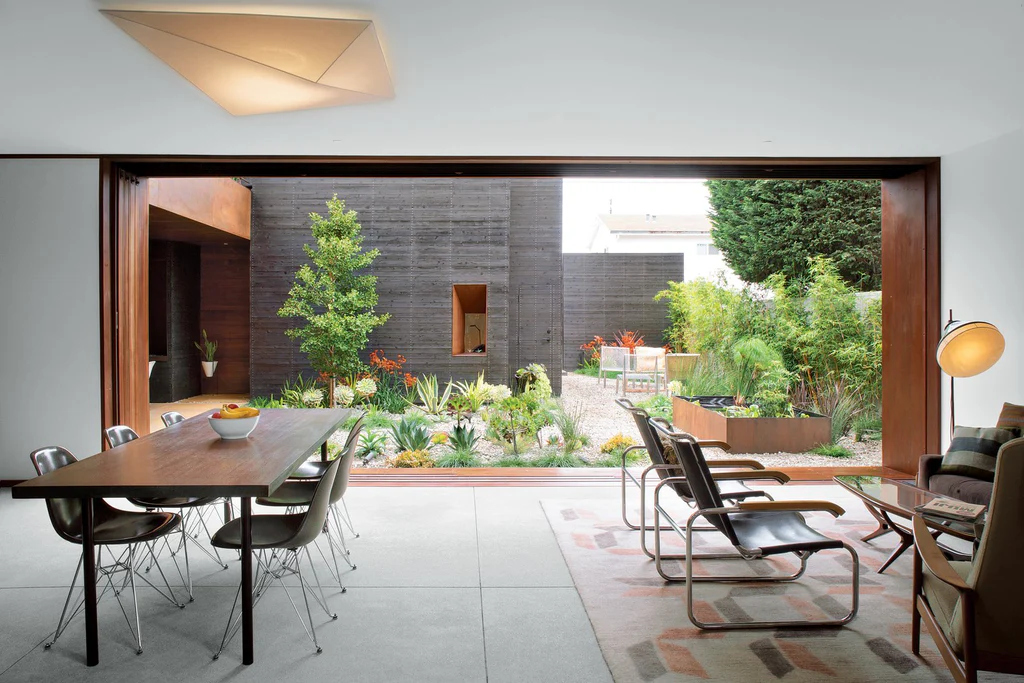
Homes That Heal: Designing Spaces for Mental Well-Being
Creating Calm Through Color and Light
The environment we live in has a profound impact on our mental state, and the colors and lighting in our homes can either nurture or stress our minds. When designing spaces for mental well-being, selecting soothing, natural tones like soft blues, muted greens, and gentle neutrals can create a calming atmosphere. Bright, harsh colors, while energizing, may sometimes trigger anxiety or restlessness, whereas natural light helps regulate mood and circadian rhythms. Incorporating large windows, skylights, and mirrors to reflect sunlight not only makes a space feel open but also positively influences serotonin levels, which are crucial for happiness and emotional balance. Layering artificial lighting, such as warm-toned lamps and dimmable overhead lights, allows homeowners to adjust ambiance according to the time of day or their emotional needs. Thoughtful attention to color and light can transform a home from a mere shelter into a sanctuary that supports mental clarity, relaxation, and emotional resilience.
Nature Integration: Bringing the Outdoors In
Biophilic design—the practice of integrating nature into indoor spaces—is a cornerstone of homes that promote mental well-being. Humans have an innate connection with nature, and bringing elements like indoor plants, water features, or natural materials into living spaces can significantly reduce stress and improve cognitive function. Plants not only purify the air but also provide a sense of purpose and life, which can enhance mood and reduce feelings of depression. Wood, stone, and other organic textures connect us to the natural world, fostering a grounded, serene environment. Even small touches, such as a window with a view of greenery, a vertical garden, or natural scent diffusers, can provide a daily mental boost. By incorporating nature intentionally, homeowners can create spaces that feel vibrant yet restful, offering constant reminders of the calming and restorative power of the outdoors, even when inside four walls.
Mindful Layouts and Decluttering
The layout and organization of a home play a pivotal role in mental well-being. Crowded, cluttered spaces can overwhelm the mind, increase stress levels, and reduce productivity, while open, intentional layouts encourage relaxation and focus. Mindful design emphasizes functional, flexible spaces that allow for both activity and rest. For instance, creating quiet nooks for reading or meditation, keeping workspaces separate from areas meant for leisure, and ensuring smooth flow between rooms can reduce cognitive fatigue. Storage solutions that hide clutter and maintain clean surfaces also contribute to mental clarity by limiting visual distractions. Minimalist approaches that prioritize essential items over excess not only make spaces feel larger and lighter but also encourage intentional living. By consciously designing layouts that prioritize ease, simplicity, and movement, homes become mental sanctuaries, supporting calmness and a sense of control over one’s environment.
Textures, Comfort, and Sensory Design
The tactile and sensory experience of a home directly influences emotional well-being. Soft textiles, plush rugs, and comfortable furniture invite relaxation, while the careful use of textures can make spaces feel more inviting and emotionally supportive. Sensory design goes beyond touch, encompassing sound and smell as well. Incorporating calming sounds, such as water fountains or soft background music, can reduce anxiety and improve concentration, while natural or subtle scents like lavender, citrus, or cedar elevate mood and create a comforting atmosphere. Avoiding harsh materials or overly sterile environments ensures spaces feel nurturing rather than clinical. Lighting textures, like the glow from a paper lantern or the shadows cast by wooden slats, can also stimulate the senses in gentle, pleasant ways. By curating a multi-sensory home environment, individuals can foster deeper relaxation, emotional comfort, and a greater sense of mental equilibrium.
Personalization and Emotional Connection
Finally, homes that heal are deeply personal, reflecting the identities, values, and experiences of their occupants. Personalization transforms a space into a haven by cultivating emotional connections and a sense of belonging. Family photos, meaningful artwork, or heirlooms can evoke positive memories, grounding residents in feelings of love and security. Spaces designed for hobbies or self-expression—like art corners, reading nooks, or music areas—offer outlets for creativity and stress relief. Incorporating personal routines into the physical layout, such as meditation corners or journaling spaces, reinforces mental health practices in everyday life. Additionally, flexible spaces that adapt to changing needs support ongoing emotional growth and resilience. By consciously designing homes that reflect individuality while providing comfort and functionality, we create environments that do more than house us—they actively support our mental well-being, offering healing, balance, and joy in daily living.