
The Rise of Multi-Purpose Spaces in Modern Homes
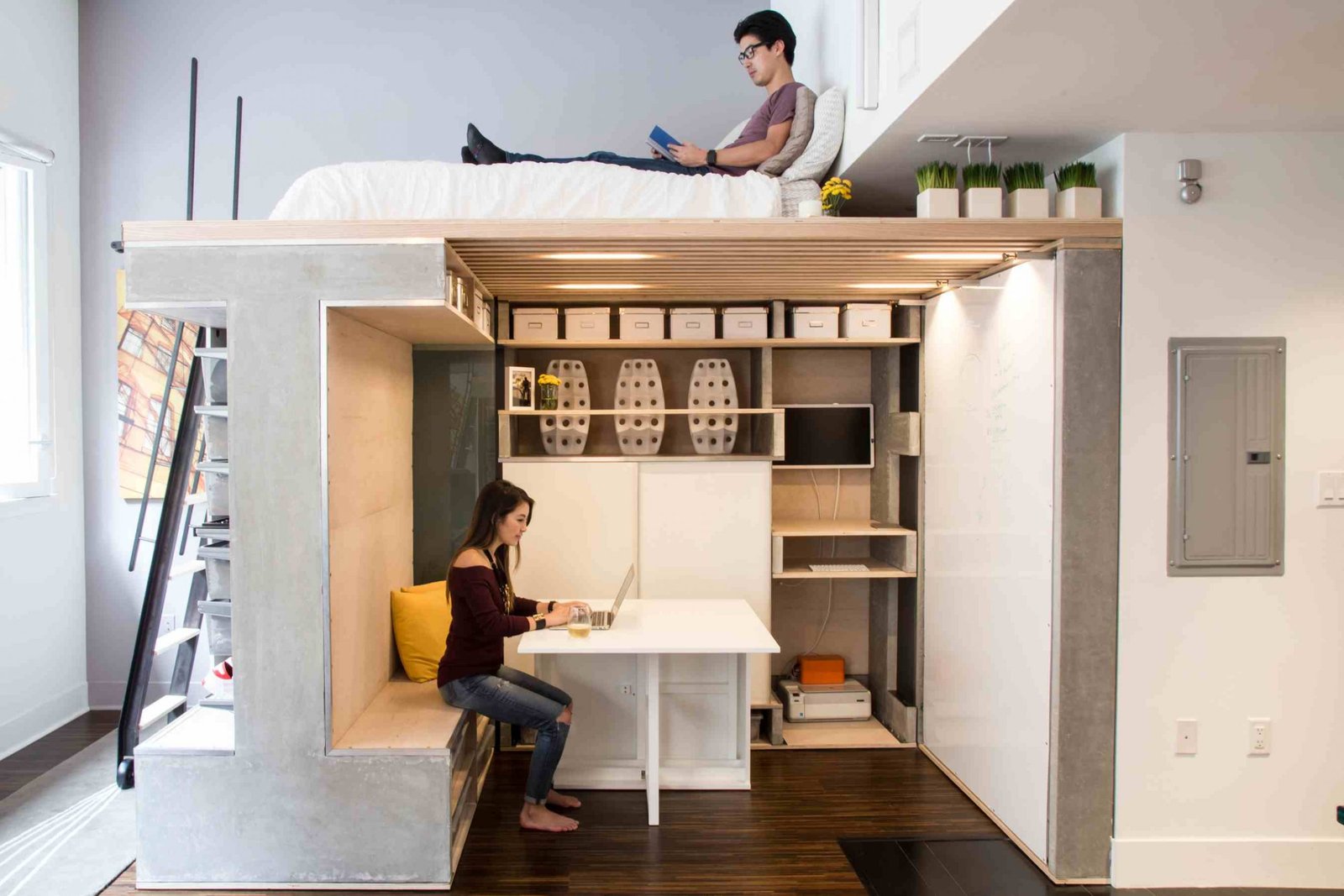
In today’s fast-paced world, homes are no longer just places to eat, sleep, and relax—they have evolved into multifunctional hubs that accommodate work, leisure, and creativity. The rise of multi-purpose spaces in modern homes reflects this shift, driven by changing lifestyles, technological advancements, and the need for flexibility. Homeowners are increasingly seeking areas that can serve multiple functions without compromising style or comfort. For example, a living room may double as a home office or a guest bedroom, while kitchen islands may serve as dining spaces, workstations, or social hubs. This trend is particularly prevalent in urban areas where space is at a premium, making efficiency and adaptability key design priorities. By maximizing every square foot, multi-purpose spaces allow homeowners to meet diverse needs without requiring larger homes, combining functionality with aesthetics in a way that reflects contemporary living trends.
One of the primary drivers behind the rise of multi-purpose spaces is the growing prevalence of remote work. The COVID-19 pandemic accelerated the shift toward work-from-home setups, prompting homeowners to reconsider the traditional use of space. Rooms that were once designated solely for leisure or dining are now often transformed into offices, study areas, or creative studios. Furniture and storage solutions have also adapted to support this flexibility, with modular desks, foldable tables, and hidden storage becoming increasingly popular. The modern home must accommodate technology seamlessly, including high-speed internet, charging stations, and video conferencing setups. Multi-purpose spaces offer a practical solution, enabling residents to transition from work mode to relaxation without leaving the comfort of home. This blending of functions not only optimizes space but also creates environments that support productivity, comfort, and a sense of balance between personal and professional life.
Designing multi-purpose spaces requires creativity and strategic planning. The key is to ensure that different functions coexist without creating a sense of clutter or chaos. Interior designers recommend using zoning techniques, such as rugs, lighting, and furniture placement, to visually separate areas within a single room. Storage solutions play a critical role in maintaining functionality while keeping the space organized. For instance, a sofa bed can double as seating and a sleeping area, while shelves and cabinets can discreetly store office supplies, toys, or craft materials. Colors, textures, and decor choices can also help define specific zones while maintaining a cohesive aesthetic. By thoughtfully integrating these elements, homeowners can enjoy the versatility of multi-purpose spaces without compromising on style or comfort, creating an environment that adapts to changing needs effortlessly.
Another factor fueling the popularity of multi-purpose spaces is the desire for social interaction and family engagement within homes. Modern families often need spaces that accommodate both privacy and togetherness. Multi-functional rooms can serve as entertainment areas, home gyms, or hobby spaces, allowing family members to pursue individual interests while still sharing common areas. Open-plan layouts, combined with flexible furniture, encourage interaction and create a sense of openness. For example, a dining area may double as a craft station for children or a game night space for adults. By blending functionality and social connectivity, multi-purpose spaces enhance the overall quality of life at home. They not only make the most of available square footage but also support diverse activities, fostering creativity, collaboration, and family bonding in ways that traditional single-purpose rooms cannot.
The rise of multi-purpose spaces also aligns with broader trends in sustainability and minimalism. As homeowners prioritize reducing clutter and consumption, adaptable spaces offer an efficient alternative to maintaining multiple single-use rooms. Investing in versatile furniture and modular designs reduces the need for excess furnishings and encourages thoughtful, intentional living. Additionally, multi-purpose spaces can improve energy efficiency by consolidating heating, cooling, and lighting needs into fewer areas without sacrificing comfort. This approach not only benefits the environment but also contributes to cost savings and simplified home maintenance. By combining flexibility, practicality, and sustainability, modern homes with multi-purpose spaces reflect a lifestyle that values efficiency, functionality, and adaptability, proving that small spaces can deliver big benefits when designed intelligently.
In conclusion, the rise of multi-purpose spaces in modern homes represents a response to evolving lifestyles, technological advances, and the desire for efficiency and versatility. These spaces allow homeowners to maximize the functionality of every square foot, accommodating work, leisure, social interaction, and creativity under one roof. Through thoughtful design, strategic zoning, and adaptable furniture solutions, multi-purpose rooms can meet diverse needs without sacrificing style or comfort. As remote work, urban living, and sustainability continue to influence home design, multi-purpose spaces are likely to become even more integral to modern living. By embracing this trend, homeowners can create spaces that are not only practical and flexible but also inspiring, fostering a home environment that truly supports the dynamic demands of contemporary life.