
Why Gardening Is Becoming a Lifestyle, Not a Hobby
The Shift from Hobby to Lifestyle
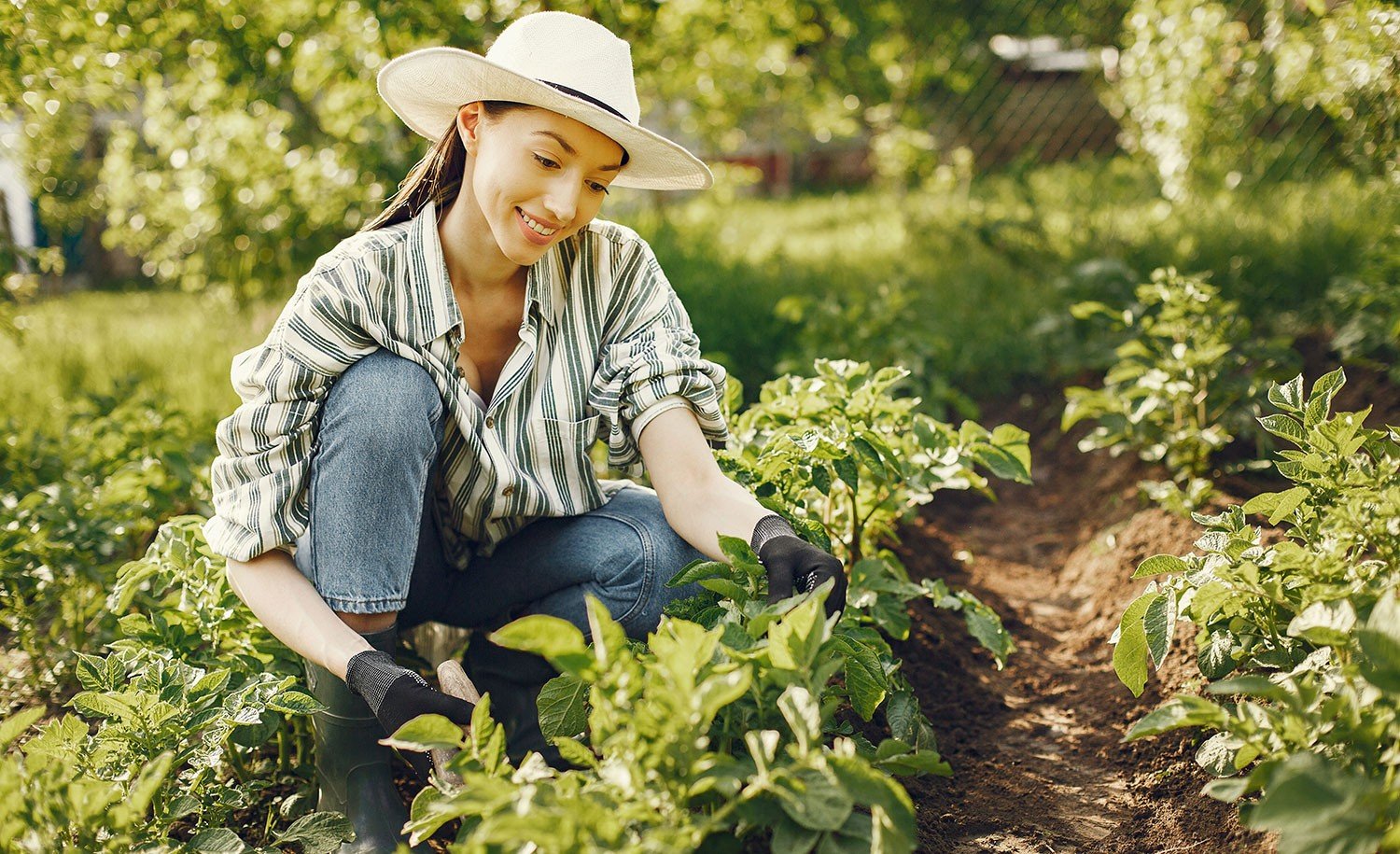
Gardening has long been viewed as a simple pastime, something people did to fill their weekends or add a touch of greenery to their homes. However, in recent years, it has evolved into more than just a casual activity. Today, gardening is increasingly seen as a lifestyle choice—a conscious decision to live in harmony with nature, prioritize mental well-being, and embrace sustainable living practices. Unlike traditional hobbies that may be temporary or occasional, gardening demands consistent attention, planning, and care. People are no longer just planting flowers for aesthetic pleasure; they are growing their own food, creating pollinator-friendly spaces, and designing gardens that align with ecological principles. This shift reflects a deeper cultural movement toward mindfulness and holistic living, where everyday actions are intentionally chosen to support health, community, and the environment.
Beyond the personal benefits, gardening as a lifestyle also emphasizes adaptability and learning. It encourages people to understand seasonal cycles, soil composition, and plant behaviors, fostering a continuous curiosity that extends well beyond casual interest. In embracing gardening fully, individuals cultivate patience, resilience, and a sense of responsibility—traits that extend into other aspects of life. The act of nurturing plants becomes a metaphor for nurturing oneself, encouraging slow, intentional living in a fast-paced world. More than a hobby, gardening has become a practice that integrates daily routines, family traditions, and even social connections, reflecting an ongoing transformation in how people relate to nature and themselves.
Mental and Physical Wellness Through Gardening
One of the most compelling reasons gardening is becoming a lifestyle is its profound impact on mental and physical health. Engaging with plants provides a natural form of therapy, reducing stress, anxiety, and even symptoms of depression. The repetitive, mindful tasks involved—such as weeding, pruning, or watering—promote focus and create a meditative effect, allowing gardeners to disconnect from digital distractions and reconnect with the natural rhythm of life. Scientific studies increasingly support these benefits, showing that spending time in green spaces can lower cortisol levels, improve mood, and even enhance cognitive function. For many, gardening is not just an activity but a deliberate strategy to maintain mental clarity, emotional balance, and overall wellness.
Physical health is another major draw. Gardening is a low-impact, full-body workout that strengthens muscles, improves flexibility, and encourages movement throughout the day. Digging, planting, and harvesting engage both large and fine motor skills, offering exercise in a context that feels purposeful rather than obligatory. Combined with the mental health benefits, this makes gardening a uniquely holistic lifestyle practice. People are beginning to see that investing time in their gardens is also an investment in themselves. With its dual focus on body and mind, gardening moves far beyond the realm of leisure, becoming a sustainable, daily commitment to health that aligns seamlessly with modern lifestyle trends emphasizing wellness, mindfulness, and intentional living.
Sustainability and the Eco-Conscious Lifestyle
Another significant reason gardening is moving from hobby to lifestyle is the growing awareness of sustainability and environmental responsibility. Modern gardeners are increasingly conscious of their ecological footprint, choosing practices that conserve water, enrich soil, and support biodiversity. From composting kitchen scraps to growing organic fruits and vegetables, these lifestyle gardeners prioritize long-term environmental impact over quick, decorative fixes. Gardening in this way fosters a direct connection with the food chain, local ecosystems, and climate action, encouraging behaviors that extend beyond the garden itself. People are no longer content with store-bought solutions; they want to cultivate self-sufficiency while contributing positively to the planet.
This eco-conscious approach also influences community engagement. Lifestyle gardeners often participate in local gardening clubs, community farms, or urban green initiatives, creating networks of shared knowledge and collective action. These efforts not only benefit the environment but strengthen social bonds and foster a sense of purpose. By embedding sustainable practices into daily routines, gardening becomes a statement of values—a visible, tangible way to live in alignment with one’s beliefs about nature, health, and responsibility. What was once a simple hobby has grown into a meaningful lifestyle choice, merging personal fulfillment with ecological stewardship.
Social Connection and Community
Gardening as a lifestyle also thrives on its capacity to build community and social connection. While hobbies are often solitary, lifestyle gardening frequently involves sharing knowledge, resources, and experiences with others. Community gardens, plant swaps, and local workshops create spaces where people exchange ideas, seeds, and techniques while forging meaningful relationships. These interactions go beyond casual networking, offering a sense of belonging, shared purpose, and intergenerational learning. People are discovering that gardening is not just about plants but about cultivating connections with others who share similar values.
Social media and online platforms have also amplified this trend, allowing gardeners to showcase their spaces, exchange tips, and inspire collective action worldwide. This digital connection complements the physical community, making gardening both locally grounded and globally connected. By embedding gardening into lifestyle practices, individuals find themselves contributing to a larger movement focused on wellness, sustainability, and creativity. Ultimately, gardening transforms from a mere pastime into a rich, multidimensional lifestyle that nurtures mind, body, and community, proving that the plants we cultivate are reflections of the lives we aspire to lead.