
Smart Homes vs Simple Living: Finding the Right Balance
The Rise of Smart Homes
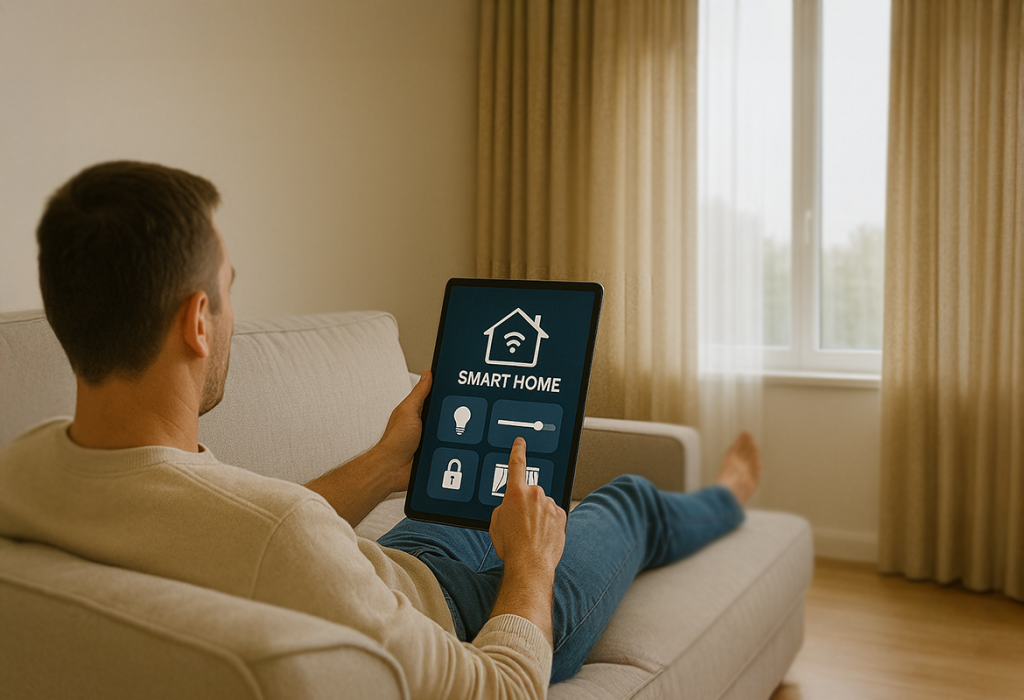
In recent years, smart homes have shifted from being a futuristic concept to a tangible reality for many households. These technologically advanced homes utilize connected devices, automated systems, and AI-driven solutions to improve convenience, efficiency, and security. From smart thermostats that optimize energy usage to voice-activated assistants managing daily tasks, the benefits of smart living are numerous. Homeowners can monitor everything from lighting and security cameras to appliances remotely, creating a seamless and controlled environment. This technological integration not only saves time but also enhances safety and energy efficiency. However, as appealing as this level of control may be, it comes with potential challenges, including higher costs, increased dependency on technology, and potential privacy concerns. While smart homes offer a futuristic and convenient lifestyle, it’s essential to recognize that the constant reliance on technology can sometimes overshadow the simplicity and tranquility that a home should provide.
Embracing Simple Living
On the opposite end of the spectrum, simple living emphasizes minimalism, intentionality, and a focus on what truly matters. This lifestyle prioritizes experiences, relationships, and mindful consumption over material possessions or complex systems. Simple living encourages decluttering, reducing digital distractions, and reconnecting with the natural rhythm of life. Homeowners may choose open layouts, natural lighting, and multifunctional furniture to create a space that promotes calmness and clarity. Unlike smart homes, which often prioritize efficiency and automation, simple living values slowing down, being present, and appreciating the essentials. This approach can reduce stress, lower expenses, and improve overall well-being. However, simple living is not about completely rejecting technology—it’s about using it intentionally rather than letting it dominate daily life. Striking this balance requires careful thought and reflection on personal values and lifestyle goals, ensuring that the home supports life rather than complicates it.
The Benefits and Drawbacks of Each Approach
Both smart homes and simple living offer distinct advantages, but they also come with trade-offs. Smart homes provide convenience, energy efficiency, and advanced security features, appealing to those who value technology and modern living. Yet, the reliance on multiple devices, potential technical failures, and high installation costs can be significant drawbacks. Conversely, simple living fosters mental clarity, sustainability, and stronger human connections, offering a peaceful and intentional lifestyle. However, it may lack the convenience, speed, and integration that technology can bring to daily life. Evaluating personal priorities is crucial in deciding which approach suits a household best. Some individuals may value convenience and automation, while others may prioritize mental wellness and minimalism. Understanding the inherent trade-offs helps homeowners make informed decisions rather than adopting trends based solely on external pressures or societal expectations.
Finding the Right Balance
The ideal solution may not lie in choosing one extreme over the other but in integrating aspects of both smart technology and simplicity. For instance, a home can incorporate essential smart devices, such as energy-efficient lighting or security systems, while still maintaining clutter-free spaces and mindful living practices. Homeowners can automate repetitive tasks without allowing technology to dominate their lives, creating a harmonious blend of efficiency and intentionality. Setting boundaries, such as limiting screen time or prioritizing offline activities, ensures that the benefits of smart devices do not compromise the tranquility of simple living. The goal is to create a home environment that serves personal well-being, fosters meaningful connections, and enhances daily routines without unnecessary complexity. Achieving this balance requires thoughtful planning, experimentation, and flexibility, as every household’s needs and preferences differ.
Conclusion
Ultimately, the debate between smart homes and simple living is not about which is objectively superior but about aligning lifestyle choices with personal values. While smart homes provide convenience and efficiency, simple living emphasizes peace, intentionality, and fulfillment. By thoughtfully combining the best elements of both approaches, homeowners can enjoy modern comforts without sacrificing simplicity or mindfulness. Striking this balance allows for a home environment that supports both technological convenience and emotional well-being. As society continues to evolve, the most successful homes will likely be those that embrace innovation without losing sight of what makes a house truly a home: comfort, connection, and clarity. In the end, finding the right balance between smart living and simplicity is a personal journey, one that encourages reflection, adaptability, and conscious decision-making.