

Naturepedic vs Conventional Mattresses: What You’re Really Sleeping On Every Night
When was the last time you actually thought about what your mattress is made of? Most of us don’t. We just lie down, get comfortable, and assume everything is fine. But the truth is, what you sleep on every night can quietly affect your health, comfort, and even long-term well-being.
In this blog, we’re breaking down the real difference between Naturepedic and conventional mattresses in a simple, no-nonsense way. No technical jargon—just honest insights to help you make a better choice for your sleep.
What You’re Sleeping On Actually Matters
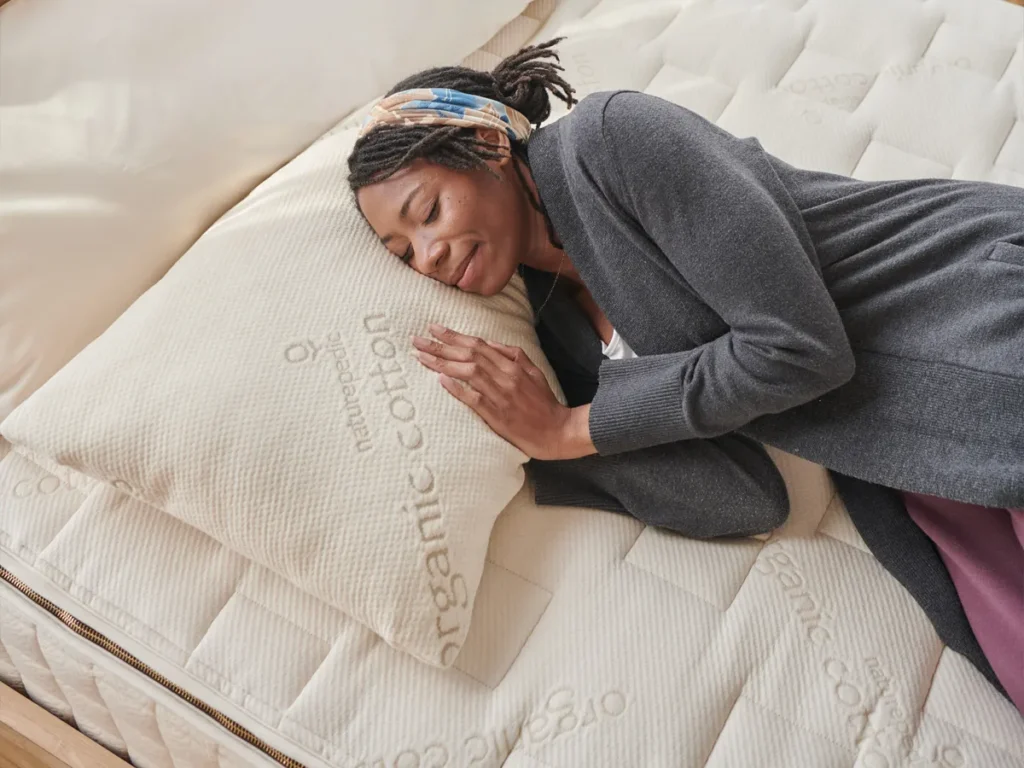
A mattress isn’t just a soft surface—it’s something you spend nearly a third of your life on. That means the materials inside it matter more than most people realize.
From foam layers to chemical treatments, everything inside your mattress can impact air quality, comfort, and even skin sensitivity. So yes, it’s worth paying attention to what’s inside.
The Reality of Conventional Mattresses

Most conventional mattresses are made using synthetic materials, chemical adhesives, and flame retardants. These help with durability and cost—but they also come with concerns.
- Polyurethane foam (petroleum-based)
- Chemical flame retardants
- Synthetic fabrics and dyes
- Strong off-gassing odor when new
While they’re widely available and often cheaper, some people worry about long-term exposure to these materials.
What Makes Naturepedic Different?
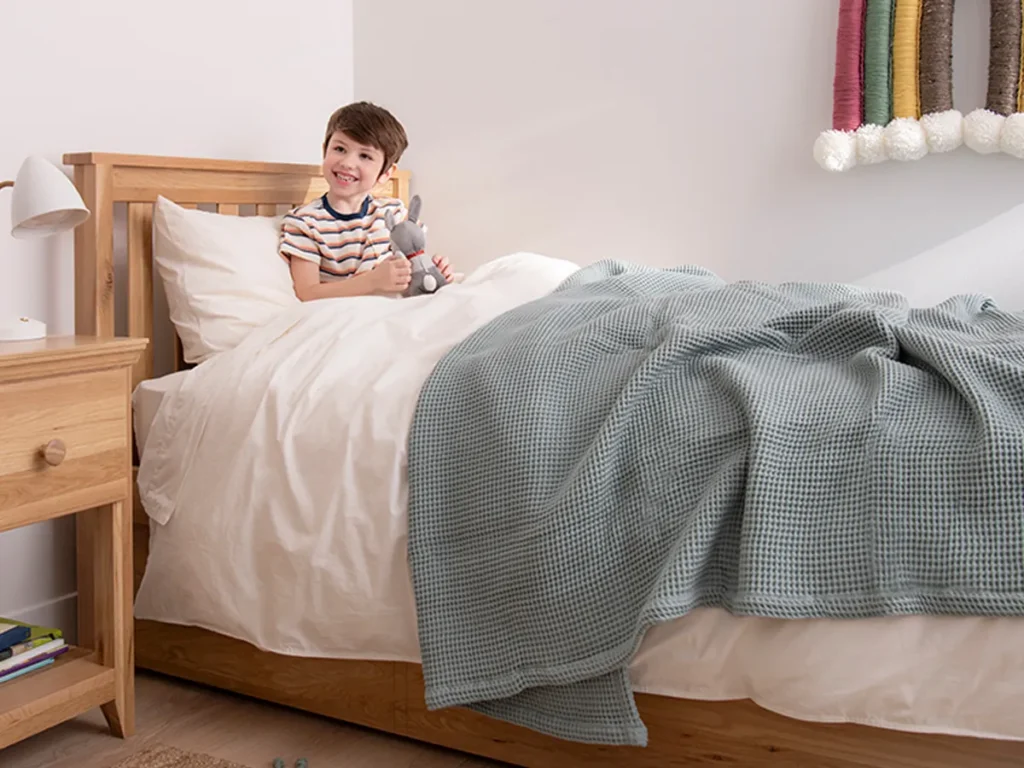
Naturepedic takes a very different approach. Instead of relying on synthetic materials, they focus on organic, non-toxic, and certified-safe components.
Their mattresses are typically made with:
- Organic cotton fabric and filling
- Non-toxic, food-grade waterproofing (in kids’ models)
- No flame retardant chemicals
- GOTS and GOLS certified materials
It’s designed for people who want a cleaner, more natural sleep environment.
Naturepedic vs Conventional: Side-by-Side Look
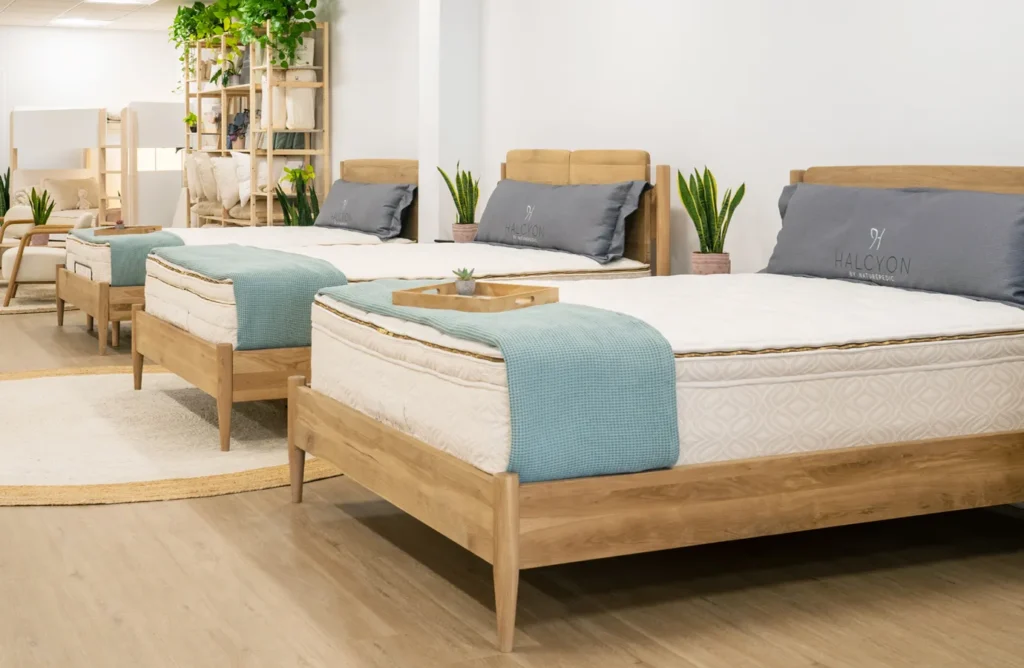
When you compare them directly, the differences become easier to understand.
Conventional Mattresses:
- Lower upfront cost
- Wider availability
- Often contain synthetic materials
- May release chemical odors
Naturepedic Mattresses:
- Higher price point
- Organic and certified materials
- Low to zero chemical exposure
- Focus on long-term health and sustainability
It really comes down to what you value more—budget or cleaner sleep.
Health & Comfort: What Should You Expect?

Many people switch to organic mattresses because of sensitivities like allergies, asthma, or skin irritation. A cleaner mattress can reduce exposure to irritants.
On the comfort side, both types can feel good—but organic options often use natural latex and cotton, which provide a more breathable sleep experience compared to synthetic foam.
Durability and Long-Term Value
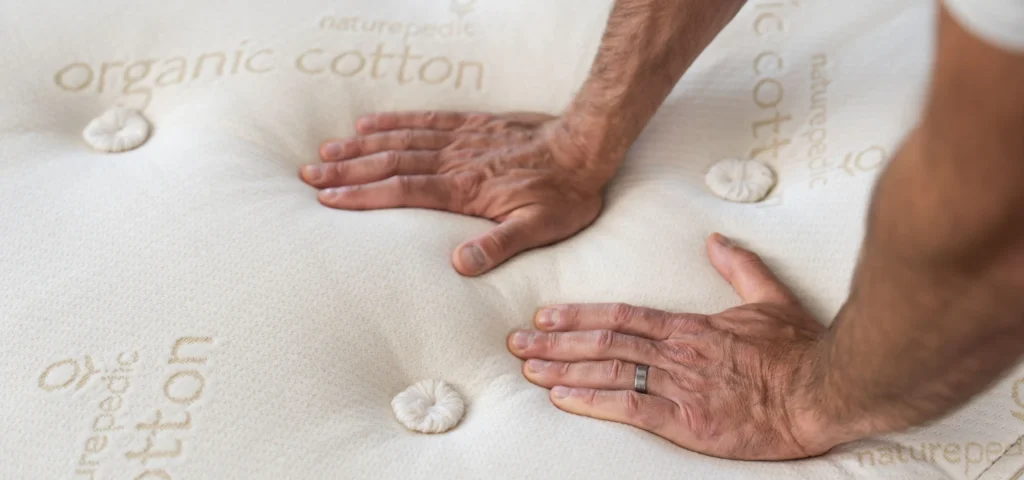
Conventional mattresses may feel great at first, but they can sag or lose support faster depending on quality.
Organic mattresses like Naturepedic are often built with durability in mind, using high-quality natural materials that maintain structure for years. While the upfront cost is higher, many users see it as a long-term investment.
Eco Impact: A Bigger Picture
If sustainability matters to you, this is where the gap really shows.
Conventional mattresses are harder to recycle and often end up in landfills. In contrast, Naturepedic focuses on renewable, biodegradable materials and environmentally responsible production methods.
Final Thoughts
At the end of the day, choosing between Naturepedic and a conventional mattress isn’t just about comfort—it’s about what kind of sleep environment you want to create for yourself.
If you prefer affordability and easy availability, conventional mattresses might work for you. But if clean materials, sustainability, and long-term wellness matter more, Naturepedic offers a very different experience worth considering.