
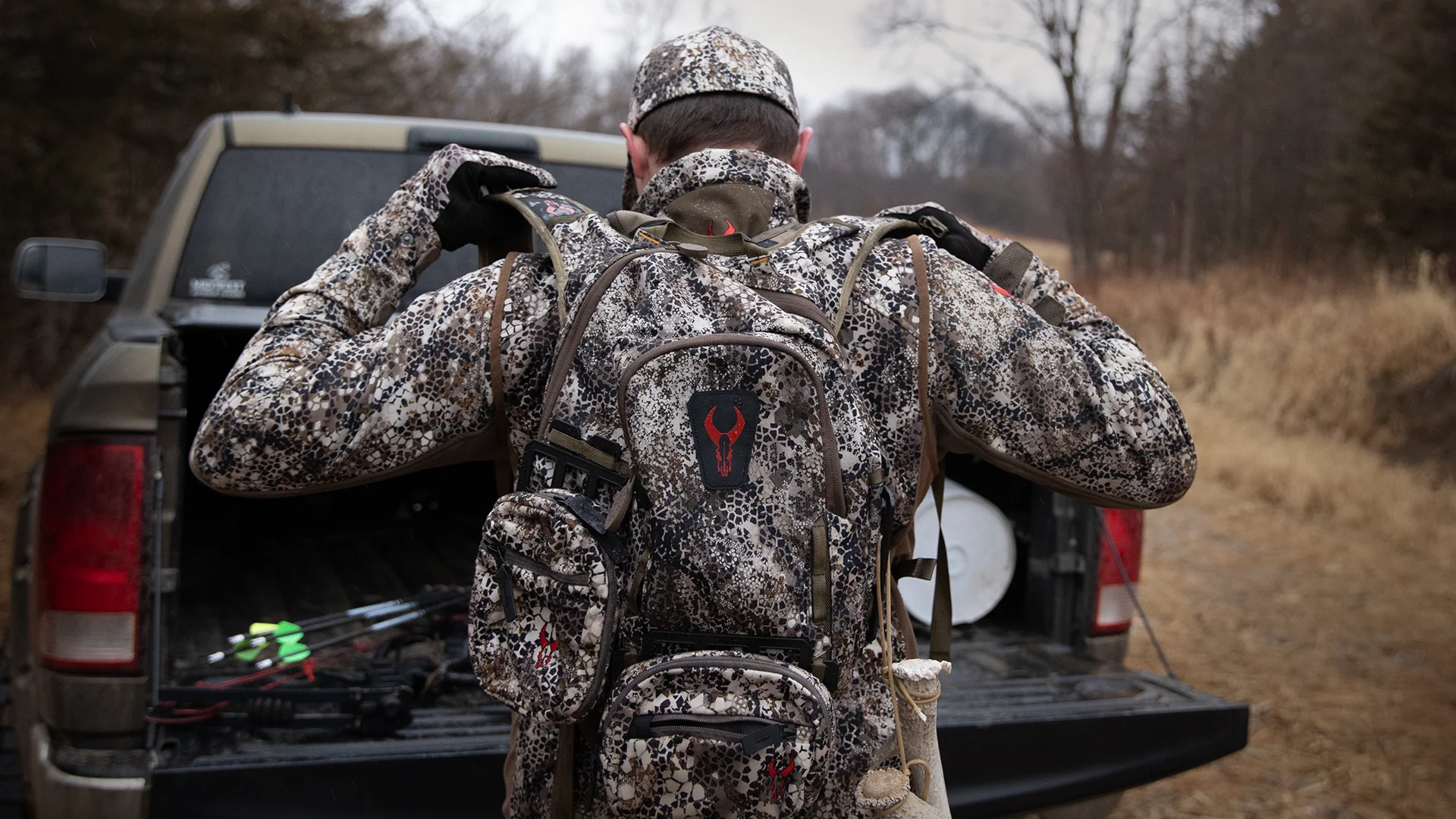
Best Hiking Gear for Exploring Badlands: A Complete Packing Guide
Introduction
The Badlands are beautiful, rugged, and a little unpredictable. If you’re planning a hike there, the right gear can make the difference between a great adventure and a tough, uncomfortable day. This guide breaks down everything you need in simple terms so you can pack smart and enjoy the journey.
What Makes the Badlands Different?
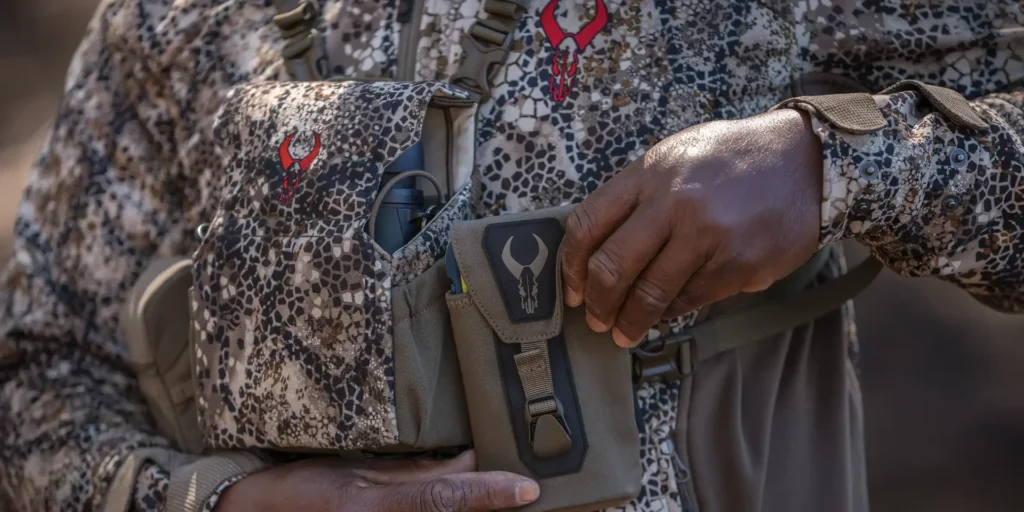
Before you pack, it helps to understand the environment. The Badlands are known for extreme weather shifts, open landscapes, and very little shade. One moment it’s sunny and calm, the next it can be windy or hot enough to drain your energy quickly.
Because of this, your gear needs to be lightweight, protective, and adaptable. You’re not just hiking—you’re preparing for changing conditions throughout the day.
Clothing: Dress in Smart Layers
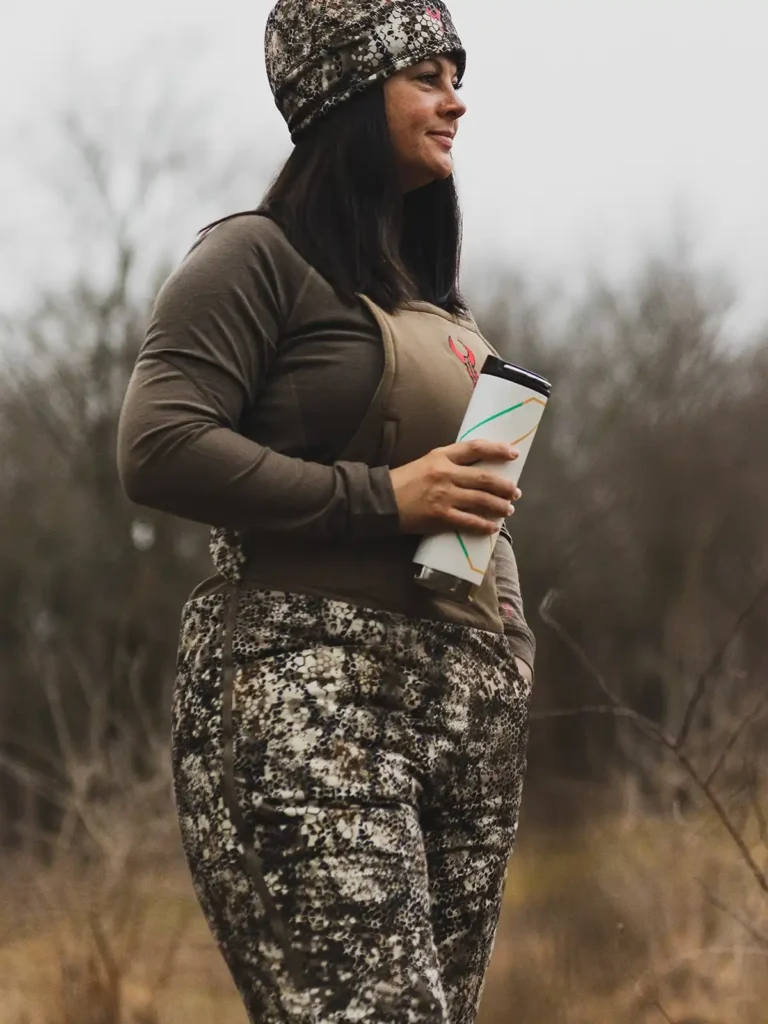
Layering is your best friend in the Badlands. The weather can change fast, so you want clothing that adjusts with you.
A simple layering system works best:
- Moisture-wicking base layer (keeps sweat away)
- Lightweight insulating layer (for cooler moments)
- Windproof and breathable outer layer
Stick to light, neutral colors to stay cool under the sun.
Also, avoid cotton—it holds moisture and can make you uncomfortable during long hikes. Quick-dry fabrics are the way to go.
Footwear: Don’t Compromise on Comfort
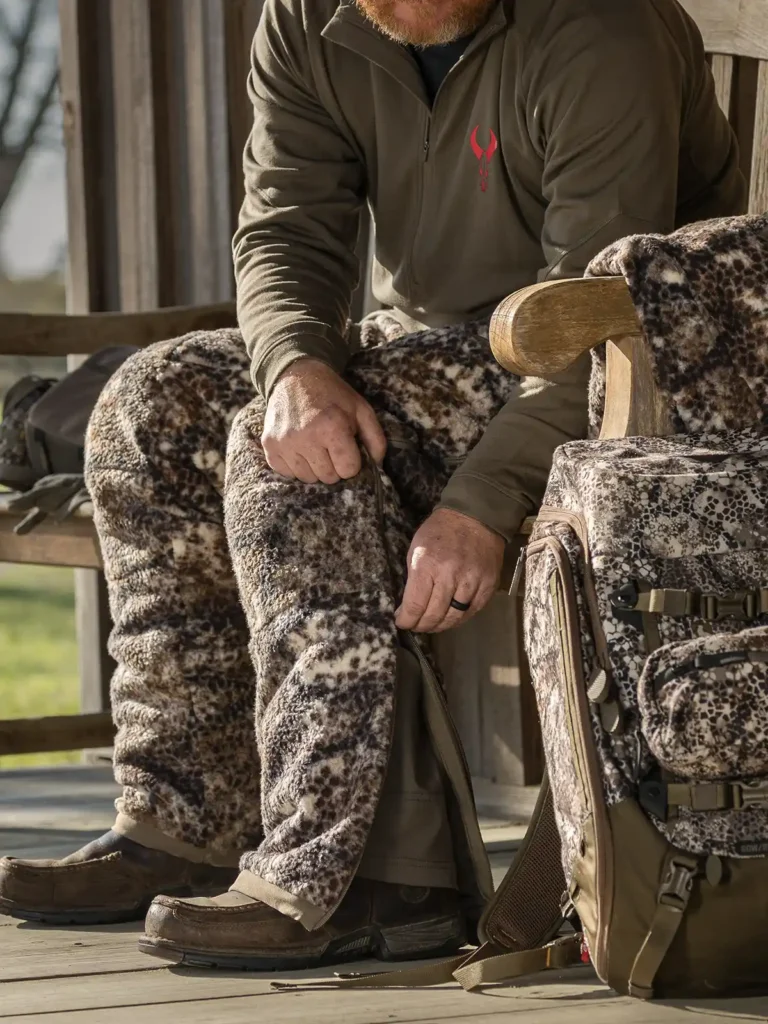
Your shoes can make or break your hike. The terrain is rocky, uneven, and sometimes sharp, so proper hiking boots or trail shoes are essential.
Look for:
- Strong grip soles for rocky paths
- Ankle support for stability
- Breathable yet durable material
Break them in before your trip to avoid blisters on the trail.
Comfortable socks matter just as much—moisture-wicking hiking socks will save your feet from a lot of pain.
Backpack Essentials You Shouldn’t Forget
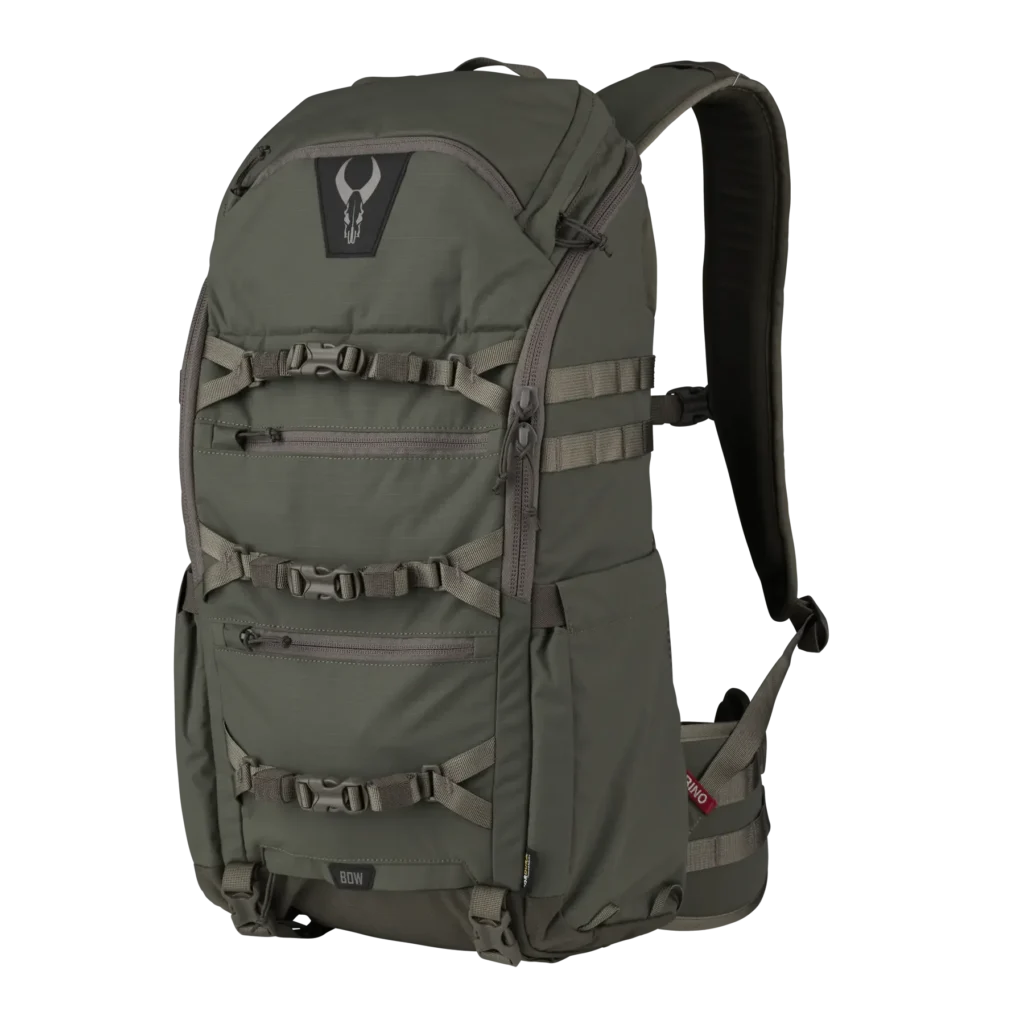
A good backpack keeps your essentials organized and accessible. Go for a 20–30L pack for day hikes.
Must-have items include:
- Extra layer of clothing
- Snacks and energy bars
- Sunscreen and lip balm
- Small towel or bandana
Keep it lightweight so you don’t tire yourself out early.
Pack smart, not heavy—every extra item adds weight on those long trails.
Navigation and Safety Gear
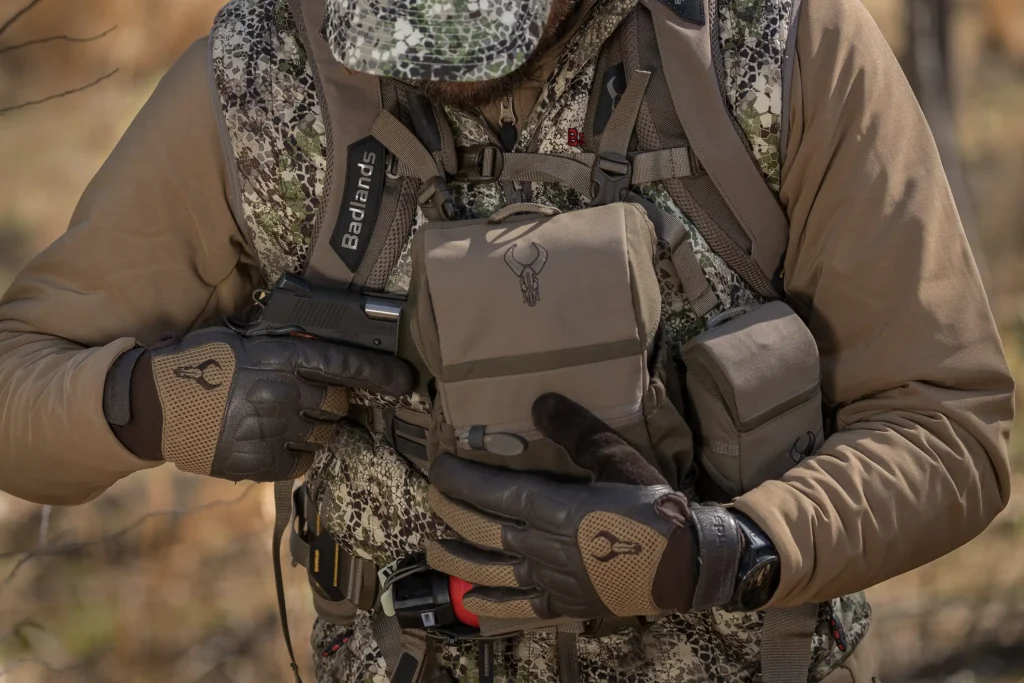
Even well-marked trails can feel confusing in the wide-open Badlands. Having navigation tools is a must.
Bring:
- A physical map of the area
- GPS device or offline map app
- Fully charged power bank
It’s easy to lose signal out there, so don’t rely only on your phone.
A small whistle or emergency signal device can also be a lifesaver in unexpected situations.
Hydration and Nutrition
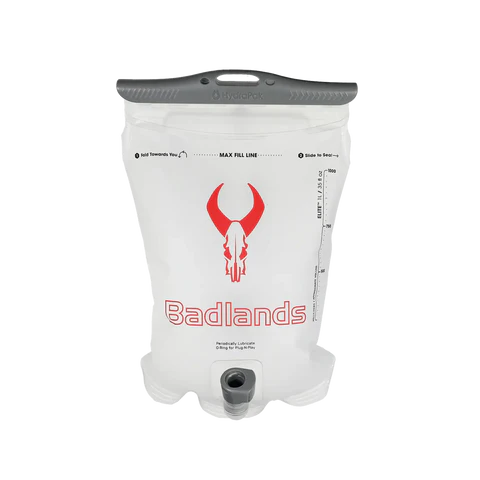
The dry climate means you’ll need more water than you think. Hydration is not optional here—it’s essential.
Carry:
- At least 2–3 liters of water
- Electrolyte packets
- Refillable water bottles or hydration bladder
Sip regularly instead of waiting until you feel thirsty.
For energy, pack simple snacks like trail mix, protein bars, or dried fruit. They’re lightweight and easy to eat on the move.
Sun Protection and First Aid
The sun in the Badlands can be intense with very little shade around. Protecting yourself is just as important as exploring.
Don’t forget:
- Wide-brim hat or cap
- Sunglasses with UV protection
- High SPF sunscreen
These small items make a big difference during long hikes.
A basic first aid kit is also important. Include band-aids, antiseptic wipes, pain relievers, and blister treatment.
Final Thoughts
Hiking the Badlands is an unforgettable experience if you’re well-prepared. The key is keeping your gear practical, lightweight, and suited for changing conditions. With the right packing approach, you can focus less on discomfort and more on the incredible views around you.