
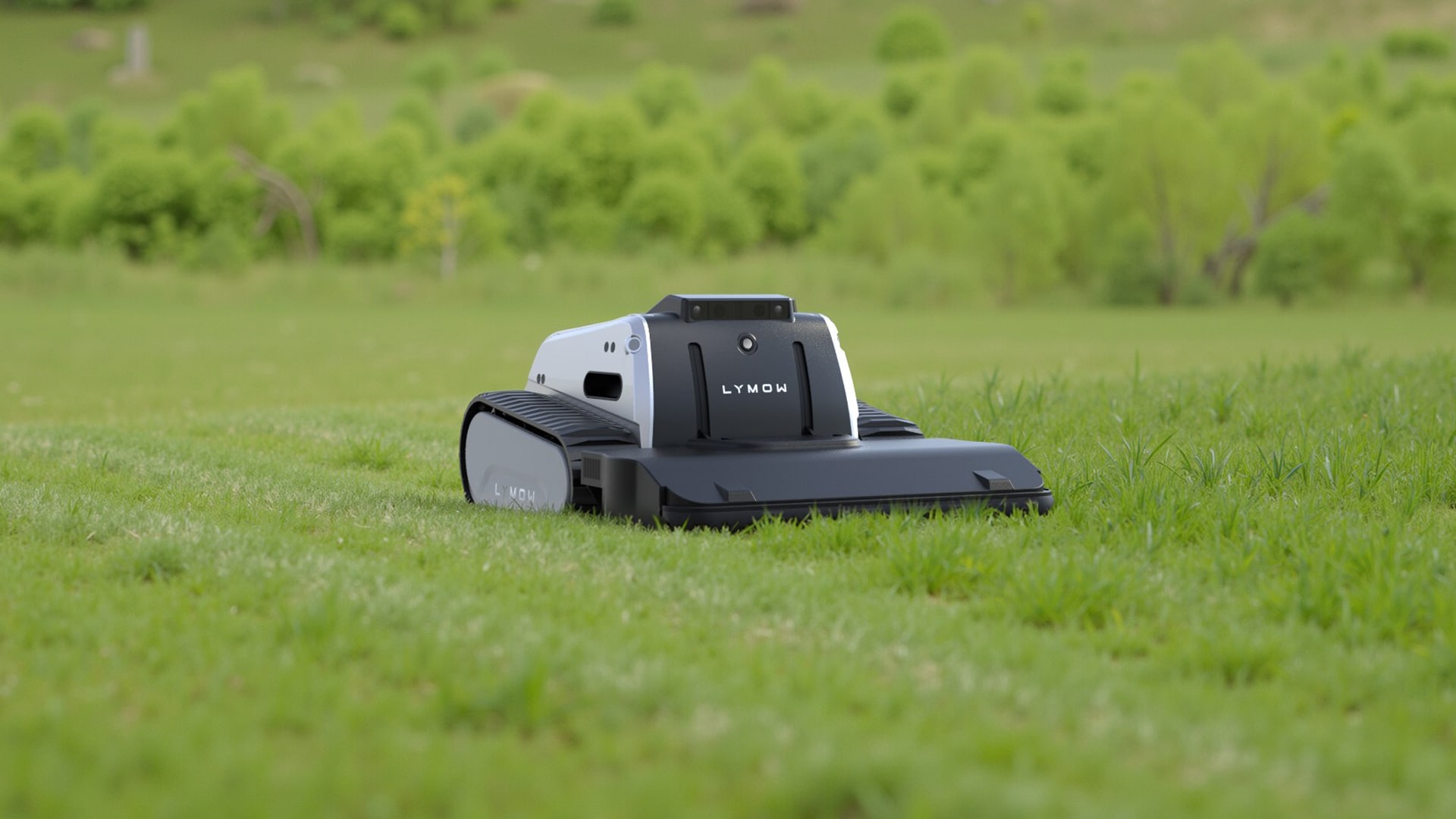
Lymow Dual-Blade Mulching vs. Traditional Robotic Mower Cutting Systems
Robotic mowers have changed the way people look after their lawns. Instead of spending every weekend pushing a mower around the yard, you can let a smart machine handle much of the routine cutting for you. But not every robotic mower uses the same cutting system.
One feature that makes the Lymow approach interesting is its dual-blade mulching design. Compared with a more traditional robotic mower cutting setup, having two blades working together can change how grass is cut, processed, and returned to the lawn.
How Traditional Robotic Mower Cutting Systems Work
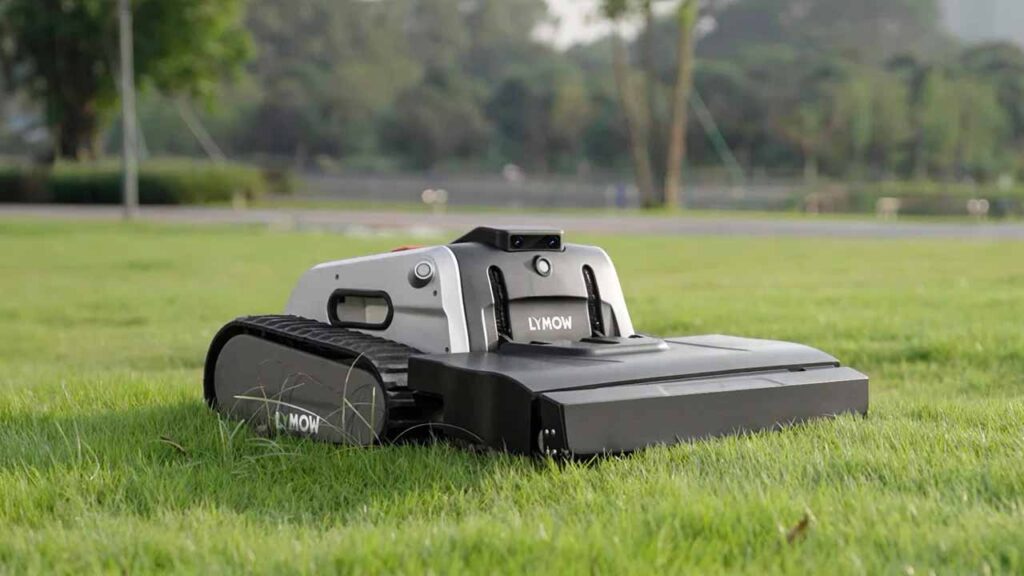
Many traditional robotic mowers use a compact cutting deck with several small blades or cutting discs. These systems are generally designed for frequent mowing, trimming a little grass at a time as the mower moves around the yard.
This approach works well when the lawn is maintained regularly. The mower can make repeated passes, keeping grass relatively short without requiring a large cutting session all at once.
However, cutting performance can vary depending on grass type, lawn conditions, blade design, and how efficiently clippings are handled. That’s where a different cutting approach can become worth considering.
What Makes Lymow’s Dual-Blade System Different?
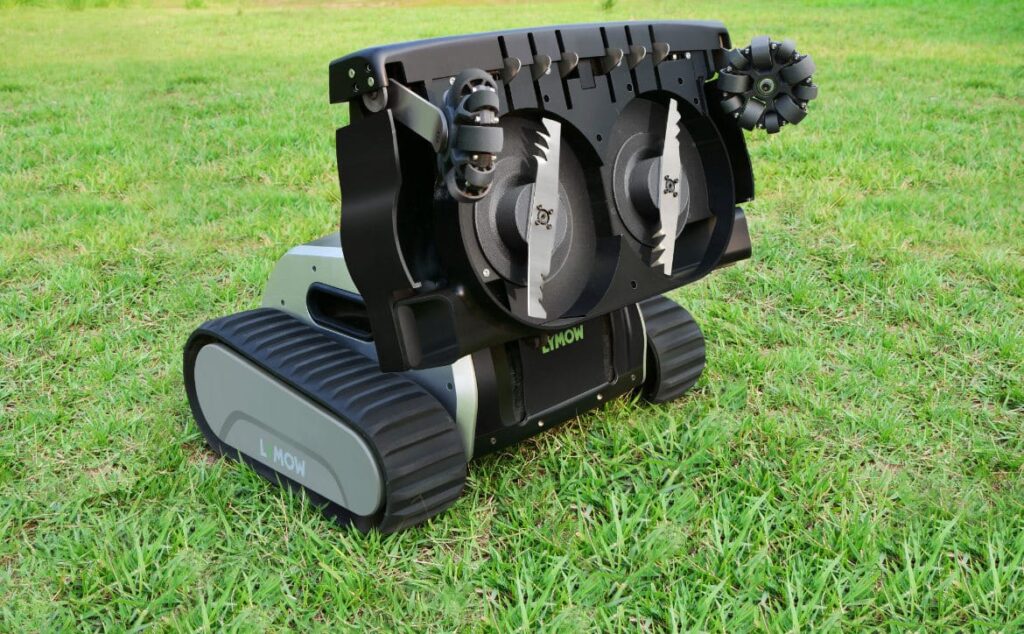
The idea behind a dual-blade cutting system is fairly straightforward: instead of relying on a single cutting arrangement, two blades work as part of the mowing process. The design is intended to provide a more effective cutting and mulching experience across the lawn.
For homeowners, the real question isn’t simply whether two blades sound better than one. What matters is how the cutting system performs in everyday conditions, especially when dealing with different grass types, varying growth, and regular lawn maintenance.
Dual-Blade Mulching vs. Traditional Cutting
There are a few areas where the two approaches can be compared. The biggest differences usually come down to cutting action, handling of grass clippings, lawn appearance, and maintenance.
1. Cutting Performance
A robotic mower needs to do more than simply move across the lawn. Its cutting system has to deal with grass efficiently while maintaining a consistent mowing height.
Lymow’s dual-blade concept is designed around a more capable cutting and mulching setup. Traditional robotic mowers, meanwhile, often focus on frequent light cutting, which works particularly well for lawns that are already kept under control.
2. Mulching Capability
Mulching is one of the biggest reasons to pay attention to the cutting system. Instead of collecting grass clippings, a mulching mower cuts them into smaller pieces that can remain on the lawn.
A well-designed mulching system can make the clippings less noticeable while allowing them to return to the lawn. This can be especially useful for people who prefer not to empty a grass collection bag or deal with piles of cut grass.
3. Lawn Appearance
Nobody wants a lawn that looks freshly attacked by a mower. A consistent cut is important if you want the grass to look neat from one end of the yard to the other.
Traditional robotic mowers can produce a tidy finish when used regularly and under suitable conditions. A dual-blade system takes a different approach, with the cutting and mulching process designed to handle grass more effectively as the mower moves through the lawn.
Where a Traditional Robotic Mower Still Makes Sense
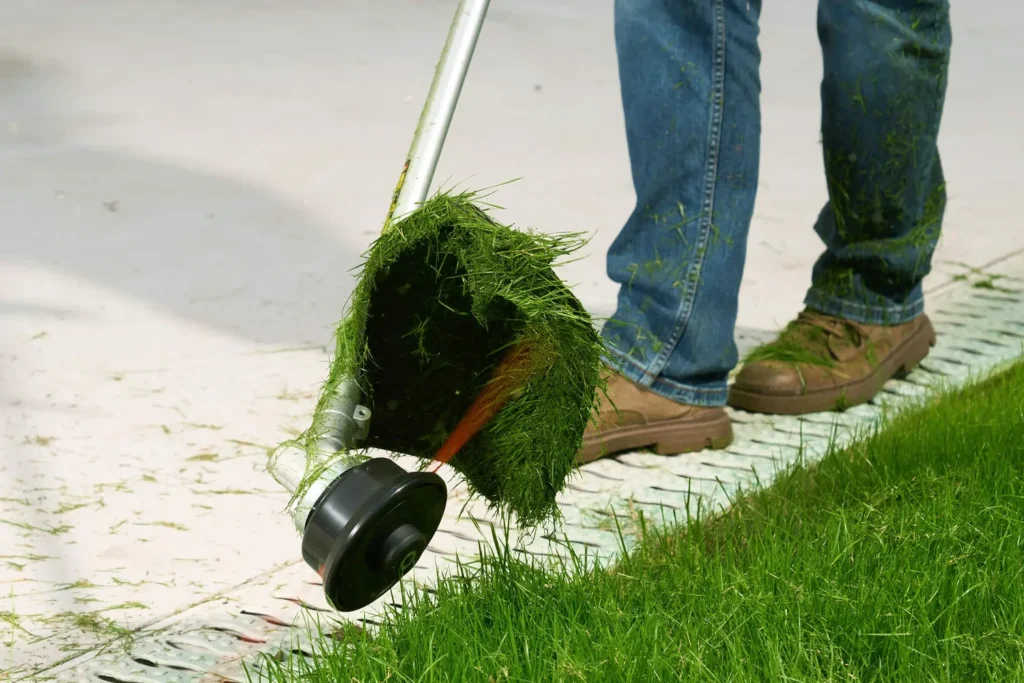
It’s easy to assume that a newer cutting design automatically makes traditional systems outdated, but that’s not necessarily the case.
Traditional robotic mowers can be a practical choice for smaller, well-maintained lawns where the machine is used frequently. If the grass rarely gets long and the terrain is relatively straightforward, a conventional cutting system may do exactly what the homeowner needs.
They can also be attractive to shoppers who want a simpler robotic mowing solution without needing a more specialized cutting setup.
Why Mulching Matters for Regular Lawn Care
One advantage of mulching is convenience. Instead of stopping to collect grass, the mower can process the clippings and leave them on the lawn.
For people who prefer a low-maintenance lawn routine, that can make a noticeable difference over time. There is less handling of clippings, fewer bags to deal with, and no need to constantly move grass waste around the property.
The key, however, is using the mower appropriately. Extremely long or wet grass can be more challenging for any cutting system, so regular mowing and proper lawn conditions still matter.
Dual-Blade vs. Traditional: Which Is Better?
There isn’t one answer for every lawn. The right option depends on the size and condition of your yard, the type of grass you have, and how often you expect the mower to run.
A quick comparison can help:
- Cutting approach: Lymow uses a dual-blade design, while traditional robotic mowers commonly use smaller cutting blades or discs.
- Mulching: Lymow places more emphasis on its mulching-oriented cutting design.
- Routine mowing: Both approaches can work well when the mower is used consistently.
- Grass conditions: Performance can depend heavily on grass height, moisture, density, and lawn conditions.
- Convenience: Both systems are designed to reduce the amount of hands-on mowing required.
- Lawn maintenance: Regular mowing and keeping blades in good condition remain important regardless of the system.
Things to Consider Before Choosing a Robotic Mower
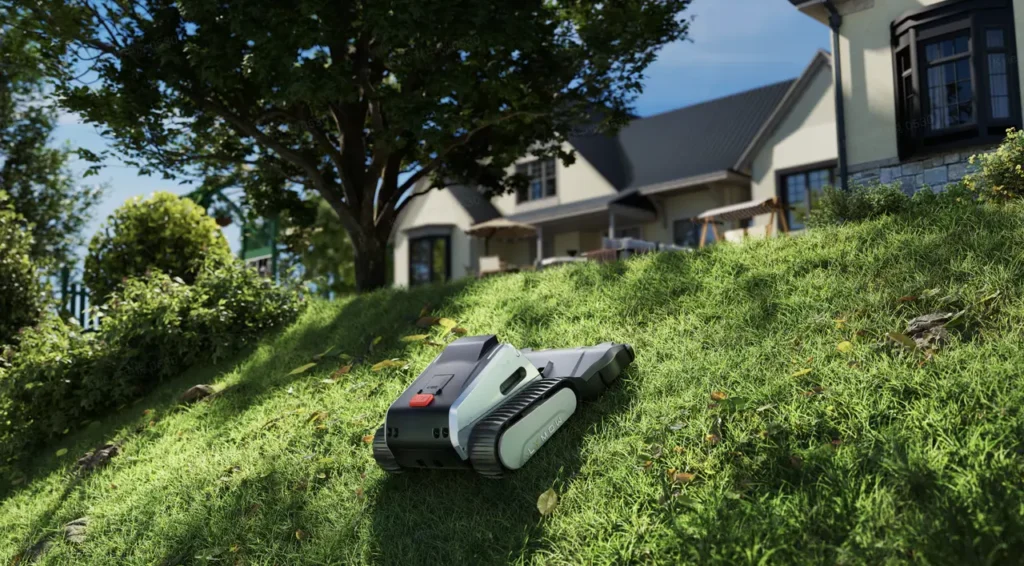
Before focusing only on the number of blades, look at the complete mower. Cutting technology is important, but it is only one part of the overall experience.
Consider these factors before making a decision:
- Lawn size – Make sure the mower is suitable for the area you need to maintain.
- Grass type – Different grasses can have different cutting requirements.
- Terrain – Slopes, uneven ground, and obstacles can affect mower performance.
- Cutting height – Check whether the mower provides the range you need.
- Maintenance – Look at how easy it is to clean, inspect, and replace blades.
- Mulching needs – If you don’t want to collect clippings, pay close attention to the cutting and mulching system.
Final Thoughts
The difference between a dual-blade mulching system and a traditional robotic mower isn’t simply about having more blades. It’s about how the entire cutting process is designed to work with the lawn.
Traditional robotic mowers can be a good fit for homeowners who mow frequently and want straightforward automated maintenance. Lymow’s dual-blade approach is worth a closer look for anyone who puts more emphasis on cutting performance and mulching.
In the end, the best robotic mower is the one that matches your lawn and your routine. If you want to spend less time mowing and more time enjoying a well-kept yard, understanding the cutting system is a good place to start.