
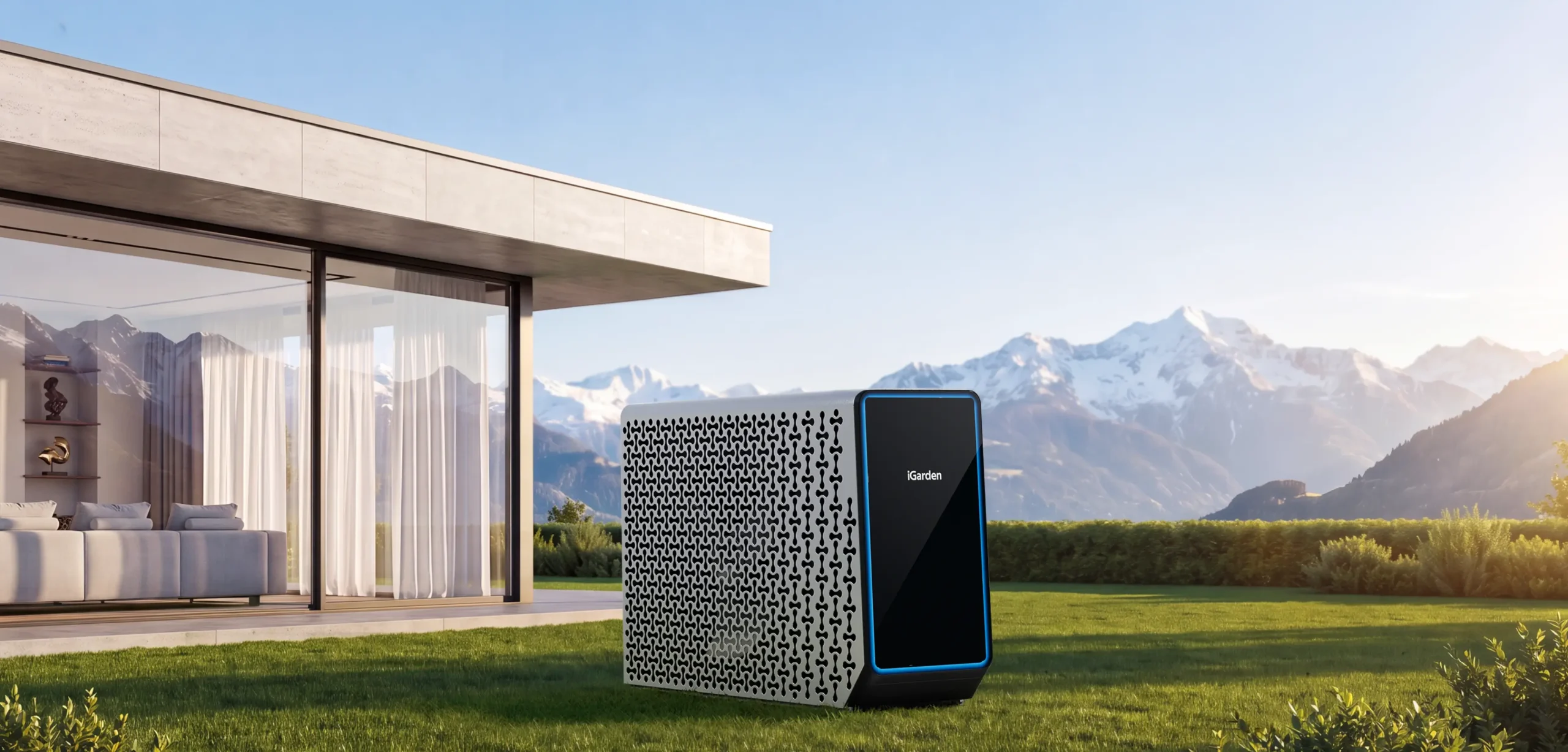
iGarden ATW Heat Pump and R290 Eco Refrigerant: A More Sustainable Heating Solution
Heating a home efficiently is becoming more important as homeowners look for ways to stay comfortable without wasting energy. Traditional heating systems can do the job, but they may rely heavily on fossil fuels or consume more electricity than necessary.
The iGarden ATW Heat Pump takes a different approach. By using air-to-water heat pump technology, inverter control, and R290 natural refrigerant, it is designed to provide reliable heating while keeping efficiency and environmental impact in mind.
What Is an iGarden ATW Heat Pump?

ATW stands for air-to-water. Instead of creating heat through combustion, the system captures available heat from outdoor air and transfers it into water that can be used for home heating and hot water applications.
This approach can make a big difference in how a heating system uses energy. The iGarden ATW system is designed to adjust its operation according to changing conditions rather than simply running at one fixed output.
The iGarden platform also uses AI inverter technology to manage refrigerant flow and compressor operation more precisely. Fairland says its control system can continuously monitor operating conditions and select an appropriate performance curve, helping the unit respond to changing heating demand.
Why R290 Refrigerant Matters
One of the most interesting parts of the iGarden ATW Heat Pump is its use of R290 refrigerant. R290 is also known as propane and is considered a natural refrigerant with very low global warming potential.
The iGarden R290 ATW specifications list a GWP of just 3. That is considerably lower than many commonly used synthetic refrigerants, making R290 an appealing choice for newer heating technology.
Choosing a refrigerant with a lower climate impact is important because refrigerants can contribute to greenhouse gas emissions if they are released into the atmosphere. Using R290 helps address that part of the environmental equation while also offering useful thermodynamic characteristics for heat pump operation.
How the Air-to-Water System Works

The basic idea behind an air-to-water heat pump is surprisingly simple.
The outdoor unit extracts heat energy from the surrounding air. The refrigerant carries that heat through the system, where it is transferred to water. That heated water can then circulate through the home’s heating system.
The process can be summarized like this:
- The outdoor unit absorbs heat from the air.
- R290 refrigerant carries and increases the heat energy.
- A heat exchanger transfers the heat into water.
- Heated water moves through the home’s heating system.
- The system continuously adjusts its operation as conditions change.
This means the system isn’t simply generating heat from scratch. It is moving and upgrading available heat energy, which is one reason heat pumps can achieve high efficiency under suitable operating conditions.
See How iGarden Heat Pumps Work
Efficiency Without Constant Full-Power Operation
Nobody wants a heating system that is constantly switching between full power and completely off. That kind of operation can be inefficient and may make it harder to maintain a comfortable indoor temperature.
The iGarden ATW Heat Pump uses inverter technology to modulate its output. In practical terms, the compressor can adjust its operation depending on how much heating is actually required.
For example, a home may need more heating on a freezing morning than it does on a mild afternoon. Instead of treating both situations the same way, inverter technology allows the system to respond to those changing conditions.
Fairland’s published specifications for its R290 ATW models show COP ranges reaching as high as 7.0 under specified test conditions, with A+++ energy ratings listed for both 35°C and 55°C applications. Actual performance will depend on installation, climate, water temperature, and other system conditions.
Designed for Colder Weather

A common concern with air-source heat pumps is how they perform when outdoor temperatures drop. The iGarden R290 ATW platform is designed to operate across a wide temperature range.
According to the published specifications, the system’s operating range extends from approximately -25°C to 43°C, while maximum outlet water temperature is listed at 75°C. These specifications make the system suitable for a range of heating applications, although the right model and installation setup are still important.
This is particularly useful for homeowners who want a heat pump without giving up the ability to heat their home effectively during colder periods.
A Smarter Approach to Home Heating
Efficiency isn’t only about hardware. How a heat pump is controlled can also affect its performance.
The iGarden ATW platform combines inverter operation with intelligent control. The system can monitor operating conditions and adjust performance accordingly, helping it respond to changes in heating demand rather than relying on a simple fixed-output approach.
The platform also supports smart energy management features, including SG/PV readiness on the iGarden InverX7 platform. That can be useful for homeowners interested in combining heating with solar power or other energy-management systems.
Explore Smart Heating Features
Potential Benefits of the iGarden ATW Heat Pump

For homeowners considering a modern heating system, the combination of air-to-water technology, inverter control, and R290 refrigerant offers several interesting advantages:
- Lower-impact refrigerant: R290 has a very low GWP of 3.
- High efficiency potential: Published iGarden specifications show COP values reaching up to 7.0 under specified conditions.
- Inverter operation: Output can be adjusted according to changing heating requirements.
- High-temperature capability: The published maximum outlet temperature is 75°C.
- Cold-weather operation: The listed operating range extends down to -25°C.
- Smart energy options: The platform supports SG/PV integration.
- Heating and hot water: The ATW system can support multiple household heating needs.
Of course, efficiency and running costs depend heavily on the property’s insulation, heat distribution system, climate, electricity prices, and correct system sizing.
Find the Right iGarden Solution
Is an iGarden R290 Heat Pump Right for Your Home?
An iGarden ATW Heat Pump could be worth considering if you’re replacing an older heating system or planning a more energy-conscious home heating setup.
However, choosing a heat pump shouldn’t be based on one specification alone. The size of the property, insulation, existing radiators or underfloor heating, local climate, desired water temperature, and available electrical supply all matter.
A professional installer can assess these factors and determine whether an iGarden system is appropriately sized for the property. Correct design and installation are essential for getting the best performance from any heat pump.
A More Thoughtful Way to Heat
The iGarden ATW Heat Pump represents a broader shift toward heating technology that focuses on efficiency, intelligent control, and lower-impact refrigerants.
Its combination of air-to-water heat pump technology, AI inverter control, and R290 refrigerant makes it an interesting option for homeowners looking beyond conventional heating systems. R290’s low GWP of 3 also makes the refrigerant choice particularly relevant as the heating industry moves toward lower-impact alternatives.
For anyone planning a future heating upgrade, the goal isn’t simply to find a system that produces heat. It’s about finding a system that can provide comfortable heating while using energy thoughtfully and fitting into a more sustainable home.