
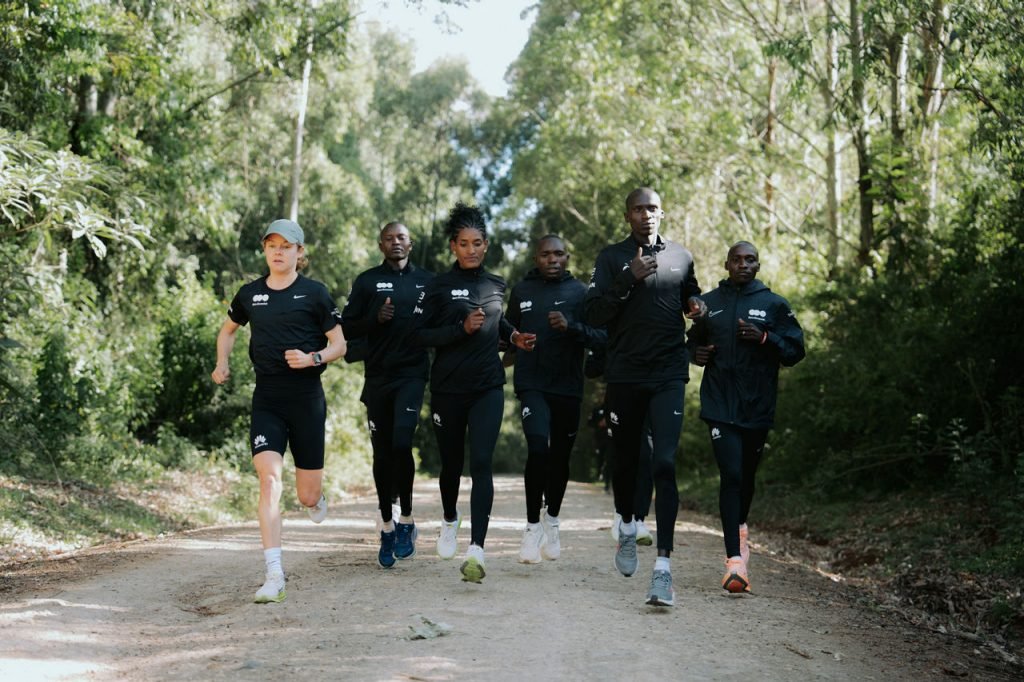
Introduction: Innovation Beyond Elite Athletes
Sports gear innovation is no longer reserved for professional athletes or elite training centers. Today, everyday runners, gym-goers, and recreational players benefit from technologies once considered cutting-edge luxuries. Advances in materials science, data tracking, and digital integration have reshaped how people train, recover, and stay motivated. Modern sports gear is designed not just to improve performance, but to enhance comfort, reduce injury risk, and adapt to individual needs. From intelligent shoes to connected wearables, innovation is quietly changing daily workouts in meaningful ways. These developments allow athletes of all levels to train smarter rather than harder, using feedback and support that fits seamlessly into their routines. As a result, exercise has become more personalized and accessible, encouraging consistency and long-term engagement. Understanding how these innovations work helps everyday athletes make informed choices and get more value from their training, regardless of their sport or experience level.
Smarter Footwear and Equipment Design
One of the most visible areas of innovation is footwear and core training equipment. Modern athletic shoes now feature advanced cushioning systems, energy-return foams, and adaptive support structures that respond to movement patterns. These designs help reduce joint stress and improve efficiency during activities like running, walking, and court sports. Similarly, equipment such as rackets, bats, and resistance tools are engineered with lightweight composites and vibration-dampening materials to enhance control and comfort. For everyday users, this means less fatigue and a lower risk of overuse injuries during regular training. Adjustable designs also allow gear to suit different body types and skill levels, removing the one-size-fits-all limitation of older products. By focusing on biomechanics and user feedback, manufacturers are making training gear more forgiving, durable, and enjoyable for daily use, not just competitive performance.
Wearable Technology and Real-Time Feedback
Wearable technology has transformed how people understand their own performance. Fitness watches, heart-rate monitors, and smart bands now provide real-time insights into speed, distance, recovery, sleep, and training load. This constant feedback helps users recognize patterns and adjust workouts before fatigue or injury sets in. For everyday athletes, wearables act like a personal coach, offering reminders, goal tracking, and progress visualization. Integration with mobile apps allows data to be stored, analyzed, and shared, making training more engaging and accountable. Importantly, these tools are becoming easier to use and more affordable, expanding their reach beyond tech-savvy users. By translating complex data into simple metrics, wearable gear empowers individuals to make smarter decisions about intensity and rest. This shift encourages sustainable training habits and supports long-term health alongside performance improvement.
Smart Apparel and Advanced Materials
Innovation has also reached clothing, turning basic apparel into functional training tools. Moisture-wicking fabrics, temperature-regulating textiles, and compression garments improve comfort and circulation during workouts. Some smart apparel even includes embedded sensors that track muscle activation, posture, or movement efficiency. For everyday training, these features help maintain proper form and reduce strain, especially during repetitive exercises. Lightweight, breathable materials also make it easier to train in different environments without discomfort. Sustainability is another growing focus, with brands using recycled fibers and eco-friendly production methods. This combination of performance and responsibility appeals to modern athletes who value both results and impact. By enhancing comfort and body awareness, advanced sports apparel supports longer, more consistent training sessions, making everyday workouts feel more professional and purpose-driven without adding complexity.
Accessibility, Motivation, and the Future of Training
Perhaps the most important change driven by sports gear innovation is increased accessibility. Advanced tools are no longer limited to professionals; they are designed for beginners, older adults, and casual athletes. User-friendly interfaces, guided workouts, and adaptive features help people train confidently at their own pace. Gamification elements, social sharing, and virtual challenges also boost motivation, turning solo workouts into engaging experiences. Looking ahead, artificial intelligence and personalized recommendations are expected to further tailor gear to individual goals and physical conditions. This evolution will continue to blur the line between coaching and equipment. As technology becomes more intuitive, everyday training will feel more supportive and less intimidating. Ultimately, sports gear innovation is not just changing how people train, but why they keep training—making fitness more inclusive, informed, and sustainable for the long run.