
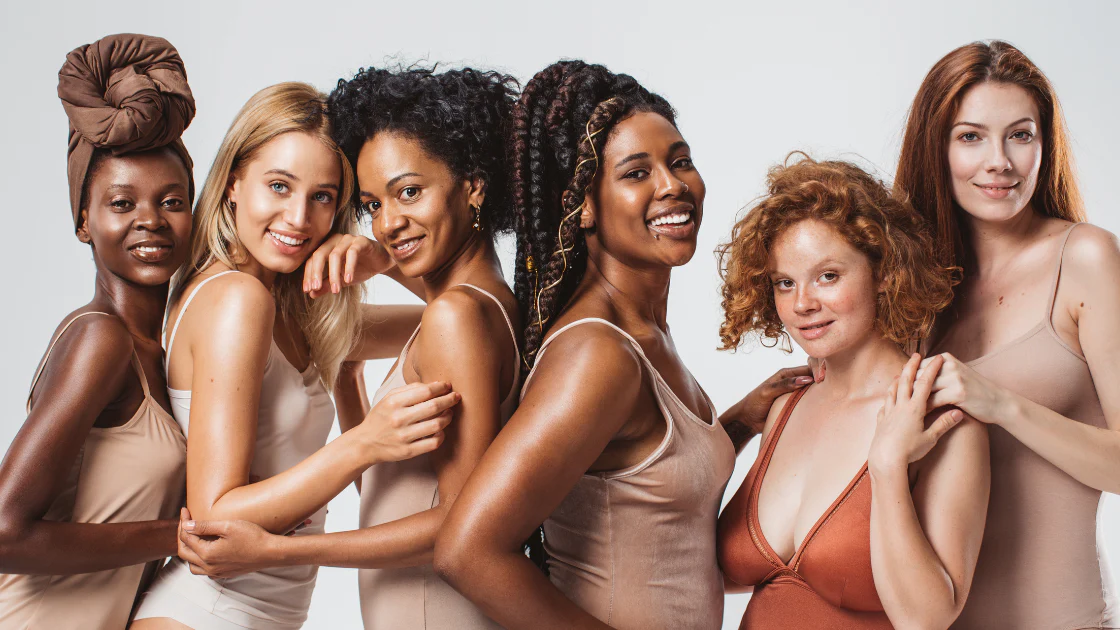
Redefining Beauty Standards in a More Inclusive World
The Evolution of Beauty Standards
Beauty has always been a reflection of societal values, but these standards have rarely been inclusive. Historically, narrow ideals—such as specific body types, skin tones, or facial features—have dominated media, fashion, and advertising, marginalizing countless individuals who did not fit these criteria. For decades, this created a culture where people felt pressured to conform to unrealistic images, often resulting in low self-esteem, mental health struggles, and even physical harm. However, as society progresses, there is a growing awareness that beauty is multifaceted and cannot be confined to one definition. Movements promoting body positivity, self-love, and mental well-being have sparked conversations around the need for inclusivity in all forms of representation. This shift challenges industries to reconsider their practices and to embrace diversity not as a trend, but as an essential standard. Redefining beauty is no longer about exclusion—it is about celebrating uniqueness.
The Role of Media and Representation
Media has historically played a critical role in shaping perceptions of beauty, often perpetuating stereotypes and narrow ideals. Television, magazines, and advertisements have long favored a specific image: young, slim, and often Eurocentric. Social media initially appeared to amplify these ideals further, creating a pressure cooker for comparison. Yet, it has also become a platform for change, giving voice to diverse perspectives and showcasing the beauty in differences. Influencers, activists, and everyday individuals are using these platforms to challenge outdated norms, demonstrating that beauty transcends age, skin color, size, ability, and gender. When people see themselves represented authentically, it fosters acceptance and confidence. Moreover, inclusive media representation encourages industries to diversify their casting, fashion lines, and marketing campaigns. By broadening the narrative around beauty, media can shift from being a source of exclusion to a catalyst for empowerment and societal transformation.
Embracing Diversity in Fashion and Advertising
Fashion and advertising have long been at the forefront of promoting unrealistic beauty standards, but they are now slowly embracing inclusivity. Brands that feature models of different body shapes, ethnicities, ages, and abilities are gaining recognition and consumer loyalty. This evolution reflects a larger societal demand for authenticity and representation, signaling that people want to see themselves in the products and campaigns they engage with. Beyond physical appearance, inclusivity in fashion also addresses cultural and personal identity, encouraging brands to respect and celebrate individuality. This shift challenges the industry to rethink long-held assumptions about what sells and what is desirable. The impact goes beyond marketing—it empowers individuals to embrace their natural selves without feeling pressured to conform. By celebrating diversity, fashion and advertising contribute to a more compassionate and equitable understanding of beauty, proving that inclusivity is both a moral and economic imperative.
Redefining Personal Beauty and Self-Perception
True change in beauty standards begins at an individual level, through redefining how we perceive ourselves. Society’s narrow ideals have conditioned many to measure worth through external appearance, but inclusivity emphasizes self-acceptance and inner confidence. Embracing personal beauty means recognizing that flaws, differences, and unique features are not imperfections but integral parts of identity. Mental health advocates and self-love campaigns encourage people to focus on holistic well-being rather than aesthetic conformity. Practices like mindful self-reflection, positive affirmations, and representation in media can reinforce this mindset. Moreover, redefining beauty involves challenging internal biases and appreciating diversity in others. As individuals adopt inclusive perspectives, societal norms shift organically. Ultimately, personal acceptance and the celebration of others’ uniqueness form the foundation of a truly inclusive world where beauty is not dictated by arbitrary standards but defined by authenticity, empathy, and self-respect.
Moving Towards a More Inclusive Future
The journey toward inclusive beauty standards is ongoing, and its success relies on collective effort. Industries, media, and individuals all play vital roles in shaping perceptions and expectations. Schools, workplaces, and social platforms can promote inclusivity by providing education, exposure, and open dialogue about diversity and self-worth. Policies that prevent discrimination based on appearance, age, or physical ability can reinforce societal commitment to fairness. Additionally, continuous visibility of underrepresented groups ensures that inclusivity becomes a permanent norm rather than a passing trend. Redefining beauty in an inclusive world is not simply about aesthetics—it is about dignity, equality, and empowerment. As societies embrace broader definitions of beauty, they foster environments where everyone feels valued, celebrated, and confident in their own skin. In this evolving landscape, beauty becomes a mirror reflecting humanity in all its rich, diverse, and authentic forms.