
Remote Work and the New Digital Nomad Lifestyle
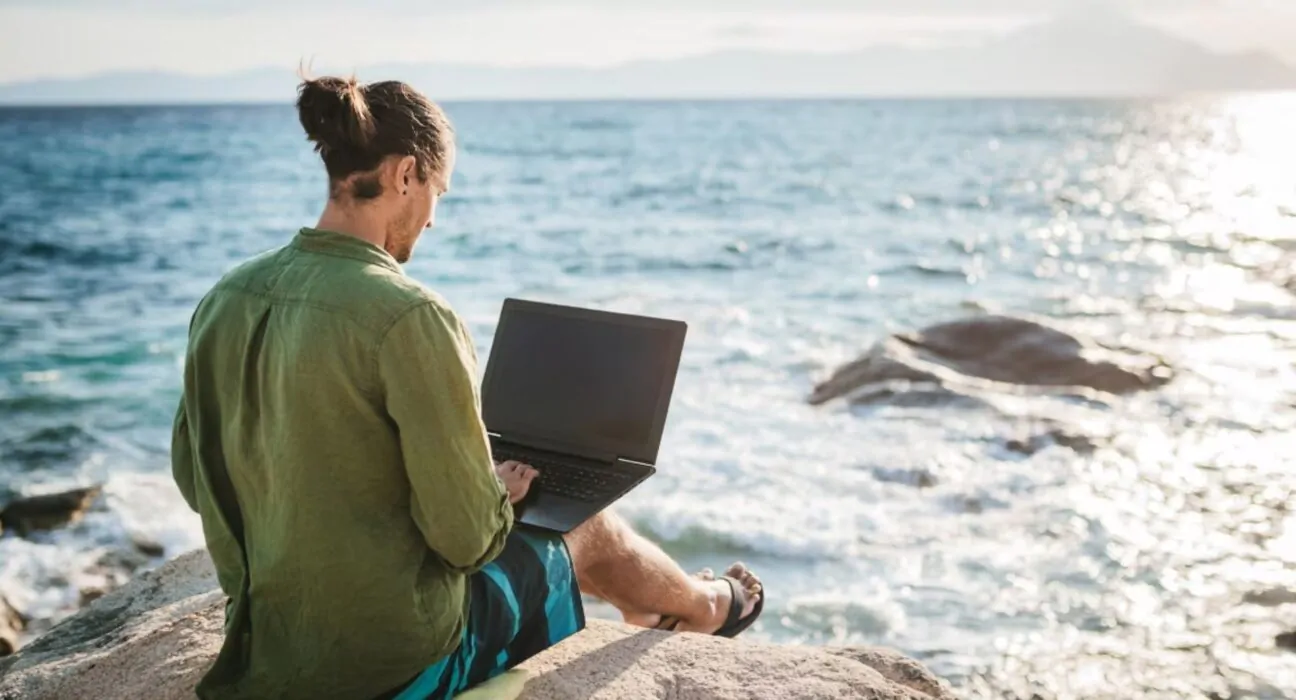
In recent years, the concept of work has undergone a significant transformation. Traditional office spaces are no longer the sole environment where professionals perform their duties. Remote work has emerged as a viable and often preferred option for many, thanks to advancements in technology and shifts in workplace culture. Employees now have the freedom to work from anywhere in the world, provided they have a stable internet connection and the necessary tools. This shift has paved the way for a new generation of professionals known as digital nomads—individuals who combine their work responsibilities with the freedom to travel and explore different countries and cultures. Beyond the allure of exotic locations, remote work offers flexibility, reduces commuting stress, and allows professionals to design their schedules around personal productivity peaks. However, embracing this lifestyle requires more than just a laptop and Wi-Fi; it demands discipline, adaptability, and an ability to balance work and leisure effectively.
The rise of digital nomadism is fueled by the increasing availability of technology and collaboration tools that make remote work seamless. Video conferencing platforms, cloud-based project management software, and instant messaging applications allow teams to communicate and collaborate in real-time, regardless of time zones. Additionally, many companies have realized the benefits of allowing employees to work remotely, including increased productivity, reduced overhead costs, and access to a broader talent pool. For individuals, the digital nomad lifestyle presents opportunities to experience new cultures, broaden perspectives, and foster personal growth while maintaining professional responsibilities. Co-working spaces, digital nomad communities, and online networking platforms have further enabled this lifestyle, offering a sense of connection and support despite physical distance. While it may seem idealistic, successful digital nomadism requires careful planning, including understanding visa regulations, managing finances, and ensuring a stable work environment wherever one chooses to settle temporarily.
Adopting a digital nomad lifestyle offers unique advantages that go beyond conventional employment. One of the most significant benefits is the freedom to choose one’s environment, which can positively impact creativity and mental health. Working in stimulating locations—be it a beachfront café in Bali, a mountain lodge in the Alps, or a bustling urban center—can inspire innovative thinking and rejuvenate the mind. Additionally, the flexibility to schedule work around personal routines allows individuals to achieve a better work-life balance, incorporating activities that enhance well-being. Digital nomads also gain exposure to diverse cultures, languages, and lifestyles, which can enrich their worldview and improve problem-solving and adaptability skills. Financially, the ability to relocate to countries with lower living costs can maximize earnings while maintaining a high quality of life. However, it is essential to balance exploration with consistent productivity to ensure that professional obligations are met without compromising the benefits of mobility and freedom.
Despite the appealing aspects of remote work and digital nomadism, the lifestyle comes with challenges that require strategic management. Loneliness and isolation can be significant issues, especially for those accustomed to team environments and regular social interaction. Building a support network, whether through online communities, co-working spaces, or local meetups, is essential to maintain mental well-being. Additionally, navigating different time zones can complicate communication with colleagues or clients, necessitating careful scheduling and strong organizational skills. Digital nomads also face uncertainties related to healthcare, visas, and reliable internet access, which can disrupt work and travel plans. Discipline becomes crucial, as the lack of a structured office environment may lead to distractions or inconsistent productivity. Learning to set boundaries, manage time effectively, and establish routines are vital strategies for sustaining long-term success while embracing the flexibility and adventure that define the digital nomad lifestyle.
The future of work is increasingly intertwined with remote capabilities and the rise of digital nomads. Organizations are recognizing the potential for global talent acquisition, and employees are seeking lifestyles that offer freedom without sacrificing professional growth. As technology continues to evolve, opportunities for remote work will expand, creating environments that blend work, travel, and personal development seamlessly. For aspiring digital nomads, the key lies in preparation, adaptability, and the willingness to embrace both the excitement and challenges of this modern lifestyle. The digital nomad journey is more than a trend; it represents a paradigm shift in how people perceive work, life, and the balance between the two. By leveraging technology, cultivating discipline, and prioritizing well-being, professionals can thrive while exploring the world, making the vision of a truly location-independent career a sustainable reality.