
The Future of Food: How Sustainability Is Changing What We Eat
Rethinking Our Plates: The Rise of Sustainable Eating
As the world grapples with climate change and resource depletion, the way we approach food is undergoing a profound transformation. Sustainability has shifted from a niche concern to a driving force in food production and consumption. More people are becoming aware that every choice we make—whether eating beef, chicken, or plant-based alternatives—has a measurable impact on the environment. Traditional farming methods often contribute to deforestation, water scarcity, and greenhouse gas emissions, prompting innovators to explore alternatives that are kinder to the planet. This has led to a surge in plant-based diets, lab-grown meat, and regenerative agricultural practices that prioritize soil health and biodiversity. Consumers are increasingly demanding transparency about sourcing, production methods, and ethical considerations, influencing grocery stores and restaurants to rethink menus. The future of food is not just about nutrition or taste; it’s about creating a food system that can sustain both people and the planet for generations to come.
Plant-Based Diets: More Than Just a Trend
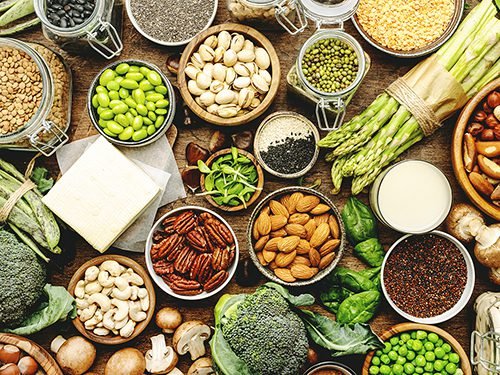
One of the most visible changes in the world of sustainable eating is the rise of plant-based diets. What was once considered a niche or health-conscious choice is now entering mainstream culture, driven by concerns over environmental impact, animal welfare, and personal health. Meat alternatives, such as those made from soy, pea protein, or mushrooms, are becoming more sophisticated, closely mimicking the taste and texture of traditional meat. Beyond burgers and sausages, plant-based options are now appearing in convenience foods, snacks, and even dairy products like cheese and yogurt. The benefits extend far beyond the plate: producing plant-based foods generally requires less water, emits fewer greenhouse gases, and uses less land compared to conventional animal farming. While challenges remain, such as affordability and widespread availability, the shift toward plant-based eating indicates a broader societal recognition that our food choices carry weight. In the coming years, plant-based diets are expected to move from alternative to standard, influencing not just individuals but entire food industries.
Innovations in Food Technology: Lab-Grown and Beyond
Technology is playing a pivotal role in shaping the future of sustainable food. Lab-grown meat, also known as cultured meat, is a prime example of how innovation can reduce the environmental footprint of protein production. By cultivating animal cells in controlled environments, scientists can produce real meat without the need for large-scale livestock farming, which contributes heavily to carbon emissions and land degradation. Beyond meat, innovations are emerging in vertical farming, aquaponics, and insect-based protein, each offering a way to produce food with fewer resources and less waste. These technologies also present opportunities for urban areas where traditional agriculture is impractical, bringing fresh, locally produced food closer to consumers. While adoption faces regulatory, economic, and cultural hurdles, technological innovation signals a future in which food is not just consumed but engineered for sustainability. The integration of science, technology, and agriculture is gradually redefining what it means to feed the world responsibly.
Local and Regenerative Agriculture: Back to Our Roots
While technology is reshaping food on one end, there is a growing movement to return to more traditional, regenerative agricultural practices on the other. Unlike conventional farming, which often depletes soil and relies heavily on chemical inputs, regenerative agriculture focuses on restoring ecosystems, improving soil health, and promoting biodiversity. Local farming initiatives are also gaining momentum, emphasizing shorter supply chains, seasonal produce, and community-supported agriculture. By sourcing food closer to where it is consumed, transportation emissions are reduced, and local economies are strengthened. These practices foster resilience against climate-related disruptions, ensuring communities have access to fresh, nutritious food. Additionally, regenerative and local farming methods often prioritize ethical treatment of animals and sustainable land use, aligning with the broader goals of the sustainability movement. As consumers increasingly value traceability and quality, these farming practices are poised to play a crucial role in shaping the food landscape of the future.
Conscious Consumerism: The Power of Choice
The future of sustainable food is ultimately tied to the choices we make as consumers. Every purchase sends a signal to producers and retailers about what matters, creating incentives for companies to adopt more environmentally responsible practices. Labels such as organic, fair-trade, and carbon-neutral are becoming more prevalent, helping shoppers make informed decisions. Food waste reduction is another area where consumer behavior can have a significant impact; careful planning, composting, and mindful purchasing reduce the environmental cost of discarded food. Social media and digital platforms are amplifying awareness, connecting people to the origins of their food and inspiring collective action. As consumers become more educated and engaged, businesses must adapt to meet expectations for sustainability, transparency, and ethical practices. Ultimately, the shift toward conscious consumerism demonstrates that while technology and agriculture innovations are essential, the choices of everyday people are equally powerful in shaping a food system that nourishes both humanity and the planet.