
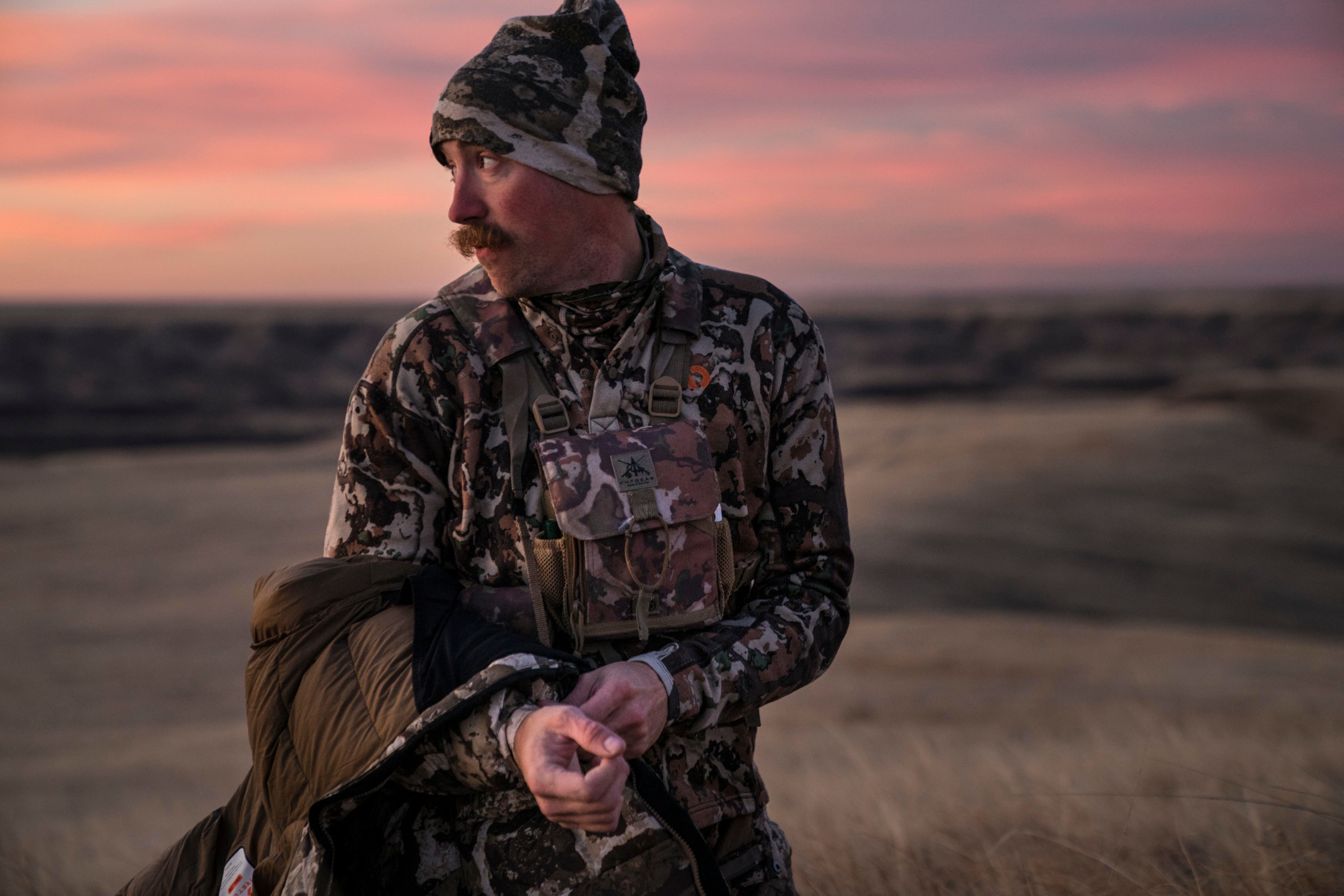
First Lite Men’s Wick Hoody: How to Build a Lightweight Merino Layering System
When you’re spending long hours outdoors, the right layering system can make a huge difference. You want something that keeps sweat under control when you’re moving, but also gives you enough flexibility when the temperature changes.
The First Lite Men’s Wick Hoody is designed to work as a lightweight, next-to-skin base layer. Its 150gsm Aerowool® fabric combines 17.5-micron merino wool with 37.5-activated nylon fibers, giving you a breathable and lightweight foundation for building a complete outdoor layering system.
Why Start With a Lightweight Merino Base Layer?
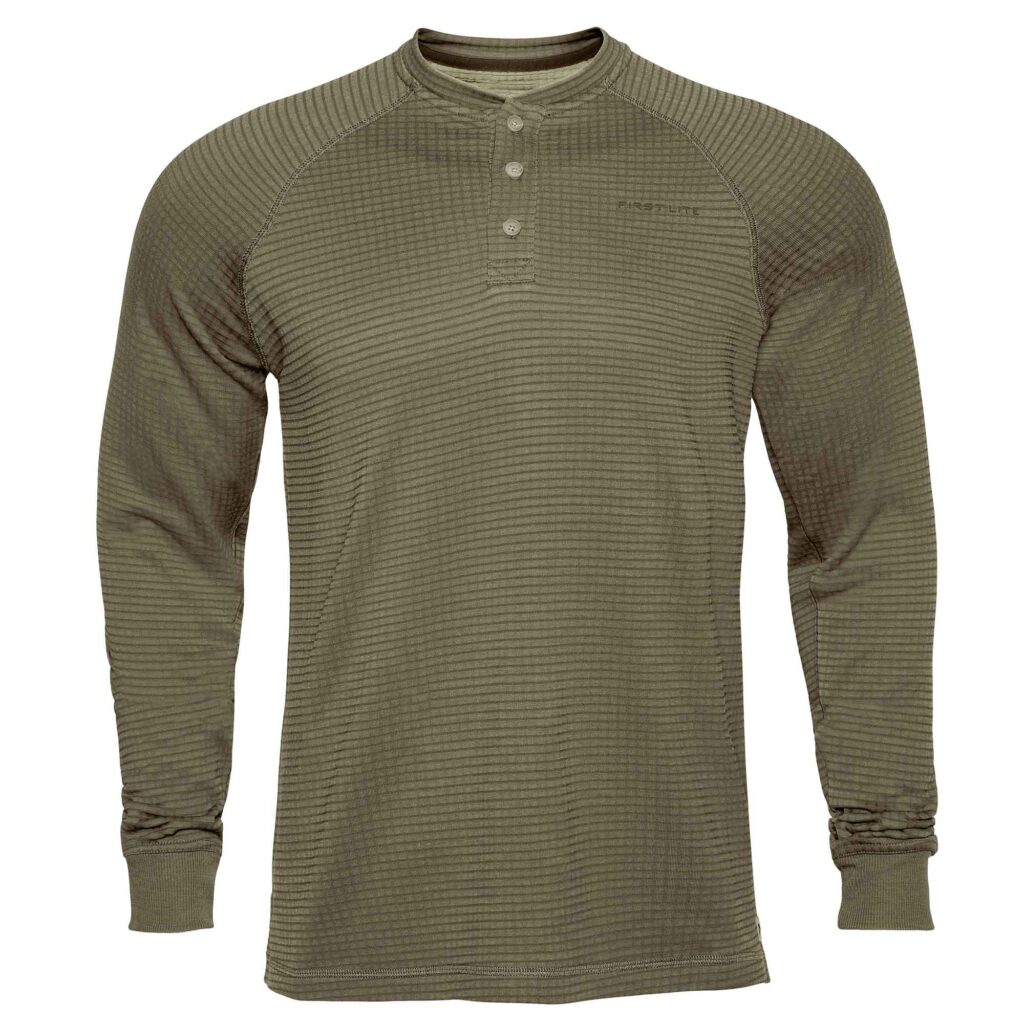
Shop Lightweight Merino Base Layer
A good layering system starts close to your skin. The base layer’s job is to help manage moisture while providing a comfortable layer between your body and everything else you’re wearing.
Merino wool is particularly useful for outdoor activities because it can help regulate temperature and resist odors. First Lite describes its Wick Hoody as a quick-drying, odor-resistant ultralight base layer designed for hot weather and high-exertion activities.
What Makes the First Lite Men’s Wick Hoody Different?
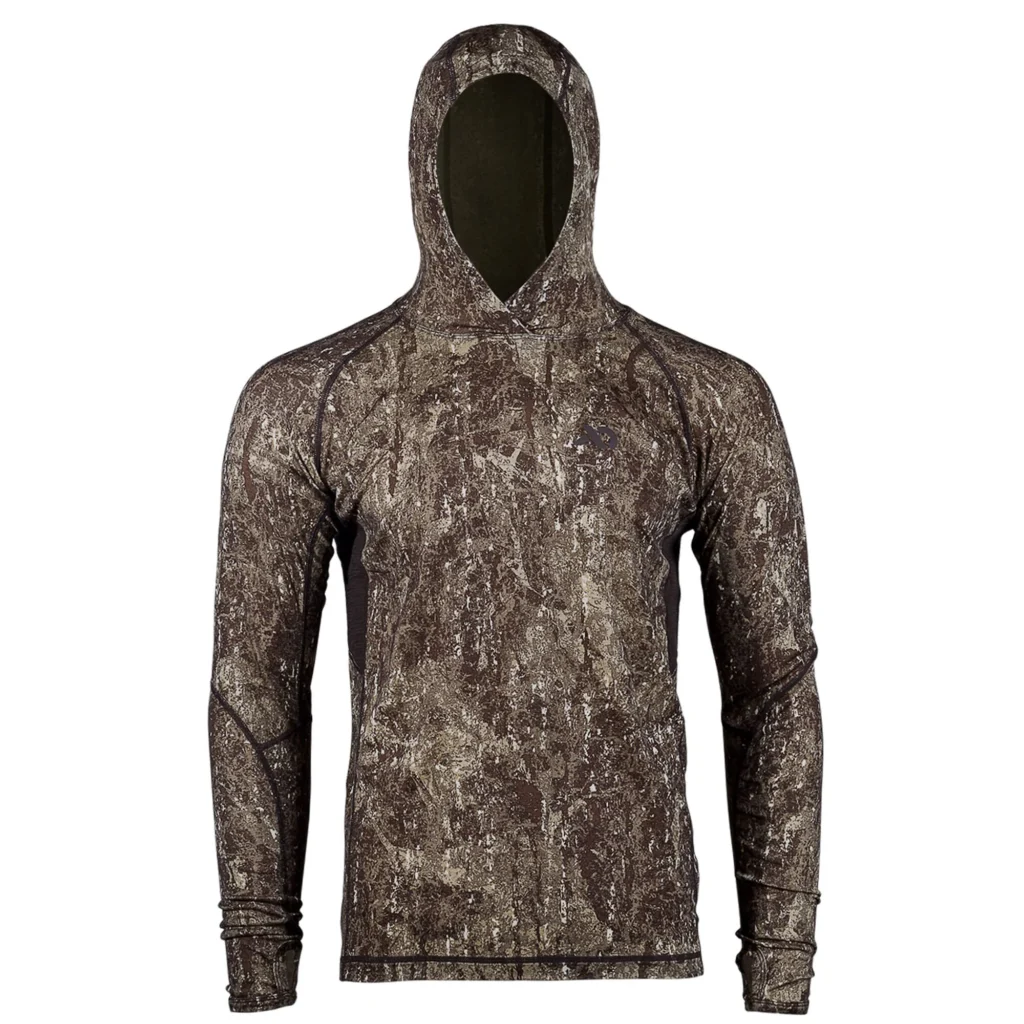
Shop the First Lite Men’s Wick Hoody
The Wick Hoody uses a 150gsm Aerowool® construction with 65% merino wool, 33% 37.5 nylon, and 2% spandex. It weighs about 9 ounces, so it adds very little bulk to your overall kit.
It also includes 125-gram mesh panels in targeted areas for additional ventilation. The loose-fitting hood, thumb loops, flatlock seams, and modified raglan sleeves are practical touches when you’re moving with a pack or spending long periods outside.
Layer 1: The Wick Hoody
Think of the Wick Hoody as the foundation of your system. Wear it directly against your skin so the lightweight fabric can help manage moisture while you move.
The built-in hood is also useful when you want extra coverage from the sun without adding another separate piece of clothing. First Lite lists the Wick Hoody for temperatures from around 45°F to above 80°F, making it especially suited to warmer conditions and high-output activities.
Layer 2: Add a Midlayer When Temperatures Drop
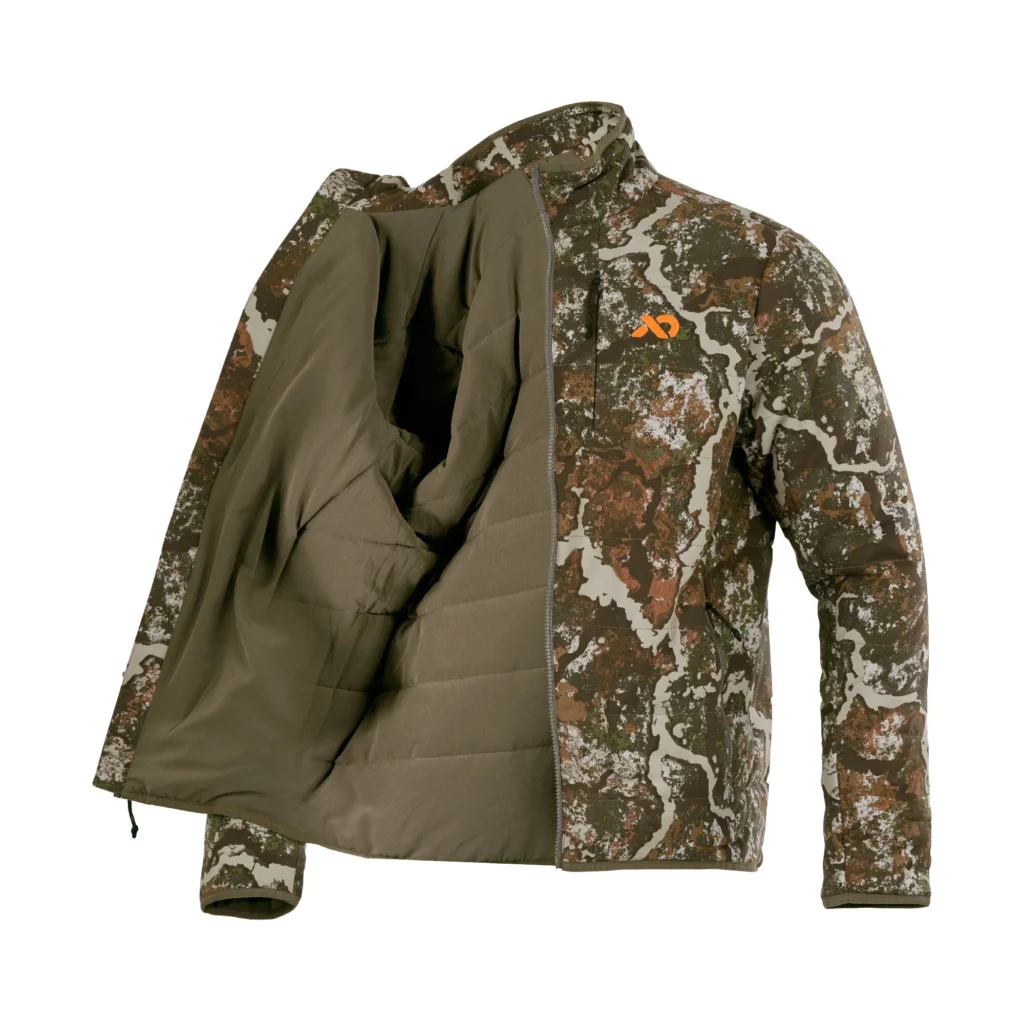
Explore First Lite Layering Options
Once the temperature starts falling, the next step is adding insulation rather than replacing your base layer. A lightweight or midweight layer can go over the Wick Hoody to create more warmth without making your system unnecessarily bulky.
For colder conditions, First Lite’s Men’s Kiln Hoody is a 250-gram Merino-X layer designed as a midlayer. Its heavier construction provides considerably more insulation than the 150gsm Wick Hoody.
A simple combination could look like this:
- Base: Wick Hoody
- Midlayer: Kiln Hoody
- Outer layer: Weather-resistant shell or hunting jacket
- Extra insulation: Add when you’re stationary or temperatures fall further
This approach gives you options throughout the day instead of relying on one heavy garment.
Layer 3: Add an Outer Shell When Needed
Your outer layer should protect you from conditions such as wind and rain. The important thing is not to make your base layer responsible for a job it wasn’t designed to do.
The Wick Hoody is primarily a lightweight base layer. Adding a suitable outer shell allows you to keep its moisture-management and breathable qualities while giving yourself another layer of protection when the weather turns.
For Colder Hunts, Build Up Gradually
One of the biggest advantages of a modular layering system is that you can add warmth as you need it. You don’t necessarily need to start the day wearing every layer you brought.
For example, a colder-weather setup could include:
- Wick Hoody for your next-to-skin layer.
- Kiln Hoody for midweight insulation.
- Heavier insulation when you’re sitting still for extended periods.
- Weather shell when wind or precipitation becomes a concern.
For very cold conditions, First Lite’s Men’s Furnace Hoody uses 350gsm Merino-X and is listed for temperatures below 20°F to 45°F. It’s a much heavier option than the Wick and is intended as a midlayer.
Don’t Overdress for High-Output Activities
It’s easy to put on too much clothing before starting a hike or hunt. Once you begin moving, that extra insulation can quickly become uncomfortable.
That’s where a lightweight base layer makes sense. The Wick Hoody is designed for hot-weather and high-exertion use, and its mesh ventilation panels are intended to improve airflow during active movement.
If you’re starting cold but know you’ll be moving soon, consider keeping heavier insulation accessible in your pack rather than wearing it from the beginning.
Use Your Layers Strategically
The best layering system isn’t necessarily the one with the most clothing. It’s the one that gives you enough flexibility to adjust throughout the day.
A practical approach is to:
- Start with the Wick Hoody next to your skin.
- Add insulation before you get seriously cold.
- Remove a layer when activity levels increase.
- Keep an outer shell available for changing weather.
- Carry an extra layer if you’ll be sitting still for long periods.
This keeps your clothing system adaptable instead of forcing you to choose between being too hot or too cold.
Why Merino Works Well for Multi-Day Trips
Merino can be particularly convenient when you’re packing for several days. First Lite’s Wick fabric is designed with odor resistance in mind, while the merino-and-nylon construction is intended to balance comfort, moisture management, drying speed, and durability.
That makes a lightweight merino layer useful beyond a single hunt. It’s also a practical choice for hiking, camping, travel, and other outdoor activities where keeping your pack light matters.
Take Care of Your Base Layer
Lightweight merino clothing deserves a little care. The Wick Hoody is machine washable, and First Lite recommends line drying it.
Following the care instructions can help keep the fabric performing as intended. It’s also worth avoiding unnecessary heat and rough treatment when you want lightweight clothing to remain part of your kit for a long time.
Build a System That Matches Your Activity
There isn’t one perfect layering setup for every outdoor adventure. A warm early-season hunt calls for something very different from a stationary hunt in freezing weather.
The key is to think in terms of layers rather than individual pieces. Start with a comfortable base such as the Wick Hoody, then add or remove insulation depending on your activity level and the conditions.
Final Thoughts
The First Lite Men’s Wick Hoody makes a strong foundation for a lightweight merino layering system. Its 150gsm construction, low weight, ventilation features, and next-to-skin design make it particularly suited to active outdoor use and warmer conditions.
From there, you can build up with a midlayer such as the Kiln Hoody and add heavier insulation or weather protection when conditions demand it. The result is a flexible system that can adapt throughout the day without forcing you to carry unnecessary bulk.