
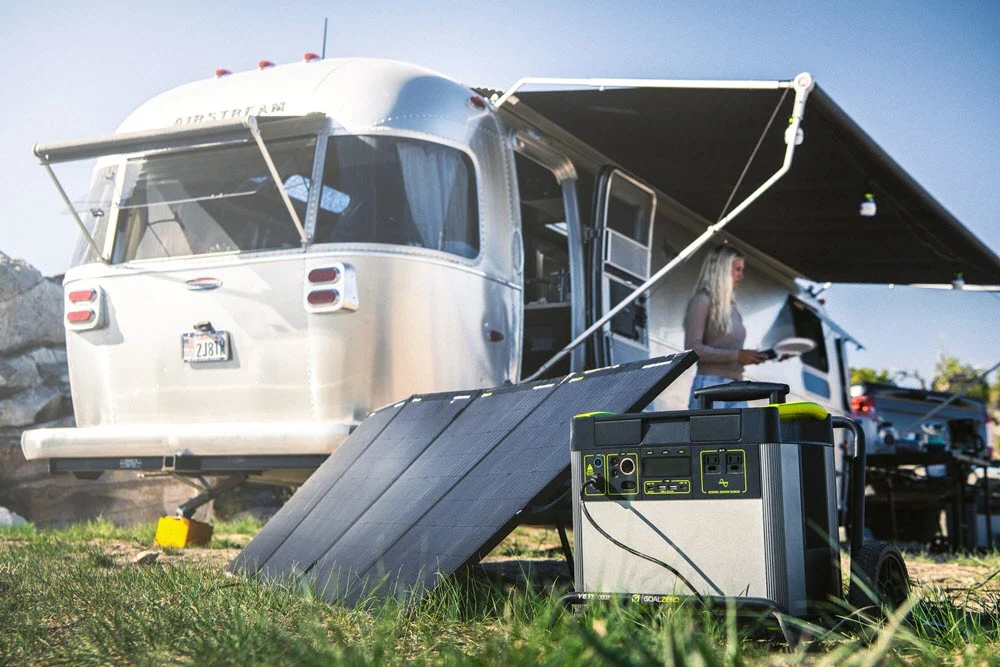
Goal Zero Solar Generators: How They Work and Which One Should You Choose?
Solar generators have become a popular way to stay powered without depending completely on the electrical grid. Whether you’re preparing for a power outage, planning a camping trip, or building a more flexible home backup system, Goal Zero solar generators offer a practical combination of battery storage and solar charging.
Unlike traditional gas generators, solar generators don’t burn fuel or produce exhaust while operating. They store electricity in a rechargeable battery and can use solar panels to replenish that stored energy.
What Is a Goal Zero Solar Generator?
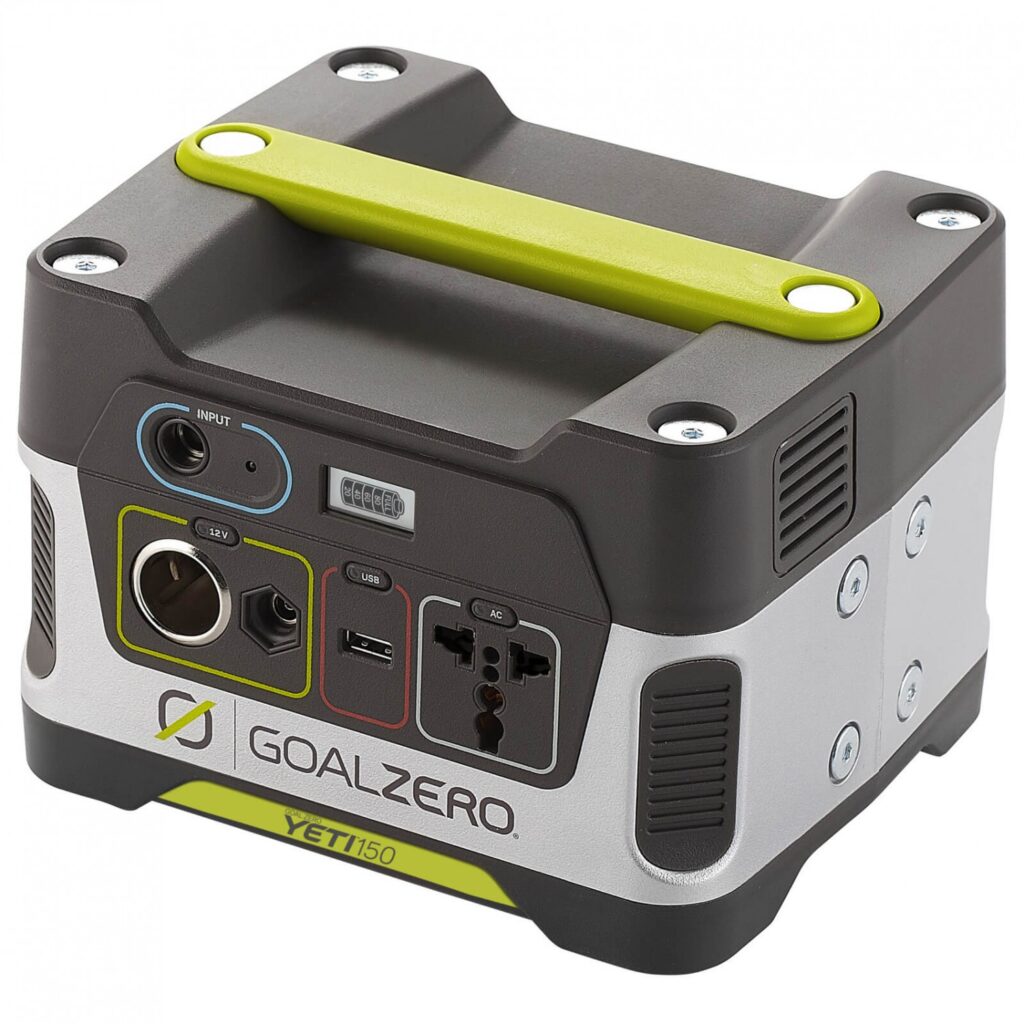
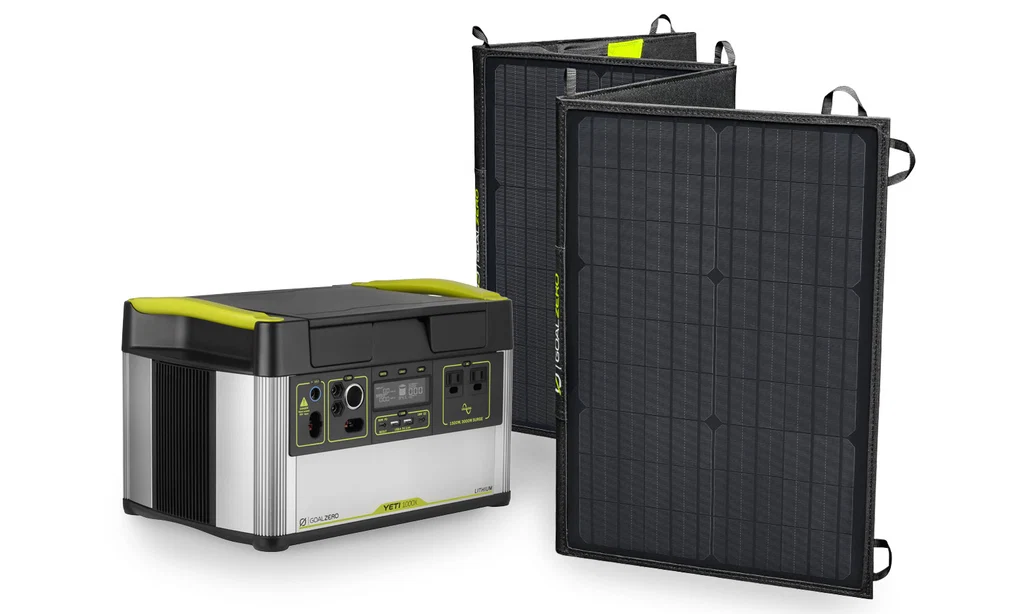
A Goal Zero solar generator is essentially a portable battery system designed to store and deliver electrical power. The setup usually combines a Yeti power station with compatible solar panels, allowing you to collect energy from the sun and save it for later use.
Think of it as a rechargeable power bank—but much bigger and more capable. Depending on the model, you can use one to charge phones and laptops, run lights, keep a refrigerator operating, or power other essential equipment.
How Do Goal Zero Solar Generators Work?
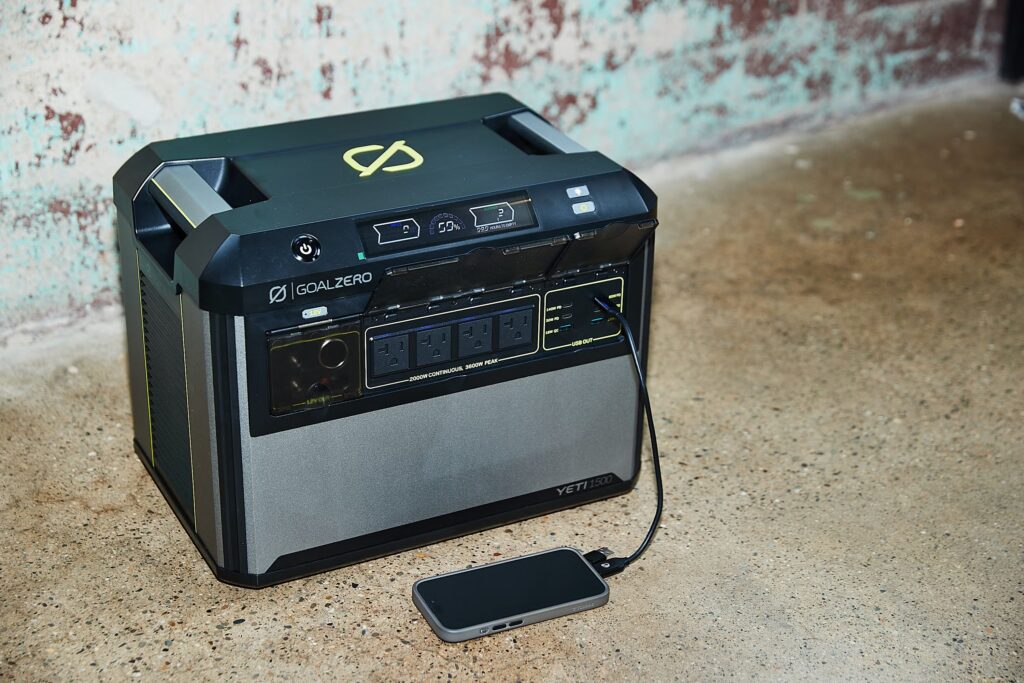
The process is fairly simple. Solar panels capture sunlight and convert it into electricity, which is sent to the Yeti power station and stored in its battery. When you need power, the battery supplies electricity through its different outlets and ports.
A built-in inverter converts the stored DC electricity into AC power for devices that normally plug into a wall outlet. Smaller electronics can often connect through USB ports, while compatible appliances can use the AC outlets.
The beauty of the setup is that you can recharge the battery using the sun instead of relying entirely on a wall outlet. That makes a Goal Zero solar generator particularly useful when you’re camping or dealing with an extended power outage.
Why Choose a Goal Zero Solar Generator?
There are several reasons people choose solar generators over traditional fuel-powered alternatives. The first is convenience. You don’t have to store gasoline, carry fuel cans, or deal with engine maintenance.
They are also quiet while operating, which can make a big difference at a campsite or around the home. You can run essential electronics without the constant noise associated with many conventional generators.
Another advantage is flexibility. A Goal Zero Yeti can be used at home, in an RV, at a campsite, or during outdoor projects, so you’re not buying something that only has one purpose.
Goal Zero Yeti Power Stations: Where Should You Start?
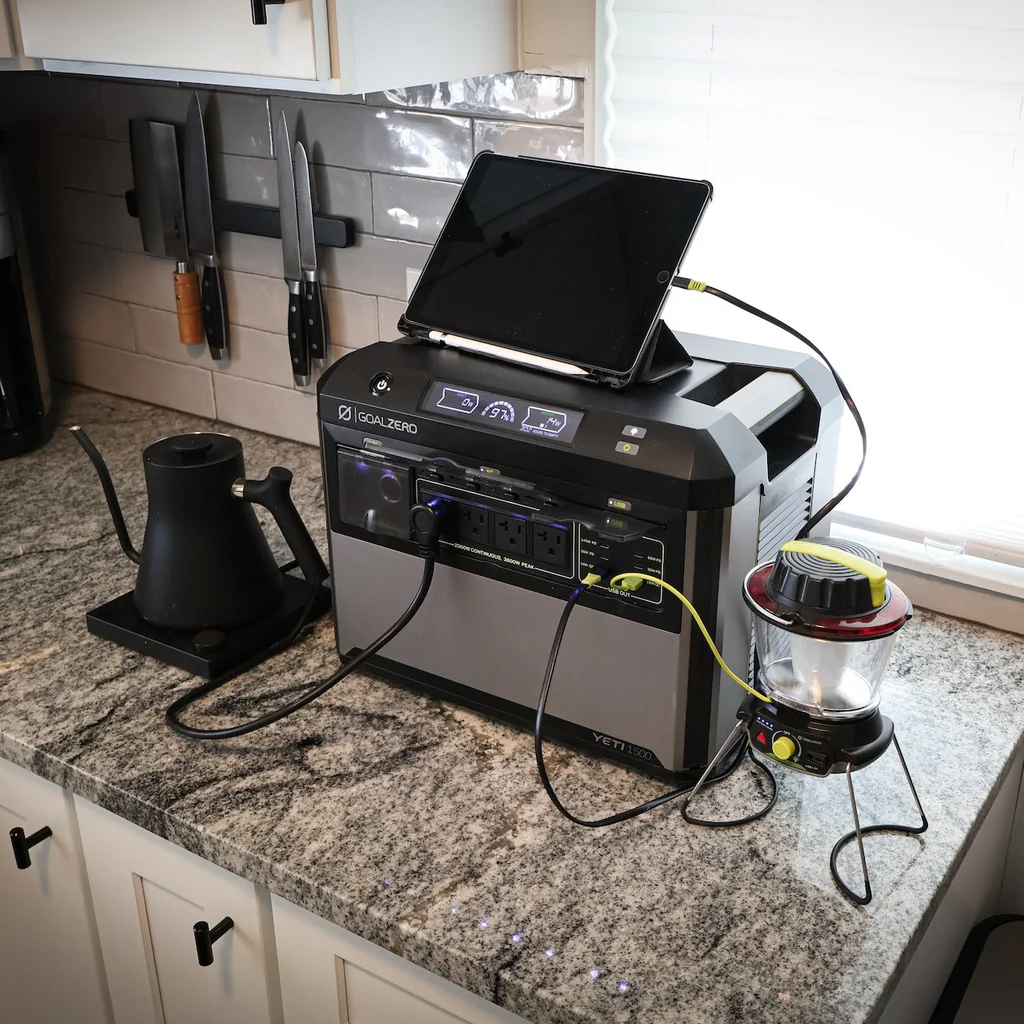
Goal Zero offers Yeti power stations in different sizes, so the best choice depends on how much electricity you need. A smaller model can be ideal for personal electronics, while larger units are better suited to appliances and home backup.
Before choosing one, think about the devices you actually want to run. There’s no reason to pay for a huge battery if your main goal is keeping phones, tablets, cameras, and laptops charged.
Smaller Goal Zero Power Stations
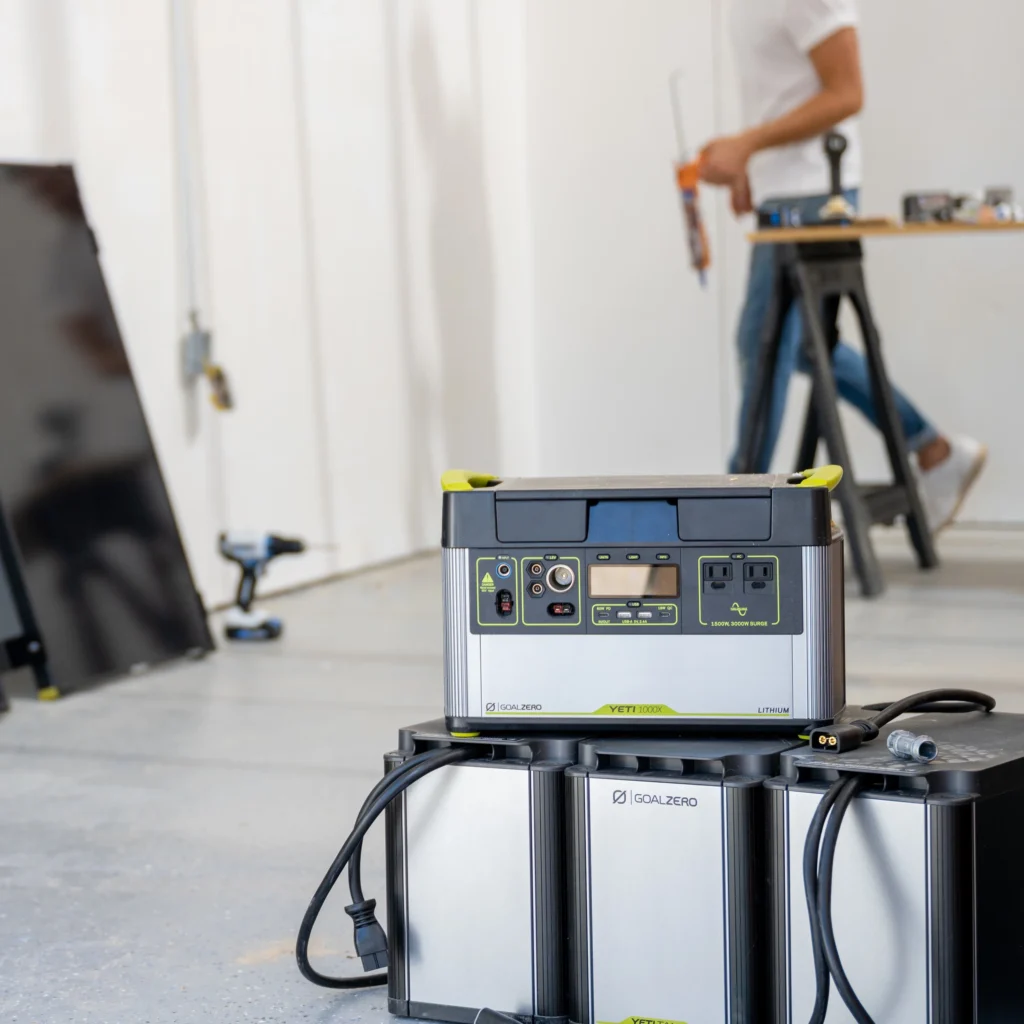
If portability is your priority, a smaller Yeti can make more sense. These models are easier to move around and work well for basic charging needs, short camping trips, and small electronics.
They are a good fit for people who want backup power without carrying a large, heavy unit. If you’re mainly concerned about keeping communication devices and small electronics running, start with a compact option.
Mid-Size Goal Zero Yetis
Mid-size Yeti power stations sit in the sweet spot for many users. They provide more battery capacity than compact units while remaining reasonably portable for camping, road trips, remote work, and emergency use.
This category is worth considering if your list includes several devices or you want enough capacity for longer trips. You can also pair the power station with solar panels to create a more independent setup.
Larger Goal Zero Yetis
If you’re looking for serious backup power, larger Yeti models are the ones to consider. They are designed for higher energy demands and can support larger appliances and more demanding equipment, depending on the model’s capacity and output.
These systems are particularly useful for home backup, RVs, off-grid applications, and longer periods away from reliable grid electricity. They’re heavier and more expensive, but the additional capacity can be worth it when reliable power matters.
Don’t Forget the Solar Panels
A power station doesn’t automatically become a solar generator just because it has a battery. You’ll need compatible solar panels if you want to recharge it using sunlight.
The right panel setup depends on your power station and how quickly you want to recharge. More solar input generally means faster charging when sunlight conditions are good, but you should always check the supported input specifications for your particular Yeti.
How Much Battery Capacity Do You Need?
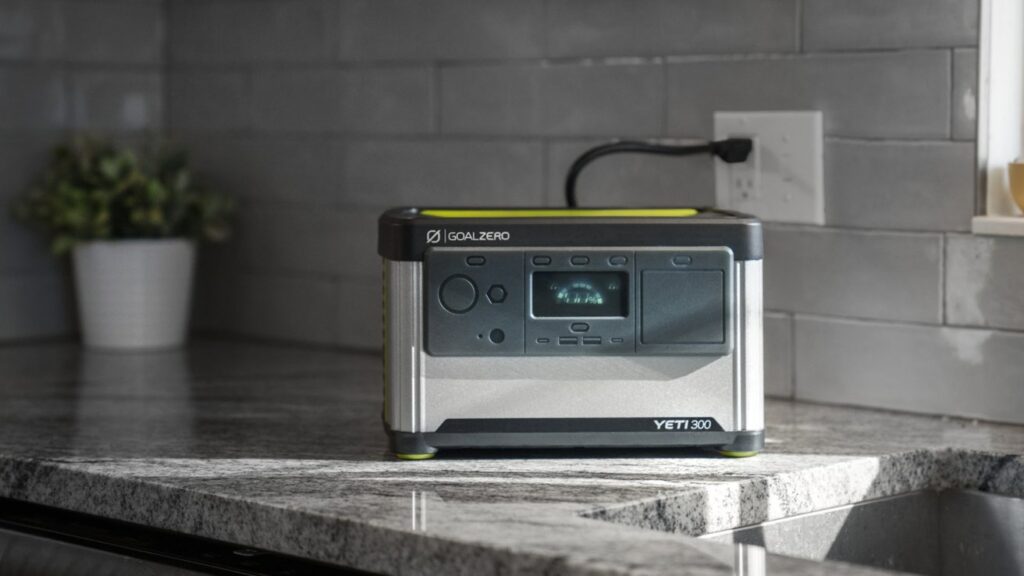
Battery capacity is one of the most important things to understand before buying. It’s usually measured in watt-hours, or Wh. A higher Wh rating generally means the battery can store more energy.
For example, charging a phone uses relatively little energy, while running a refrigerator or other appliance can use much more. Make a quick list of the devices you want to power and check their wattage before deciding which Yeti is right for you.
What Can You Power?
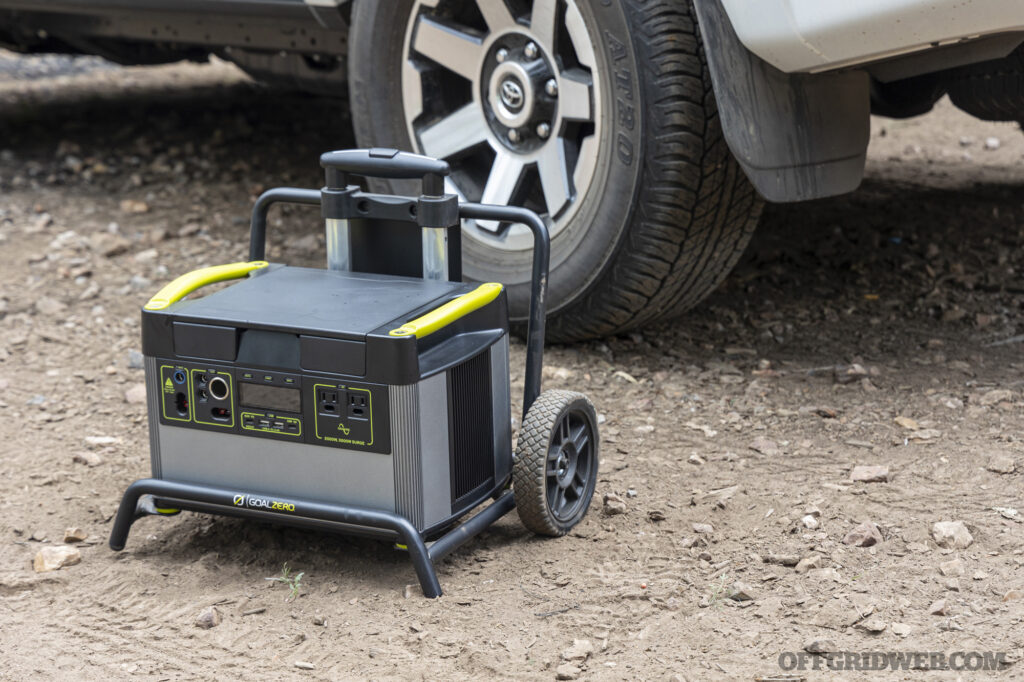
Depending on the Yeti model, a Goal Zero solar generator can power a wide range of devices, including:
- Smartphones and tablets
- Laptops
- Cameras and other electronics
- LED lights
- Fans
- Small appliances
- Refrigerators
- CPAP machines
- Power tools
- Camping equipment
The important thing is to check both the battery capacity and inverter output. A battery may have plenty of stored energy but still be unable to run an appliance if that appliance requires more power than the inverter can provide.
Goal Zero Solar Generators for Camping
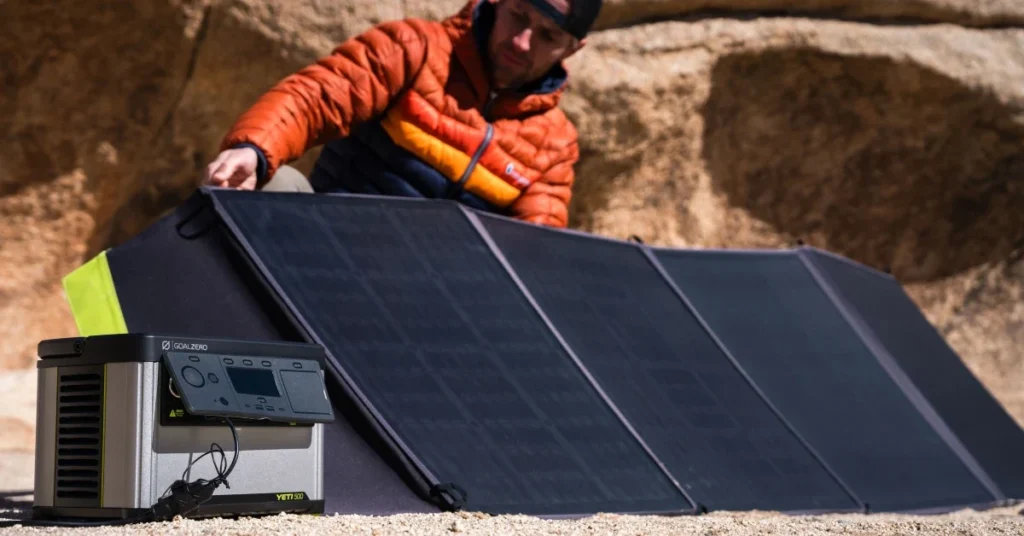
Build Your Camping Power Setup
Camping is one of the easiest ways to appreciate a solar generator. You can keep phones charged, run lights, power cameras, and support other campsite equipment without carrying gasoline or listening to an engine.
For occasional weekend trips, a compact or mid-size Yeti may be all you need. If you’re staying off-grid for several days or using more demanding equipment, consider a larger power station paired with enough solar capacity to recharge it during the day.
Goal Zero Solar Generators for Home Backup
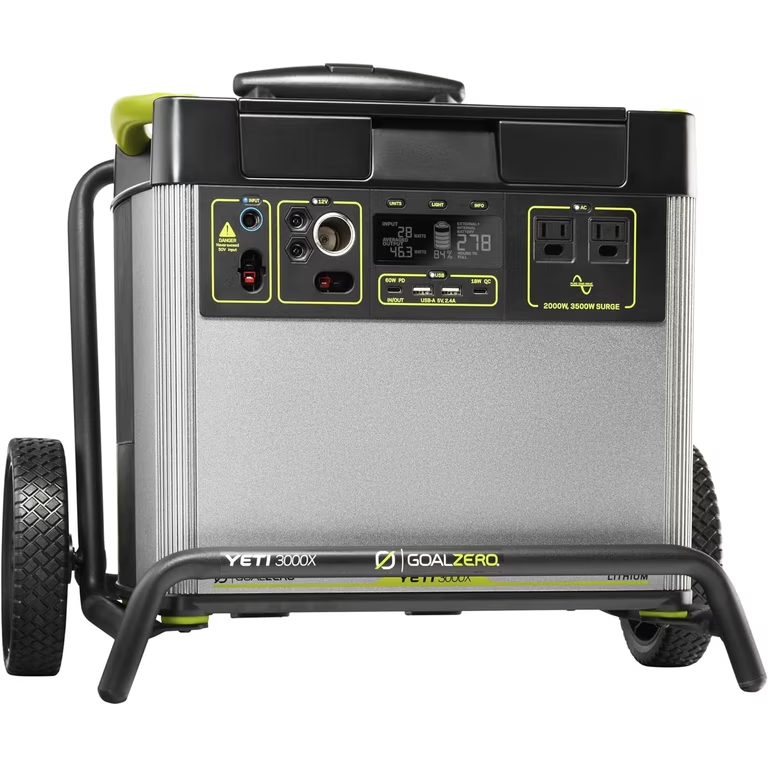
A solar generator can also provide peace of mind during a power outage. Instead of trying to power your entire house, focus on essential items such as lights, phones, internet equipment, medical devices, and refrigeration.
For longer outages, solar charging becomes especially useful because you can replenish your stored energy during daylight hours. The exact setup will depend on your home’s needs, the Yeti model, and how much solar input you can provide.
Goal Zero Solar Generators for RVs and Road Trips
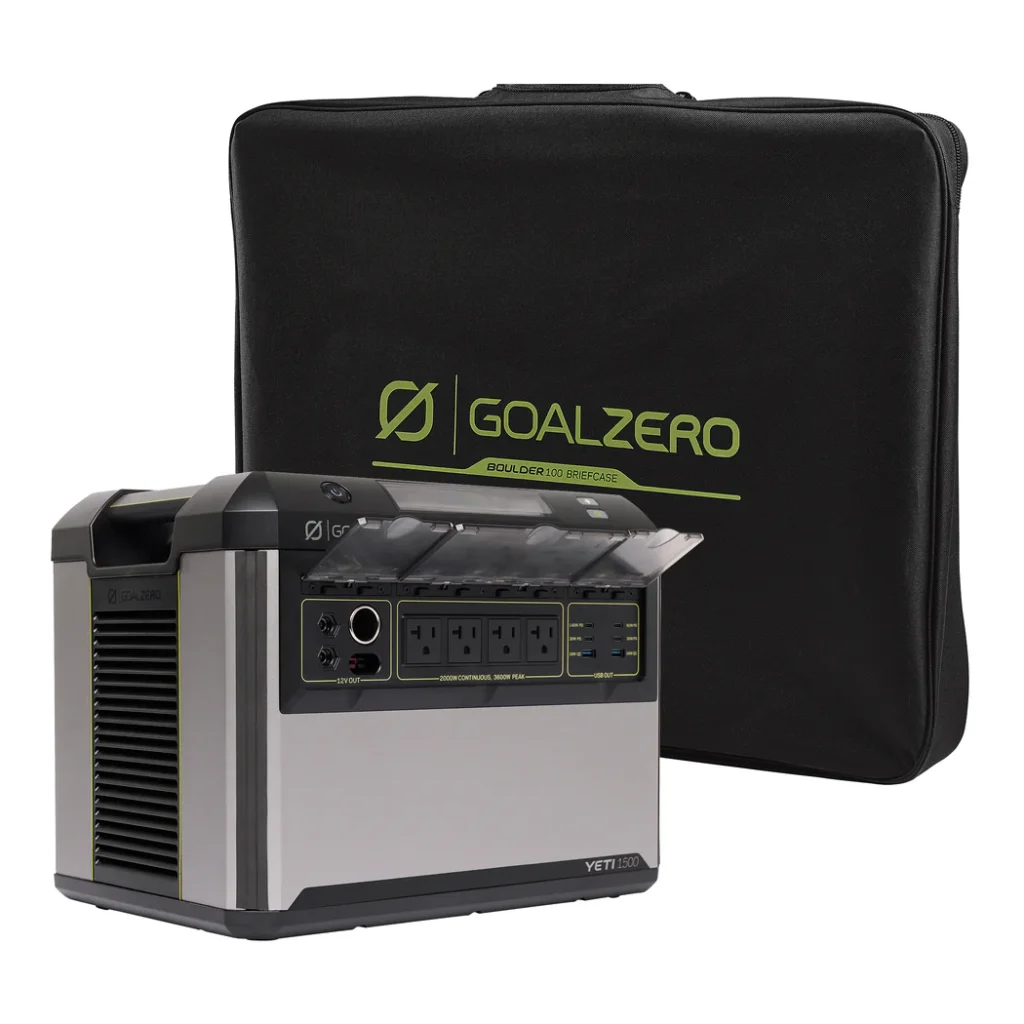
Explore Portable Power for Travel
If you spend a lot of time on the road, a Yeti can be a convenient way to bring extra electricity with you. You can use stored power at campsites or remote locations without always needing an electrical hookup.
Adding solar panels makes the setup even more useful for longer adventures. Instead of looking for an outlet every time the battery gets low, you can use available sunlight to help recharge your system.
Which Goal Zero Solar Generator Should You Choose?
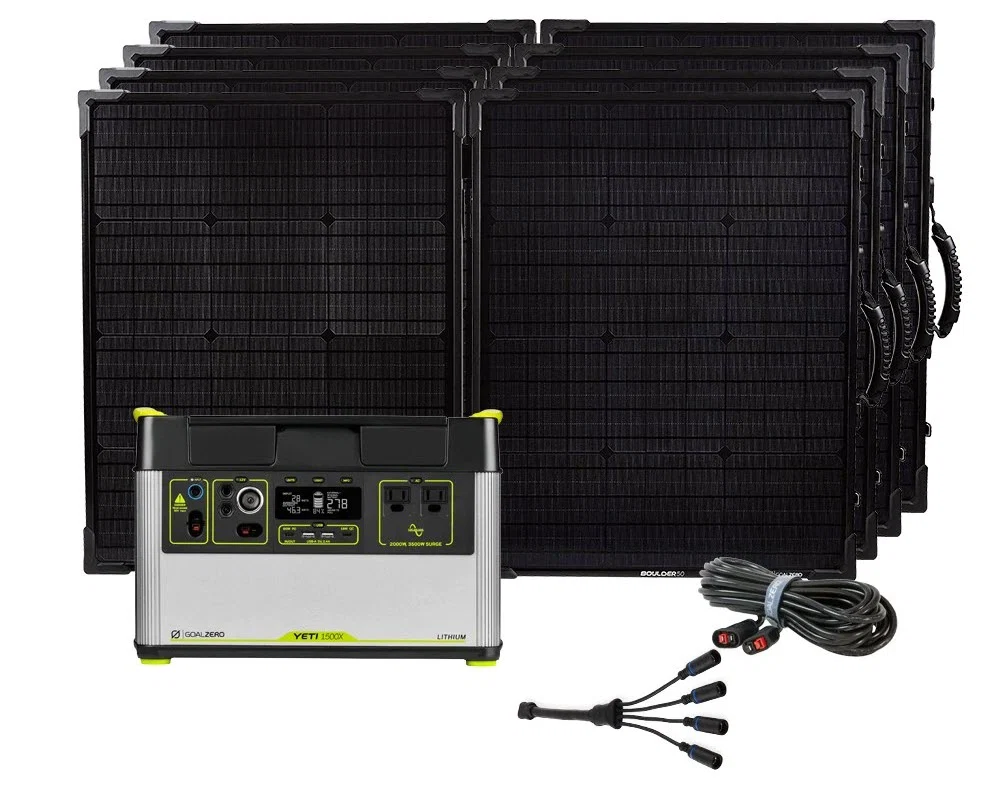
The easiest way to choose is to match the power station to your lifestyle:
For phones, laptops, and small electronics:
Choose a compact Yeti that prioritizes portability and basic charging.
For camping and weekend trips:
A mid-size Yeti can offer a useful balance between capacity and portability.
For RVs and longer off-grid trips:
Look for a larger-capacity model that can support your equipment for longer periods.
For home emergency backup:
Focus on battery capacity, inverter output, charging speed, and solar input rather than simply choosing the smallest or cheapest model.
Final Thoughts
Goal Zero solar generators make renewable backup power much easier to use. Pair a Yeti power station with compatible solar panels, store energy when you can, and use it when you need it—whether that’s at home, on the road, or somewhere far from the grid.
The best model isn’t necessarily the biggest one. It’s the one that gives you enough capacity and output for your actual needs without becoming unnecessarily heavy or expensive. Take a few minutes to work out what you want to power, and choosing the right Goal Zero setup becomes much easier.