
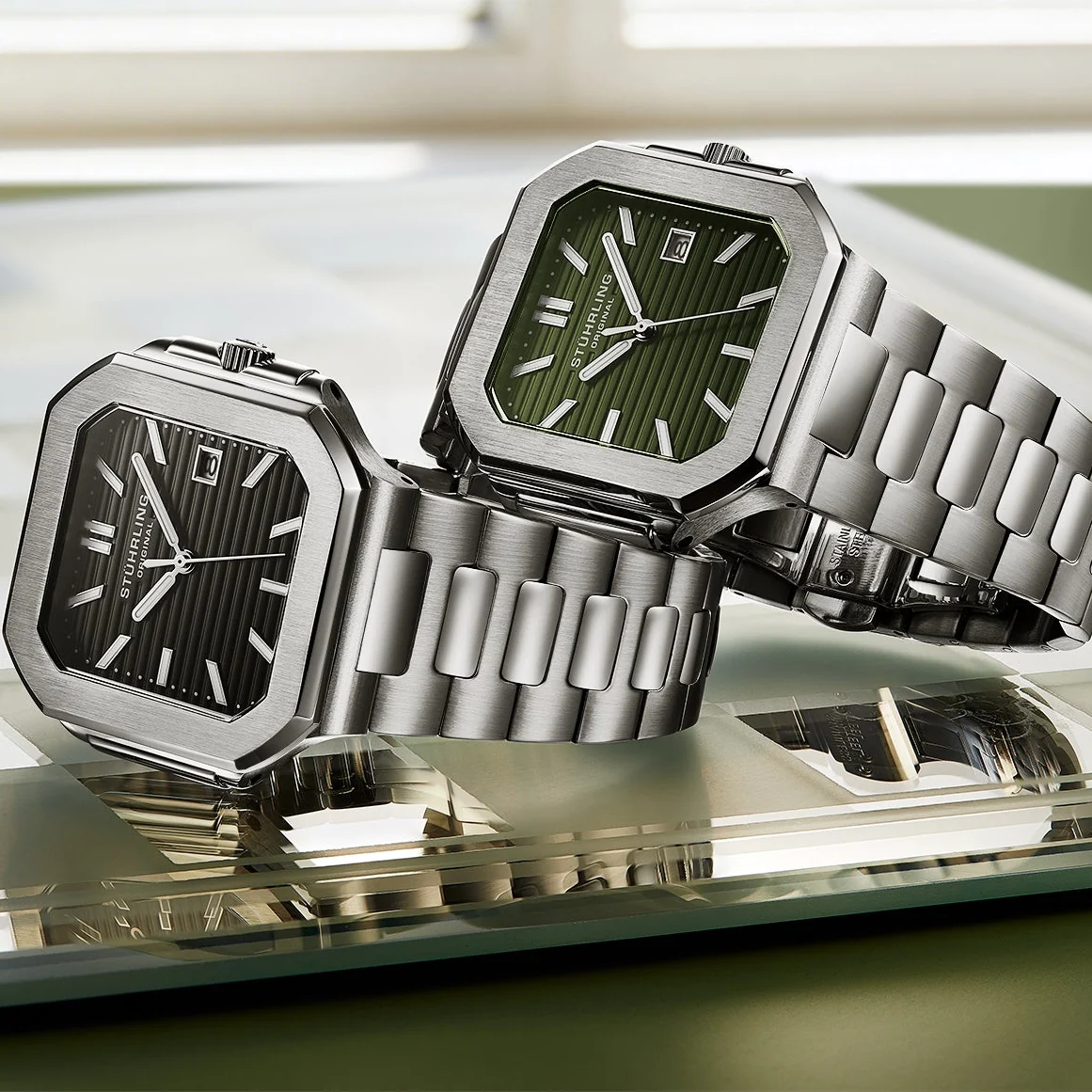
Stuhrling Original: Automatic vs. Quartz Watches—Which One Should You Choose?
Choosing a watch is about more than simply picking a style you like. The movement inside the watch can affect how it works, how much maintenance it needs, and even how it feels to wear. With Stuhrling Original offering different styles, understanding the difference between automatic and quartz watches can make your decision much easier.
What Is an Automatic Watch?
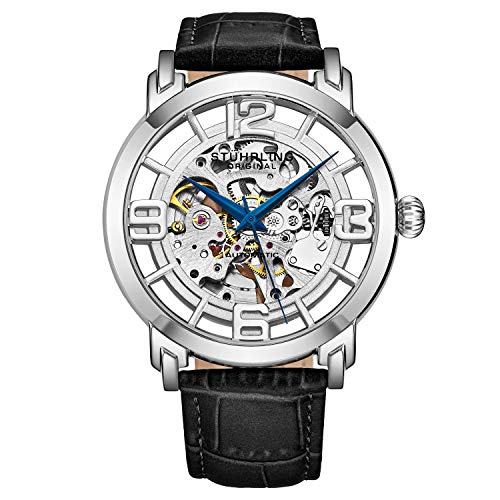
An automatic watch is powered by the movement of your wrist. Inside the case is a rotor that moves as you wear the watch, helping wind the mainspring and keep the movement running. There is no traditional battery involved, which is part of the appeal for many watch enthusiasts.
Automatic watches have a mechanical charm that makes them feel special. You can often appreciate the movement through an exhibition caseback, where the intricate components are visible working together. For someone who enjoys the craftsmanship behind a timepiece, an automatic watch can be a fun addition to a collection.
What Is a Quartz Watch?
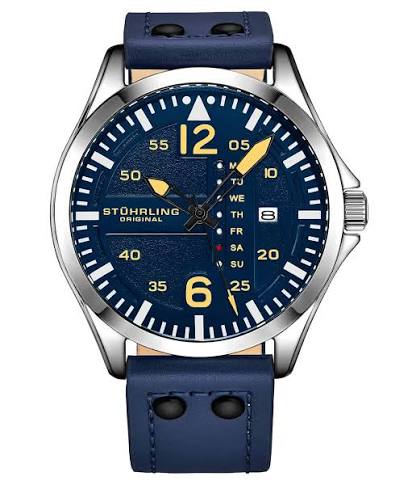
Quartz watches work differently. They use a battery and a quartz crystal to keep time, making them known for reliable and accurate timekeeping. They are also generally simple to operate because you don’t have to wind them or wear them regularly to keep them running.
Quartz is a great choice for people who want a watch they can put on and forget about. Whether you’re heading to work, traveling, or simply going about your daily routine, a quartz watch offers straightforward convenience with very little fuss.
Automatic vs. Quartz: What’s the Difference?
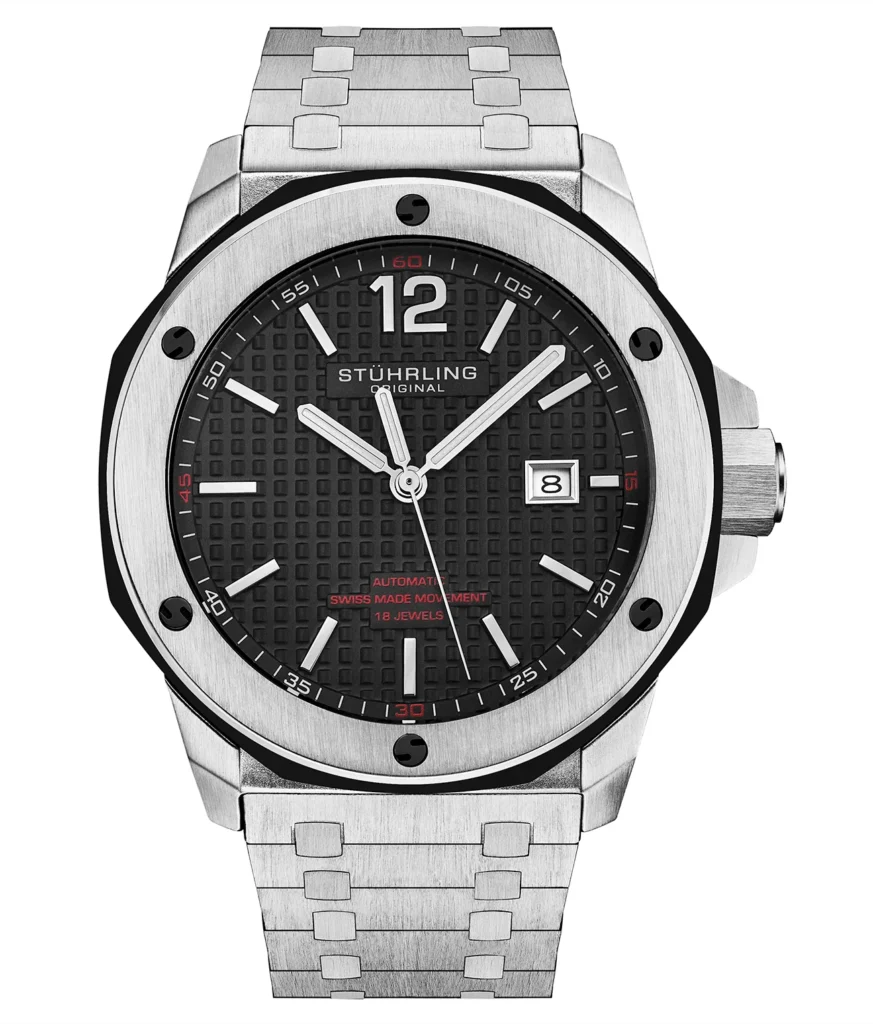
The biggest difference comes down to how each movement is powered and how you interact with it. Automatic watches rely on mechanical components and wrist movement, while quartz watches depend on a battery and electronic regulation.
Here’s a quick comparison:
| Feature | Automatic | Quartz |
|---|---|---|
| Power source | Wrist movement / mechanical winding | Battery |
| Accuracy | Generally good, but can vary | Typically very accurate |
| Maintenance | More involved | Usually minimal |
| Stopping | Can stop when unworn | Battery eventually needs replacement |
| Feel | Traditional and mechanical | Convenient and practical |
| Best for | Watch enthusiasts | Everyday convenience |
Neither movement is automatically “better.” The right choice depends on what you value most in a watch—mechanical craftsmanship, everyday convenience, accuracy, or simply the style that catches your eye.
Why Choose a Stuhrling Original Automatic Watch?
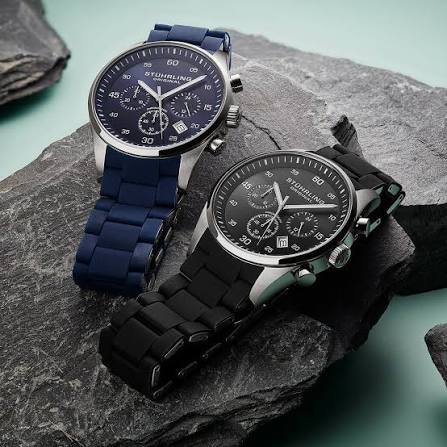
If you enjoy the traditional side of watchmaking, an automatic Stuhrling Original timepiece can be an appealing choice. The mechanical movement gives the watch character, while the visible details and moving components can make wearing it feel like more than simply checking the time.
Automatic watches can also make excellent conversation pieces. Their mechanical movements offer something interesting beneath the dial, making them especially attractive to collectors and people who appreciate the engineering that goes into a traditional watch.
Why Choose a Stuhrling Original Quartz Watch?
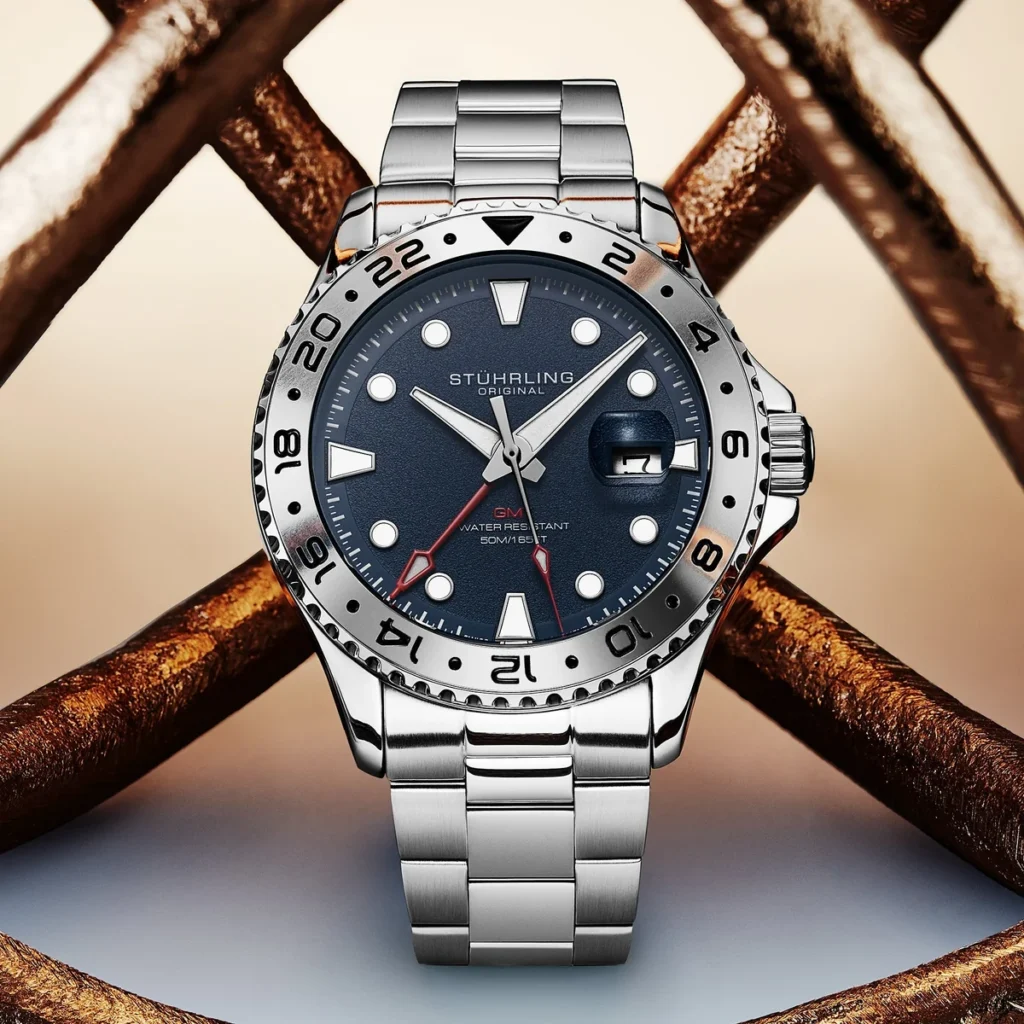
Quartz watches make sense when convenience is your priority. They are easy to wear, dependable for everyday use, and don’t require the same level of attention as a mechanical movement. For a first watch or a reliable daily timepiece, quartz can be a practical option.
A quartz watch can also work well if you rotate between several watches. Since it doesn’t rely on regular wrist movement to stay running, you can leave it in your collection for a while and pick it up later without necessarily needing to reset the movement because it stopped from being unworn.
Which One Is More Accurate?
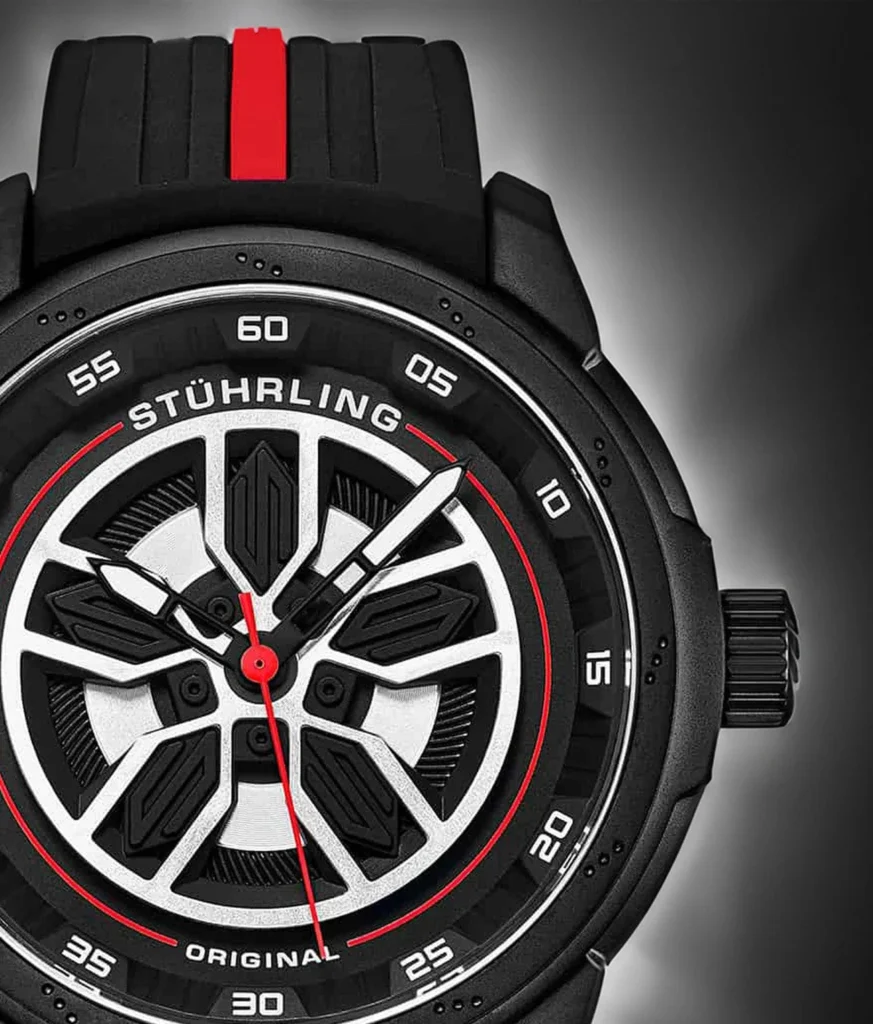
If accuracy is your main concern, quartz generally has the advantage. Its electronic movement is designed to keep time very consistently, which is one reason quartz watches have become so popular for everyday wear.
Automatic watches can still provide dependable timekeeping, but mechanical movements naturally have more variables. Temperature, position, wear, and other factors can influence their performance, so small differences in time are normal with mechanical watches.
Which One Requires More Maintenance?
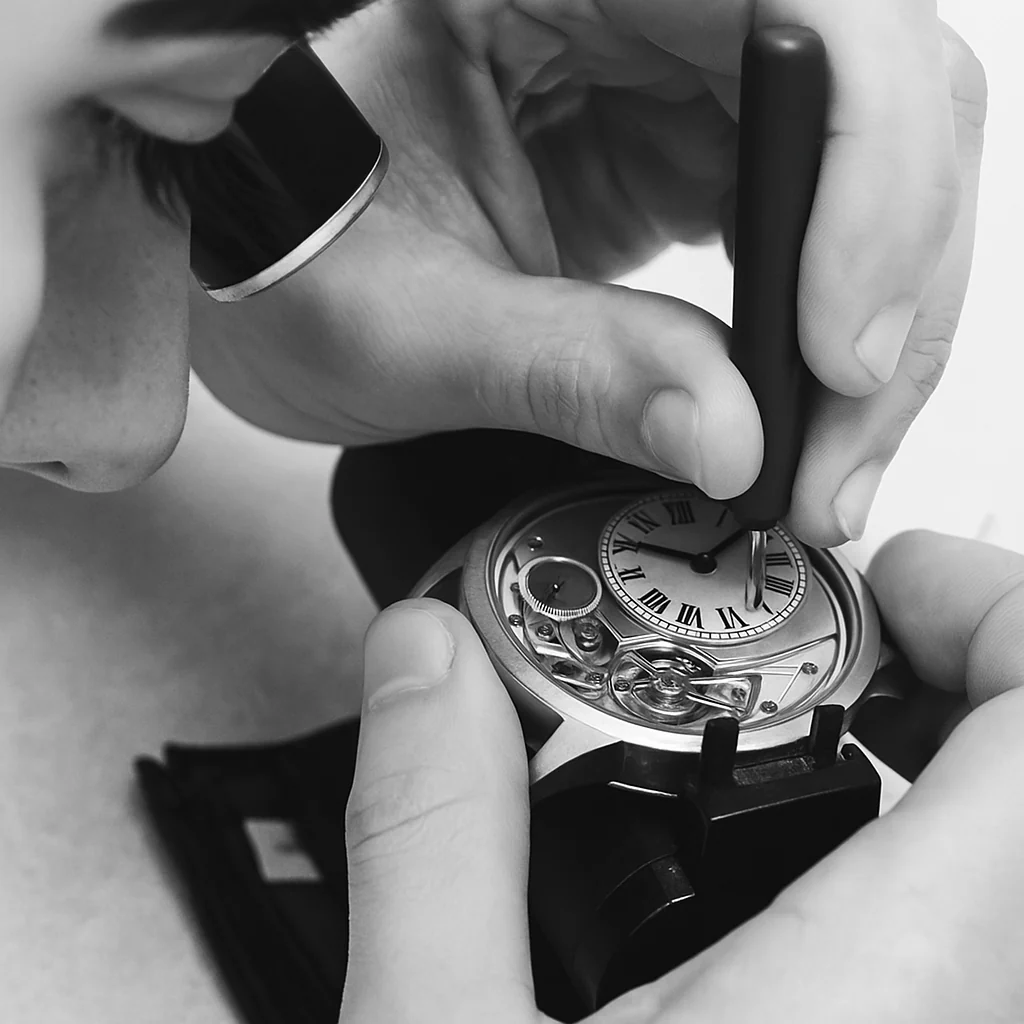
Automatic watches typically need more care than quartz watches. A mechanical movement contains many moving parts, and periodic servicing can help keep everything operating properly over the long term.
Quartz watches are generally easier to maintain. The main routine concern is replacing the battery when it runs out, although the watch itself may still benefit from professional servicing over time depending on its construction and condition.
Which Watch Is Better for You?
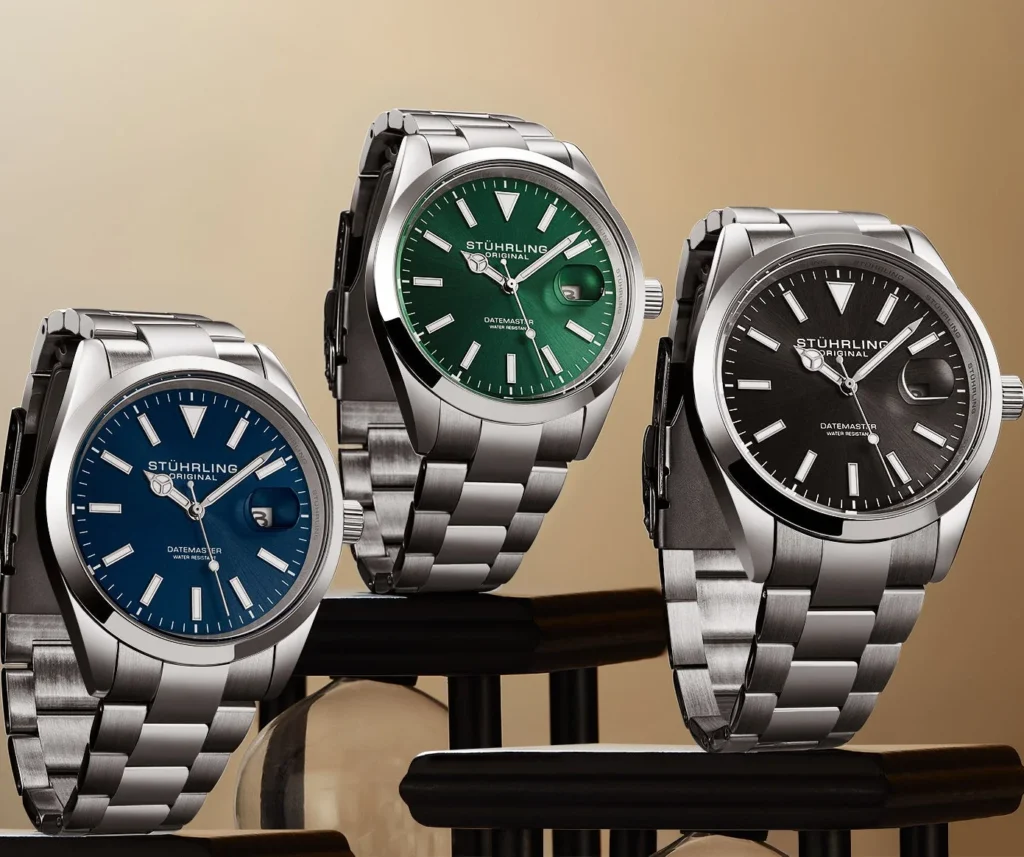
The easiest way to decide is to think about how you plan to wear your watch.
Choose an automatic watch if you:
- Enjoy traditional mechanical watchmaking
- Like seeing the movement inside the watch
- Appreciate craftsmanship and intricate details
- Don’t mind occasional maintenance
- Want a watch with a more traditional mechanical character
Choose a quartz watch if you:
- Want excellent everyday convenience
- Prefer highly consistent timekeeping
- Don’t want to worry about winding or regular wear
- Want a low-maintenance option
- Need a dependable watch for work, travel, or daily activities
Don’t Forget About Style
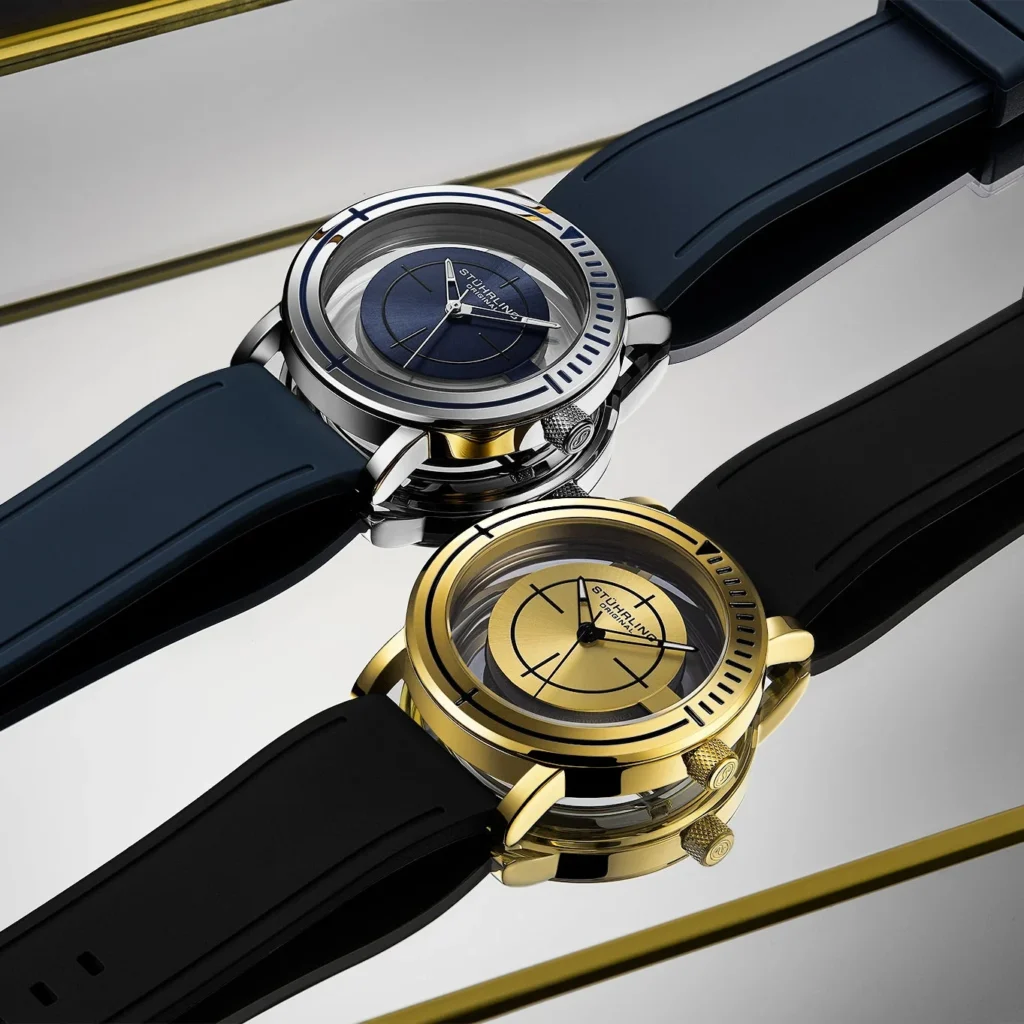
Movement matters, but it shouldn’t be the only thing you consider. A watch is something you’ll likely wear often, so the dial design, case size, strap or bracelet, color, and overall feel should match your personal style.
Think about where you’ll wear it, too. A sleek watch may work beautifully with office clothing, while a bold chronograph or detailed automatic design might suit a more relaxed weekend look. Choosing something versatile can help you get more wear out of your purchase.
Final Thoughts
When comparing Stuhrling Original automatic and quartz watches, there isn’t one universal winner. Automatic watches are ideal for people who love mechanical craftsmanship and the traditional watch experience, while quartz watches are perfect for those who value accuracy, simplicity, and convenience.
The best watch is ultimately the one that fits your lifestyle and feels right on your wrist. Take a look at the designs you like, consider how much maintenance you’re comfortable with, and then choose the movement that makes the most sense for you.