
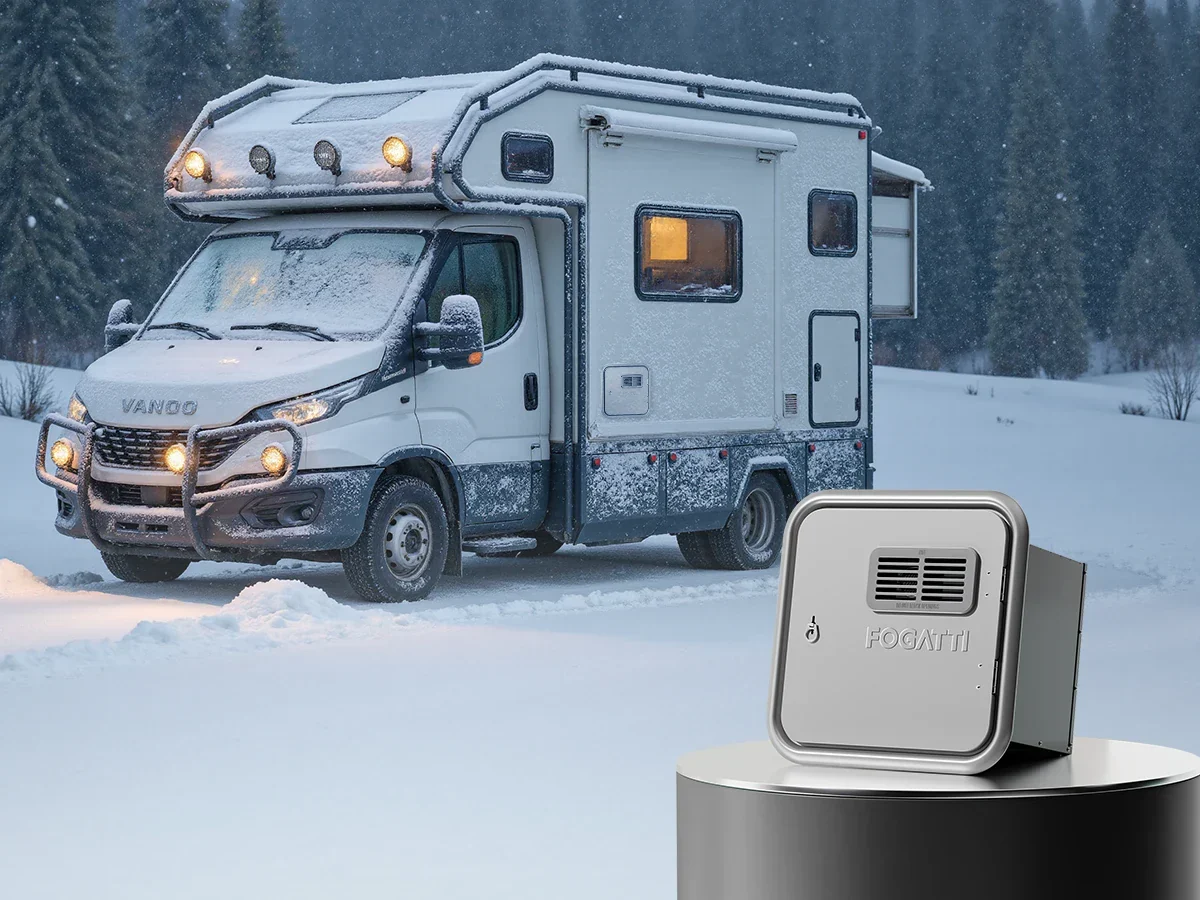
Tankless vs. Tank Water Heaters: Which Fogatti Option Is Right for Your RV?
When you’re traveling in an RV, hot water is one of those comforts you don’t fully appreciate until it’s gone. Whether you’re washing dishes after dinner or taking a shower after a long day on the road, having reliable hot water can make your trip much more enjoyable.
For RV owners, the big question is often whether to stick with a traditional tank water heater or switch to a tankless model. Fogatti offers options designed for RV use, but the right choice depends on your space, travel habits, water needs, and budget.
What Is a Tank Water Heater?
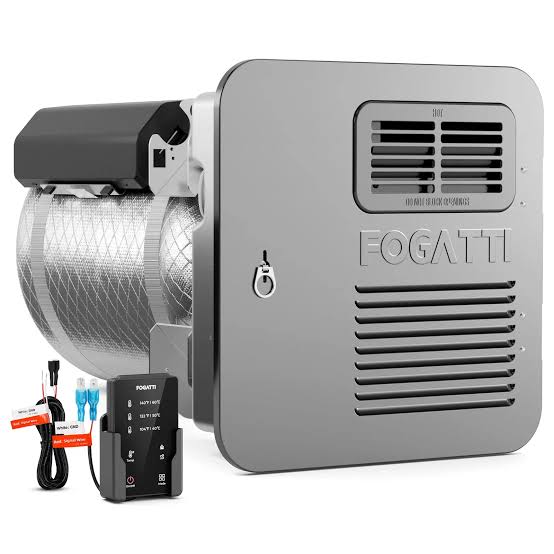
A traditional tank water heater stores a set amount of water and heats it in advance. When you turn on a hot-water faucet, the heated water travels from the tank through your RV’s plumbing system.
The main advantage is simplicity. Tank-style heaters have been used in RVs for years, so many owners are already familiar with how they work and what to expect from them.
However, the tank has a limited capacity. Once the stored hot water is used, you’ll need to wait for the heater to warm another batch. That may not be a major issue for one person, but it can become noticeable when several people need hot water back-to-back.
What Is a Tankless Water Heater?
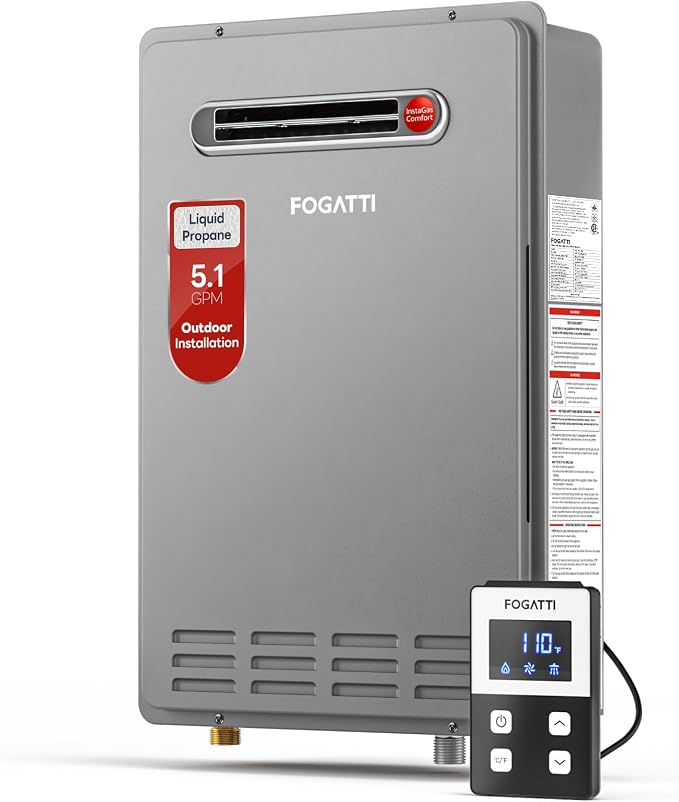
A tankless water heater takes a different approach. Instead of keeping a reservoir of hot water ready, it heats water as it flows through the unit.
That means you don’t have to rely on a fixed tank capacity. As long as the system has the required water and power or fuel supply, it can continue producing hot water while you need it.
Tankless designs can also be more compact, which is helpful when every inch of storage space matters in an RV. For travelers who want a more modern hot-water setup, this can be a big advantage.
Fogatti Tank vs. Tankless: The Key Differences
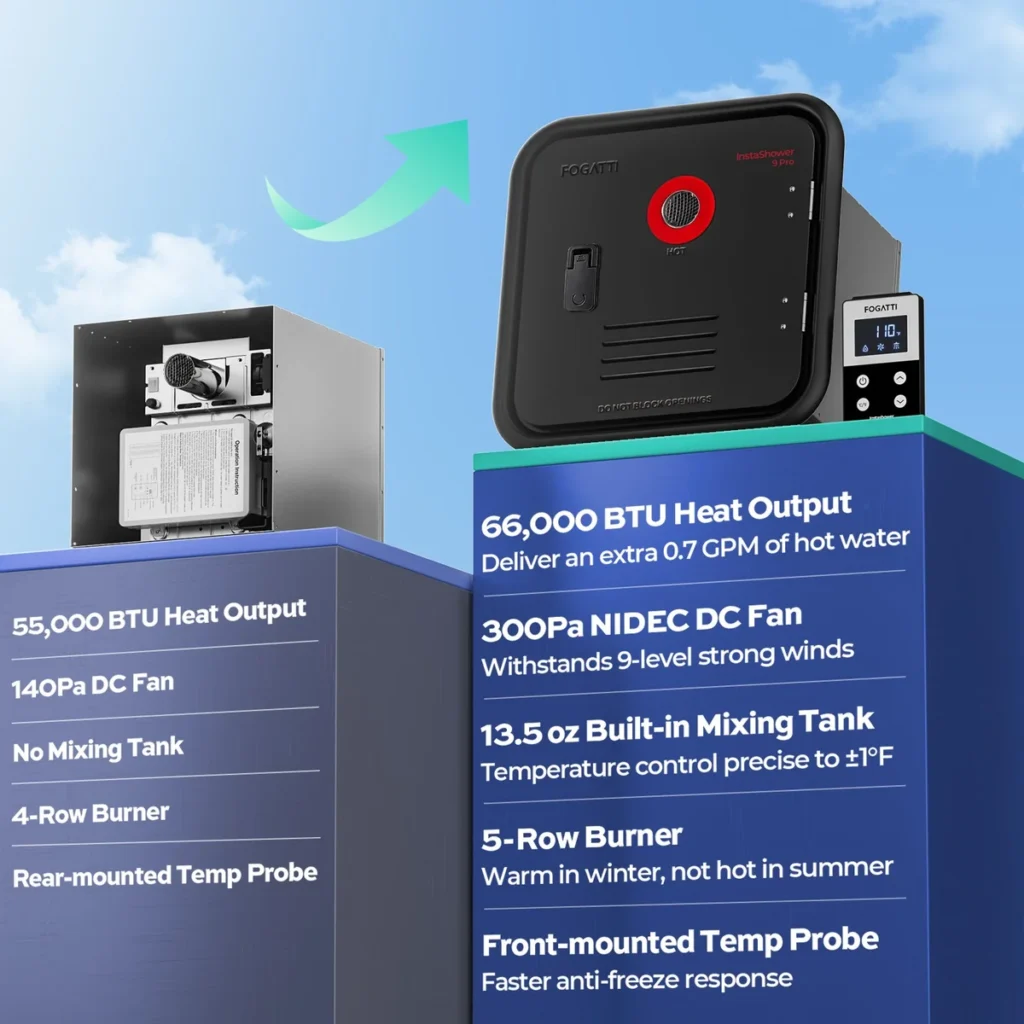
Choosing between the two becomes easier when you look at the features that matter most during RV travel.
1. Hot Water Capacity
A tank model gives you a specific amount of stored hot water. Once that supply is gone, you’ll have to wait for the heater to recover.
A tankless model heats water on demand, so there isn’t the same fixed reservoir to run through. This makes tankless especially appealing for families or RV owners who regularly need longer showers.
2. Space Requirements
RV storage is valuable. A bulky water-heating system can take up room that could otherwise be used for tools, camping equipment, or everyday supplies.
Tankless heaters are generally designed with a compact footprint, making them an attractive choice when you’re trying to make better use of limited space.
3. Convenience
Tank water heaters are straightforward and familiar, but you need to think about how much hot water you have available. If everyone showers one after another, the last person may have to wait.
With a tankless system, hot water is produced as needed. That on-demand approach can make daily RV life feel a little easier, especially on busy travel days.
4. Energy Use
A traditional tank may periodically heat stored water even when you aren’t actively using it. A tankless system focuses on heating water when there is demand.
Actual energy consumption will depend on the specific Fogatti model, fuel source, water temperature, flow rate, and how often you use hot water. It’s worth checking the specifications of the model you’re considering before making a decision.
Which Fogatti Option Is Better for Full-Time RV Living?
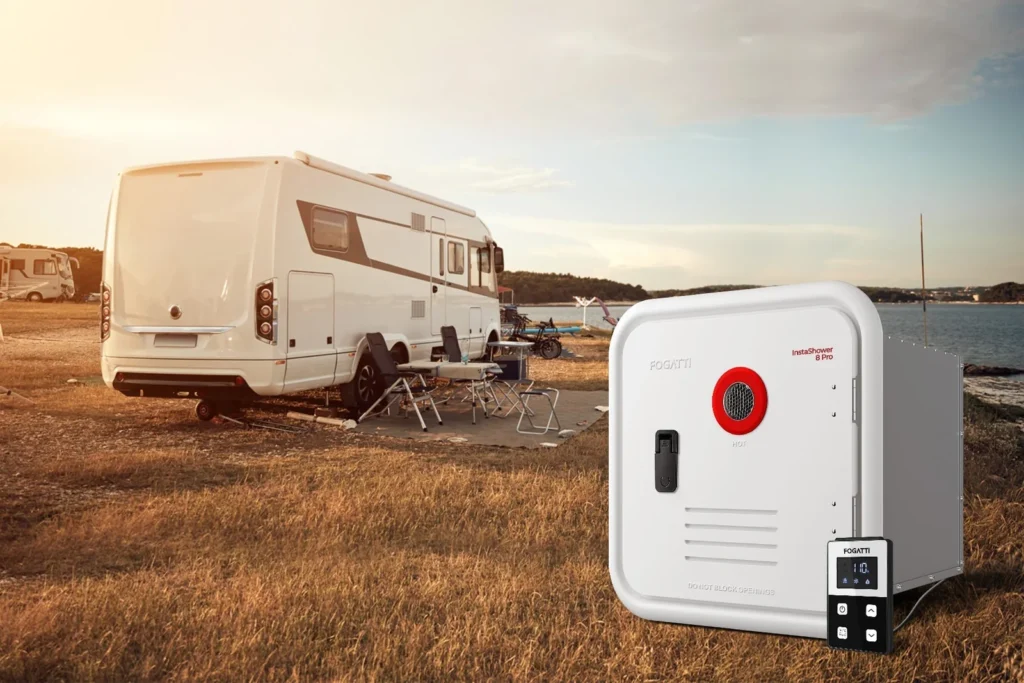
If your RV is essentially your home on wheels, having a consistent hot-water supply can become a priority. Tankless heating can be particularly appealing for full-time travelers who use their RV shower, kitchen, and bathroom regularly.
A tankless system can also reduce the need to plan showers around the heater’s recovery time. For couples, families, or anyone who spends extended periods on the road, that added convenience can make a noticeable difference.
When Does a Tank Water Heater Make More Sense?
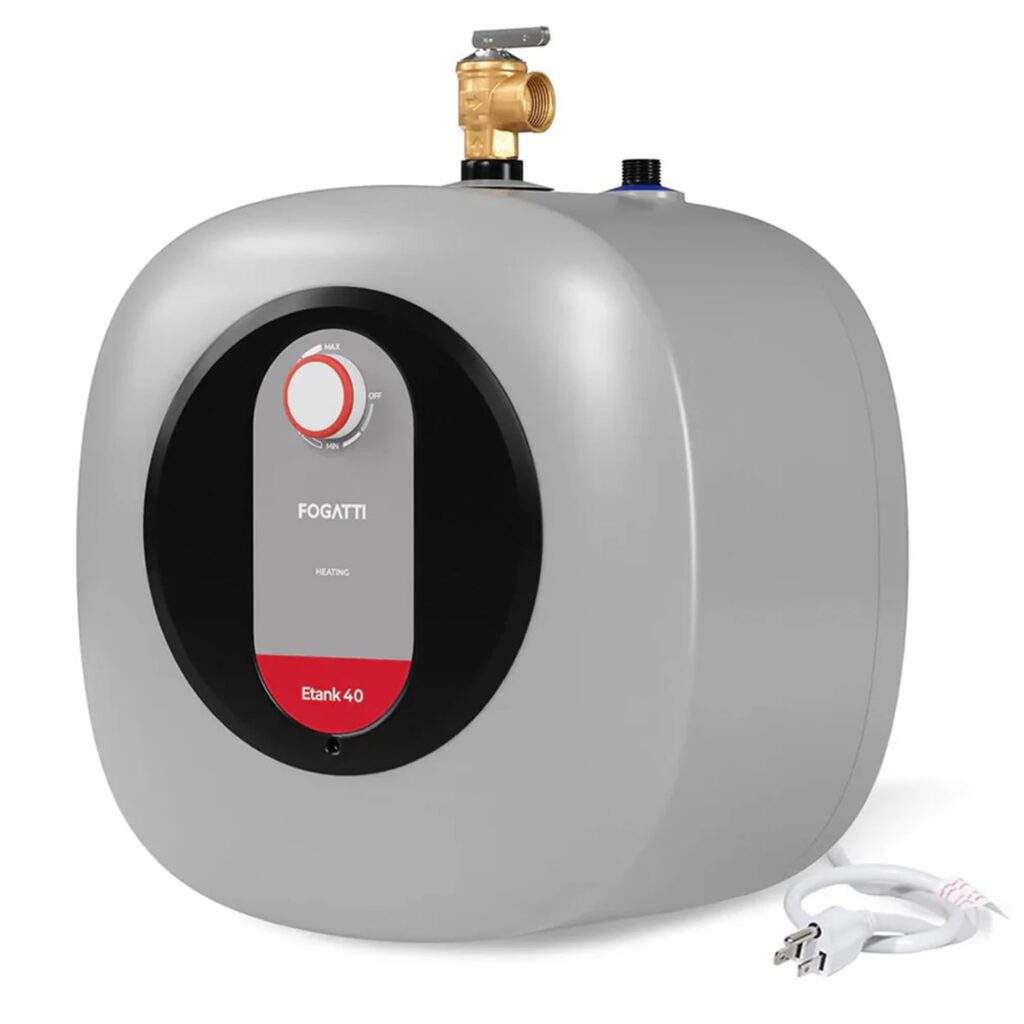
Tankless isn’t automatically the best choice for every RV. If you take short trips, travel alone, or already have a tank system that works well for your needs, replacing it may not be necessary.
A tank-style heater can be a practical choice for RV owners who prefer a familiar system and don’t regularly run out of hot water. Sometimes, the best upgrade is simply the system that fits your current routine.
When Should You Choose a Fogatti Tankless Water Heater?
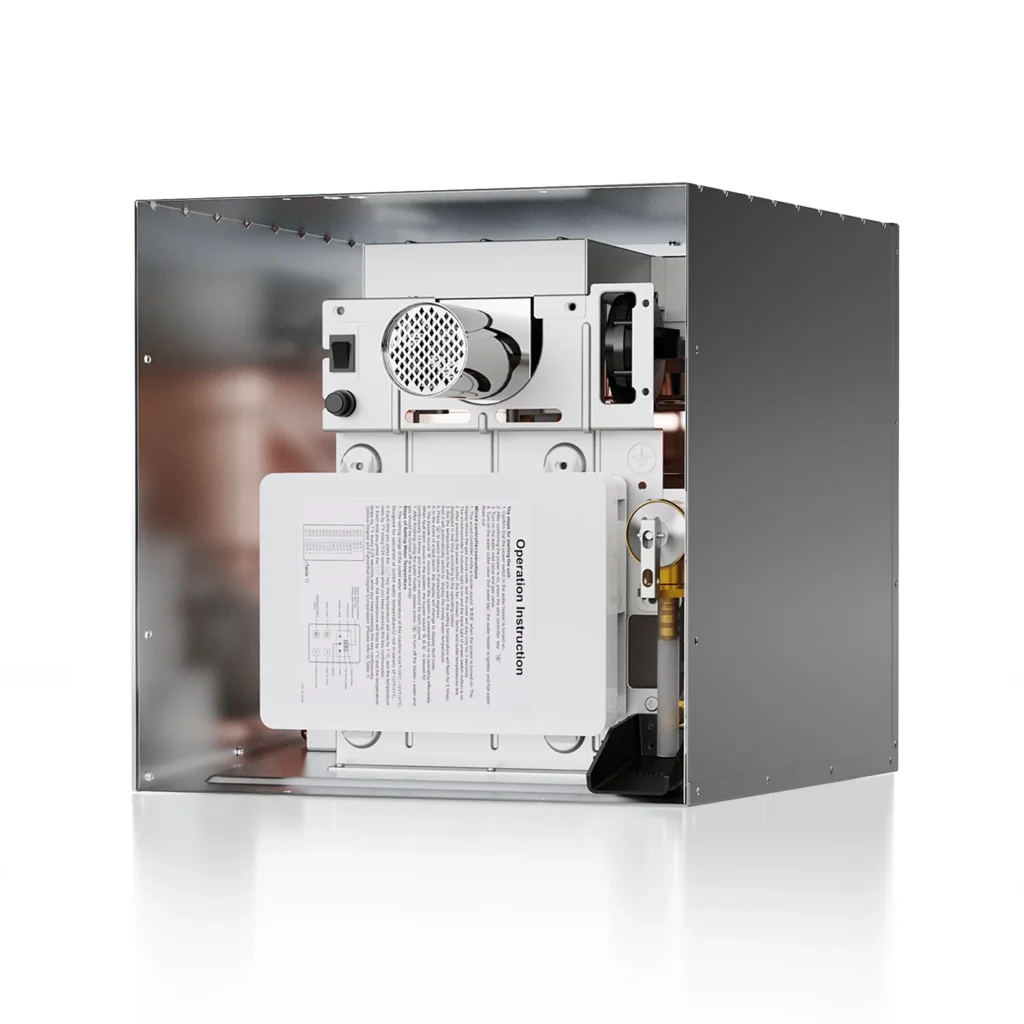
A Fogatti tankless model may be worth considering if you want on-demand hot water, a compact design, and less dependence on a fixed tank capacity. It can be especially useful for longer trips and RVs with multiple people using hot water throughout the day.
Before buying, check your RV’s existing setup, including the available power or fuel connection, plumbing configuration, installation space, and the requirements of the specific Fogatti model. Getting the right match is just as important as choosing between tank and tankless.
Quick Comparison: Tank vs. Tankless
| Feature | Tank Water Heater | Tankless Water Heater |
|---|---|---|
| Hot water supply | Stored in a tank | Heated on demand |
| Capacity | Limited by tank size | No fixed storage tank |
| Space | Usually larger | Generally more compact |
| Recovery time | Needed after hot water runs out | Designed for continuous on-demand heating |
| Familiarity | Traditional RV setup | Modern alternative |
| Best for | Light or occasional use | Frequent or extended hot-water use |
The better option ultimately comes down to how you use your RV. A tank heater can be perfectly practical for occasional travelers, while a tankless model may be more attractive if convenience, space, and on-demand hot water are high on your list.
Final Thoughts
There’s no universal winner in the tank-versus-tankless debate. Your ideal Fogatti water heater depends on your RV, travel style, hot-water habits, and installation requirements.
If you want a familiar setup with stored hot water, a tank system may be all you need. But if you prefer the convenience of heating water as you use it and want to make the most of your RV’s limited space, a Fogatti tankless option could be the better fit.
Before making your final decision, take a look at your current water-heating system and think about what frustrates you most. If running out of hot water or limited space is a regular problem, switching to tankless could be a worthwhile RV upgrade.