
Thunder Mountain Bikes: What to Look for Before Buying Your Next Mountain Bike
Buying a mountain bike is exciting, but it can also feel a little overwhelming. With so many frame styles, wheel sizes, suspension setups, and features available, it’s easy to focus on looks and forget what actually matters on the trail. Thunder Mountain Bikes can be a great starting point when you’re comparing your options and trying to find a bike that matches the way you ride.
Start With the Type of Riding You Do
Before looking at specific bikes, think about where you’ll actually ride. A bike for smooth park trails doesn’t need the same setup as one designed for rocky climbs, steep descents, or technical singletrack. Your riding style should guide almost every other decision you make.
Ask yourself a few simple questions:
- Do you mainly ride local trails?
- Are you interested in cross-country riding?
- Do you enjoy technical downhill sections?
- Will you ride mostly on dirt, gravel, or mixed surfaces?
- Are you planning longer weekend adventures?
Once you know what kind of riding you enjoy, it becomes much easier to narrow down your choices.
Compare Your Options →
Pay Attention to Frame Size
Getting the right frame size is one of the most important parts of buying a mountain bike. Even a high-quality bike can feel uncomfortable or difficult to control if the frame doesn’t fit you properly. Your height is a useful starting point, but inseam length, reach, and riding position also matter.
A properly sized bike should feel natural when you’re sitting, standing, climbing, and descending. If possible, test ride the bike before buying it. A few minutes on the trail—or even around a parking lot—can tell you a lot about how comfortable the setup feels.
Get the Right Fit →
Choose the Right Wheel Size
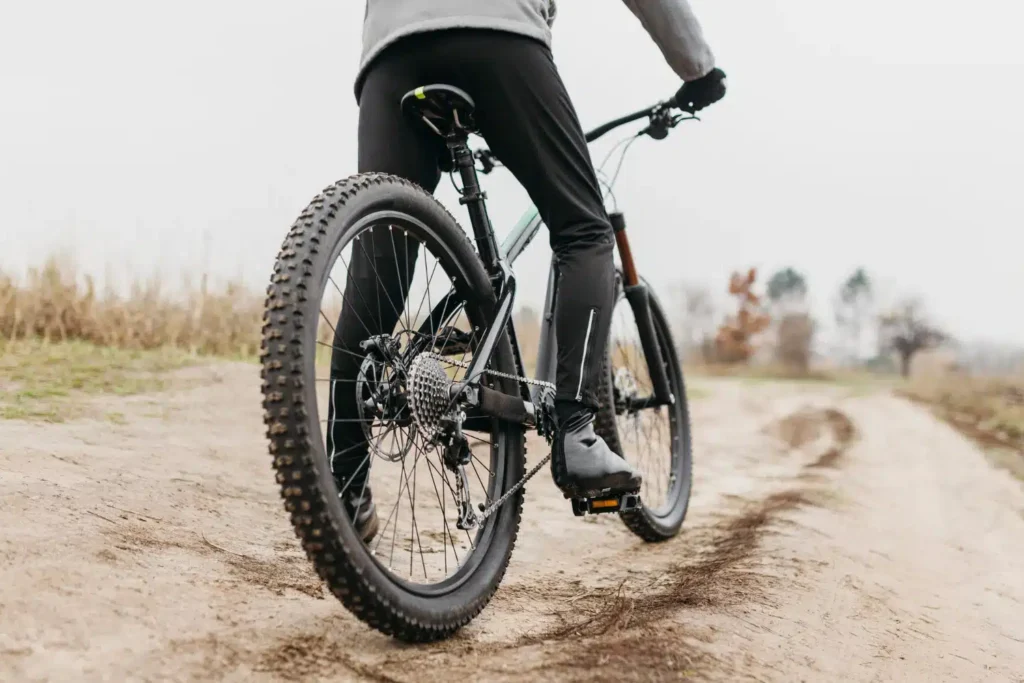
Wheel size can change the way a mountain bike handles. Larger wheels generally roll more easily over rocks, roots, and uneven sections, while smaller wheels can feel more nimble and playful.
The best choice depends on your height, riding style, and personal preference. Don’t choose a wheel size simply because it’s popular. Think about how you want the bike to feel underneath you.
Explore Wheel Options →
Look at the Suspension Setup
Suspension is another feature worth paying close attention to. Hardtail mountain bikes have suspension at the front, while full-suspension bikes have both front and rear suspension.
A hardtail can be lighter, simpler, and easier to maintain, making it a practical choice for many riders. Full-suspension bikes offer more comfort and control on rougher terrain, especially when trails get rocky or technical.
Compare Suspension Choices →
Don’t Ignore the Brakes
Mountain biking can involve fast descents and sudden changes in terrain, so reliable brakes are essential. Hydraulic disc brakes are common on many modern mountain bikes because they offer strong stopping power and good control.
Think beyond simply having “good brakes.” Consider how and where you ride. If you regularly tackle steep or technical trails, dependable braking performance becomes even more important.
Learn More About Bike Features →
Check the Gearing
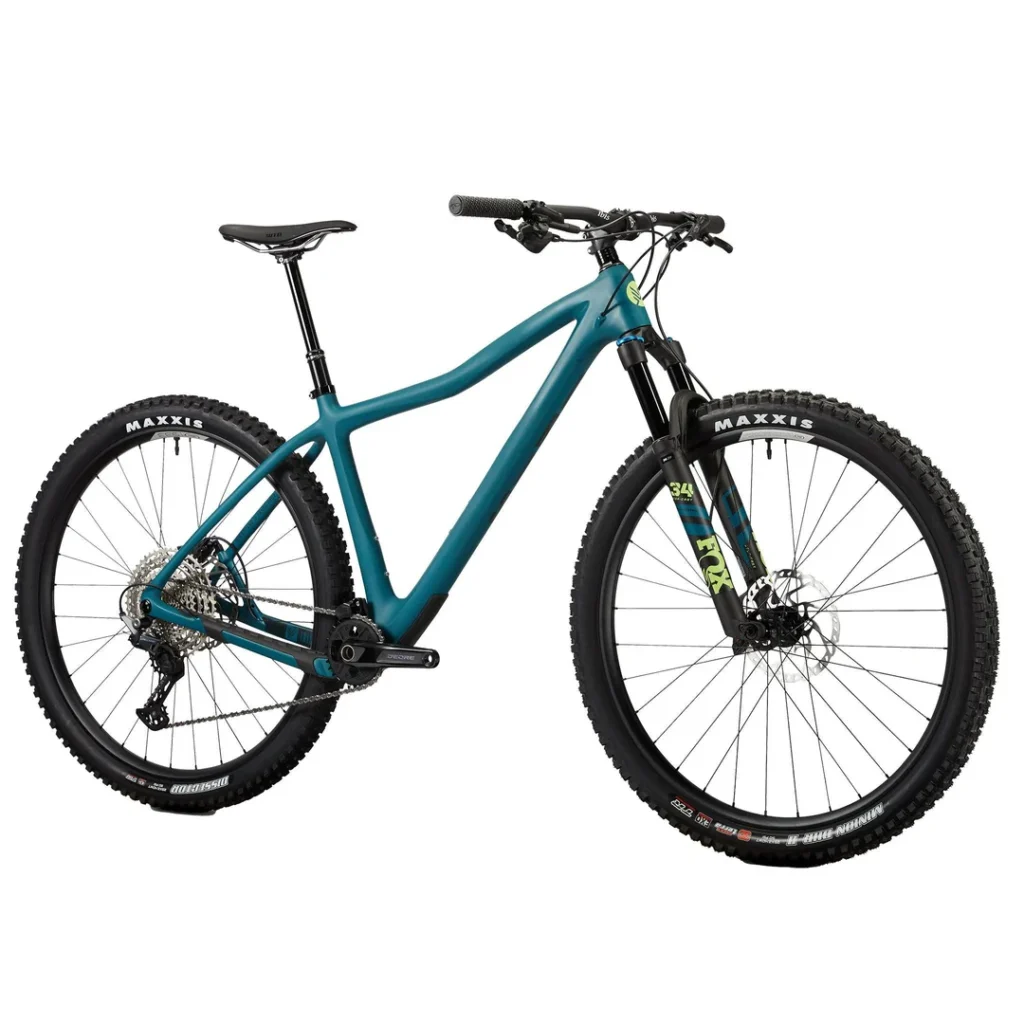
Your bike’s gearing can make a noticeable difference when you’re climbing. A wide range of gears gives you more flexibility when moving between flat sections, steep climbs, and faster descents.
If your local trails include long or challenging climbs, make sure the drivetrain gives you an easy enough gear to keep your cadence comfortable. You don’t want to spend the entire climb wishing you had one more gear.
Compare Drivetrain Features →
Consider the Tires and Contact Points
Tires are often overlooked when people shop for a mountain bike, but they have a huge impact on grip and handling. Wider, more aggressive tread can provide additional traction on loose or muddy trails, while faster-rolling tires may suit smoother terrain.
Also pay attention to the saddle, handlebars, and grips. These are the parts you interact with constantly, so comfort matters more than many new riders expect.
Explore Trail-Ready Features →
Think About Maintenance
A mountain bike is built to handle demanding terrain, but it still needs regular care. Before buying, consider how easy it will be to maintain the suspension, drivetrain, brakes, and other components.
It’s also worth checking whether replacement parts and servicing are easy to find. A bike that’s simple to maintain can save you time, money, and frustration down the road.
Learn About Bike Care →
Set a Realistic Budget
It’s tempting to spend as much as possible when buying your next mountain bike, but the most expensive option isn’t automatically the best one for you. Focus on the features that actually improve your riding experience.
Leave some room in your budget for essentials such as a helmet, gloves, pedals, repair tools, spare tubes or tubeless supplies, and basic maintenance. Those extras can quickly add up.
Shop Within Your Budget →
Think About Where You’ll Be Riding Next Year
Don’t only buy for the rider you are today. If you’re getting more serious about mountain biking, your needs may change as your skills improve.
A bike that gives you room to progress can be a smarter investment than buying an entry-level model you’ll quickly outgrow. Consider the types of trails you’d like to tackle in the future, not just the ones you currently ride.
Find a Bike You Can Grow With →
Final Thoughts
Choosing your next mountain bike doesn’t have to be complicated. Start with your riding style, find the right frame size, consider wheel and suspension options, and pay attention to important components such as brakes, gearing, and tires.
Most importantly, choose a bike that makes you want to get outside and ride. When you take the time to compare your options and focus on what genuinely suits your needs, finding the right Thunder Mountain Bikes setup becomes much easier.