
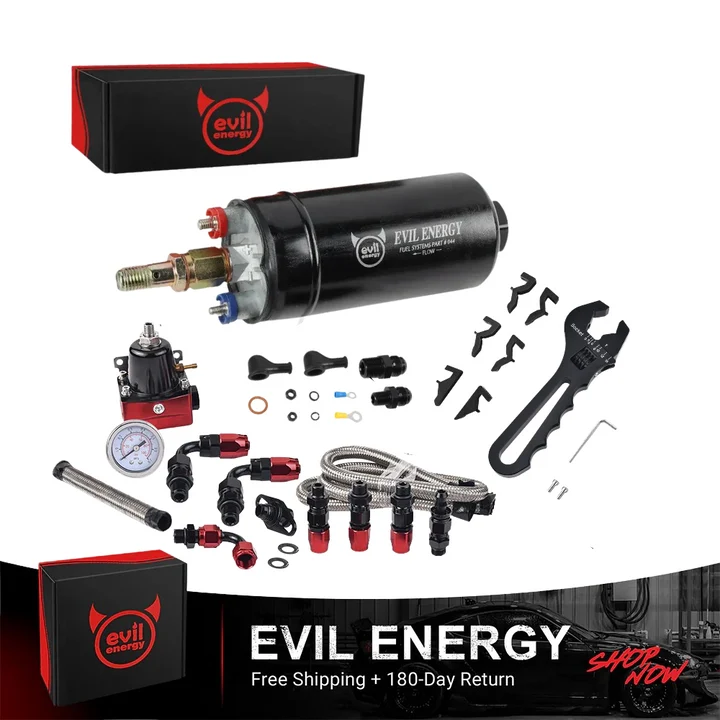
Building an EFI Fuel System with Performance Parts From Evil Energy
When you’re upgrading an engine, the fuel system is one area you don’t want to overlook. A well-built EFI (Electronic Fuel Injection) system can help deliver consistent fuel flow, support engine performance, and make tuning easier. With the right components from Evil Energy, you can build a setup that fits your project instead of simply piecing together whatever parts are available.
What Is an EFI Fuel System?
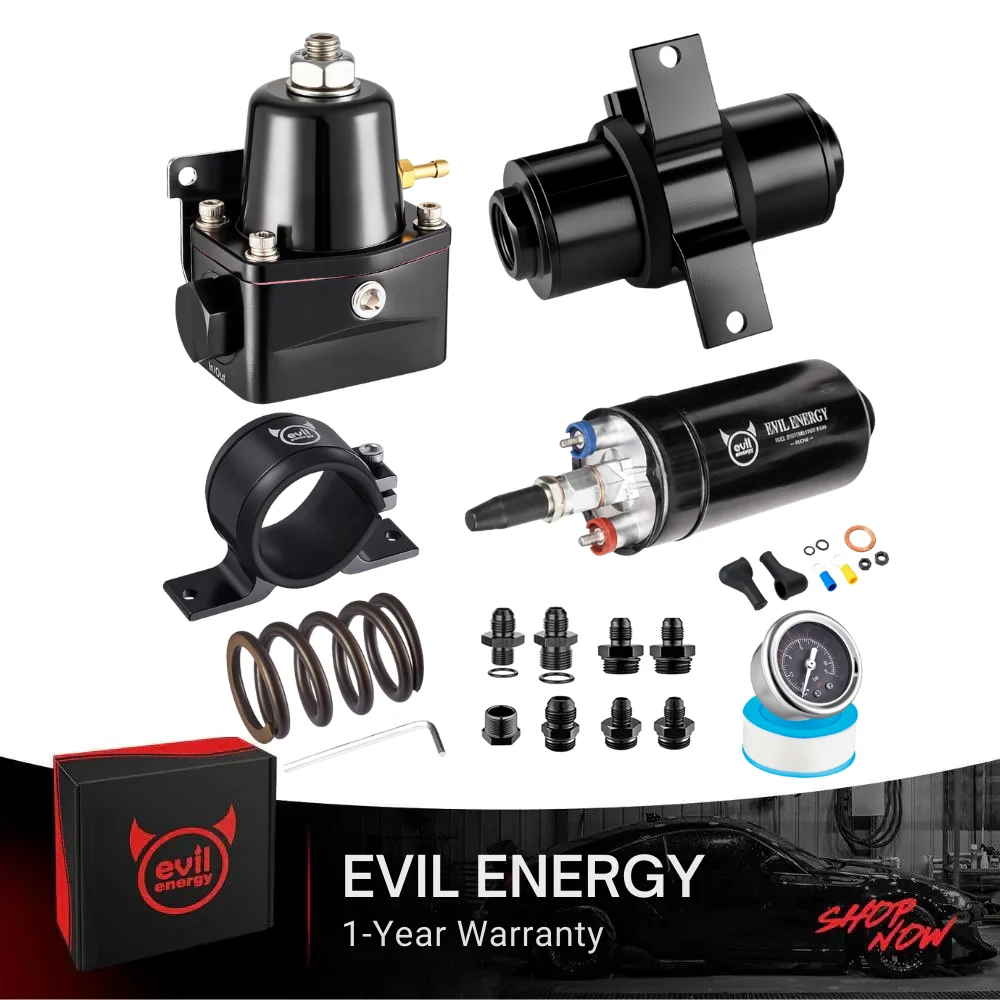
An EFI fuel system uses electronic controls to manage how fuel is delivered to the engine. Unlike older carbureted setups, EFI systems can adjust fuel delivery based on information from sensors and the engine’s operating conditions. The result is a more controlled and consistent fuel supply.
A typical EFI setup can include a fuel pump, fuel lines, fittings, fuel filter, fuel rail, pressure regulator, and other supporting hardware. Every component has a job, so choosing compatible parts is important when putting the system together.
Why Upgrade Your Fuel System?
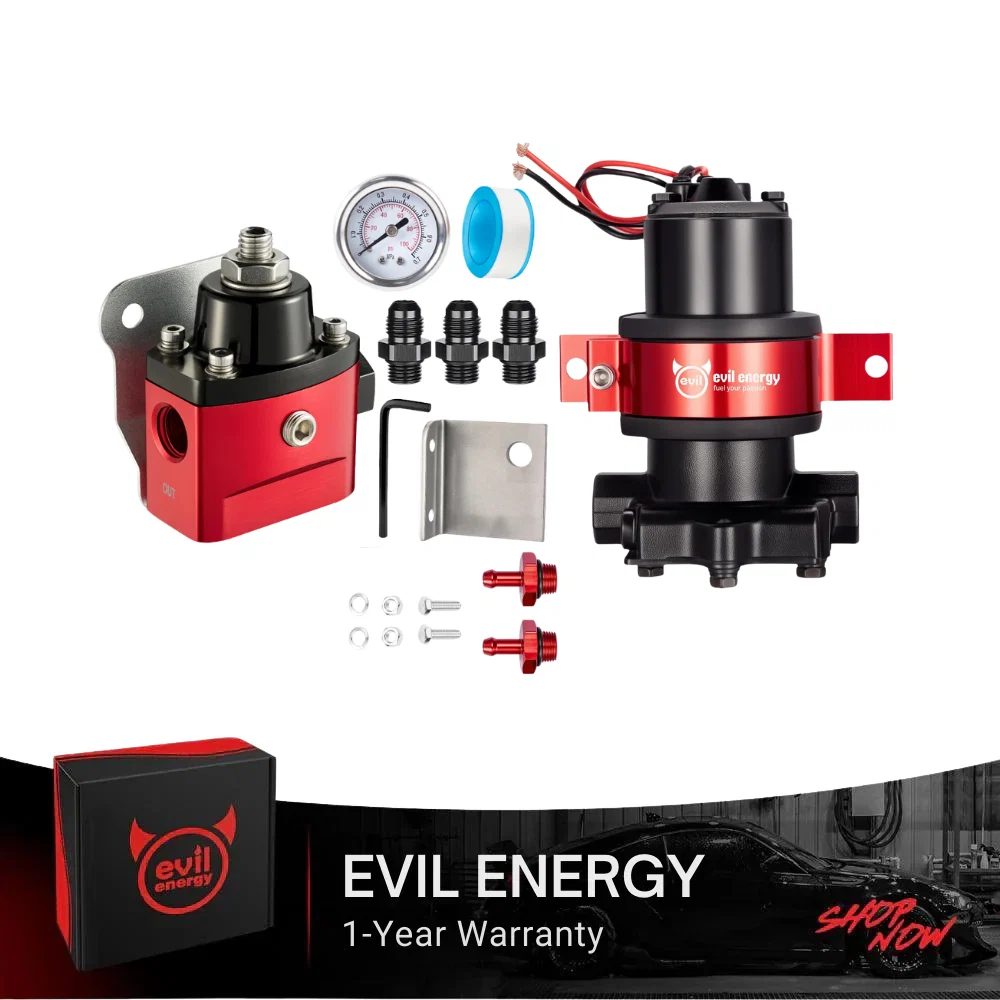
A factory fuel system may work perfectly well for a stock engine, but modifications can change what your engine needs. More horsepower, forced induction, larger injectors, or other performance upgrades can increase fuel demand.
If the fuel system can’t keep up, you may run into inconsistent fuel delivery or pressure problems. Building the system around your engine’s actual requirements gives you a much better starting point for reliable performance.
Start with the Fuel Pump
The fuel pump is one of the most important parts of an EFI system. Its job is to move fuel from the tank to the rest of the system at the pressure and flow rate your engine requires.
When selecting a pump, don’t simply choose the biggest option you can find. Consider your engine’s horsepower, fuel type, pressure requirements, and future modifications. A properly matched pump can provide the fuel supply you need without creating unnecessary complications.
Choose the Right Fuel Lines
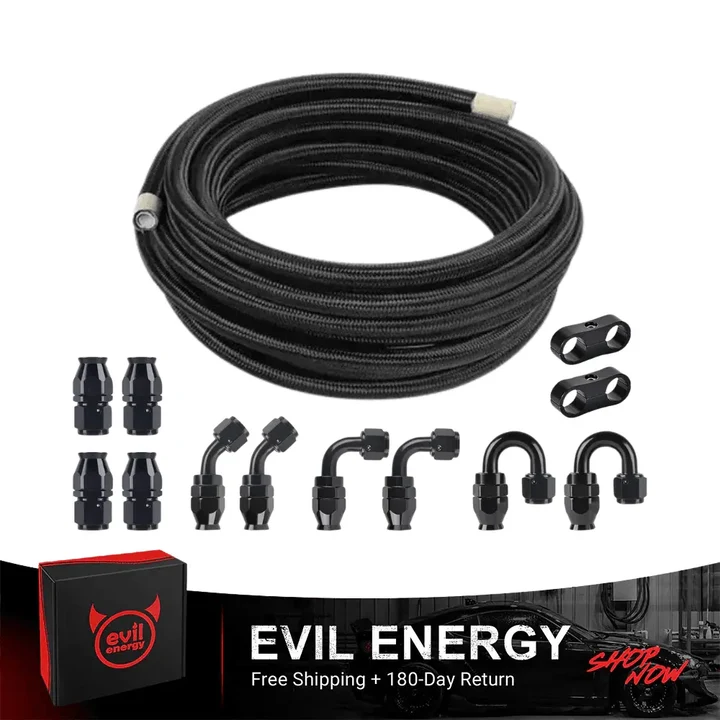
Fuel lines are another major part of the equation. They need to handle the pressure, fuel type, temperature, and conditions of your particular application. Quality lines can also make installation cleaner and easier.
When planning your routing, keep the lines away from excessive heat and moving components. Take your time with the layout and make sure connections are secure before putting the system into service.
Don’t Forget the Fittings
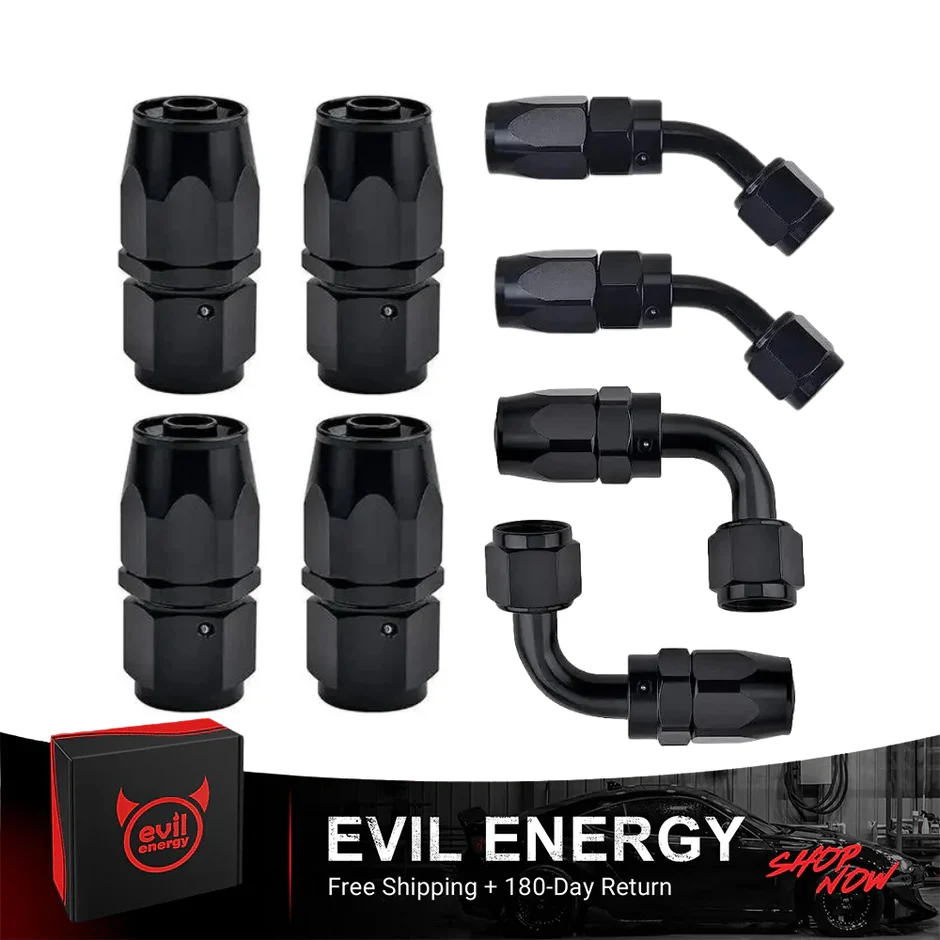
Fittings might look like small details, but they play a big role in putting an EFI system together. AN fittings, adapters, connectors, and other hardware allow you to connect different components while creating a clean installation.
The key is compatibility. Check thread sizes, fitting types, line sizes, and connection points before ordering parts. A little planning here can save you from discovering halfway through the installation that two components don’t match.
Add A Quality Fuel Filter
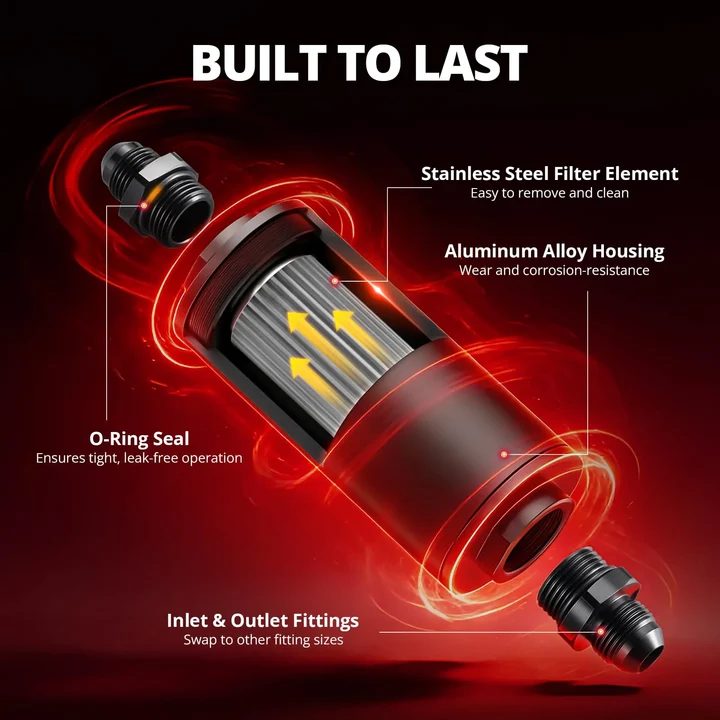
A fuel filter helps keep unwanted particles and debris away from sensitive fuel-system components and injectors. It’s a simple addition that can play an important role in maintaining a clean fuel supply.
Choose a filter that suits your EFI system and fuel requirements, and install it in an accessible location whenever possible. That makes future inspection or replacement much easier.
Consider a Fuel Pressure Regulator
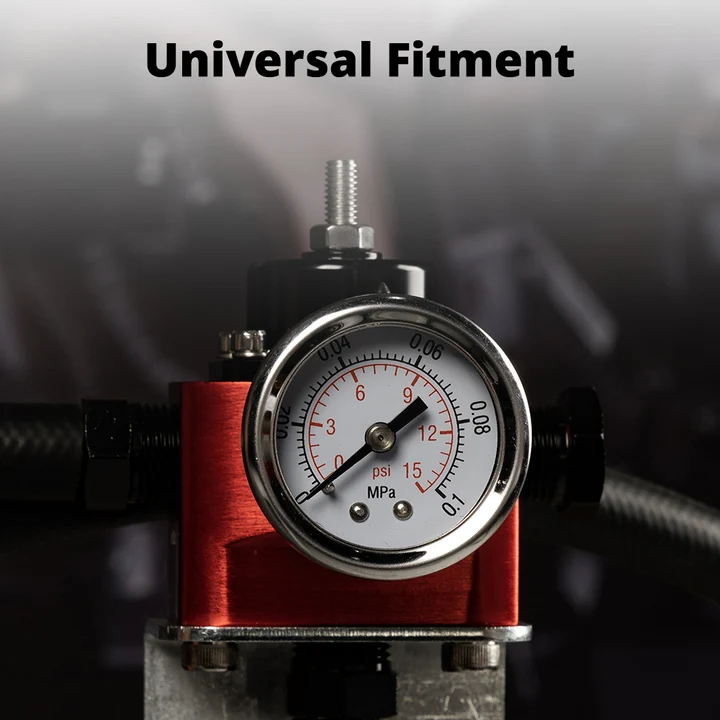
Fuel pressure needs to stay within the range required by your injectors and engine management system. A fuel pressure regulator helps control pressure and can be an important part of a properly designed EFI setup.
Before choosing one, check the requirements of your injectors, fuel pump, and engine management system. Matching these components correctly helps create a balanced fuel system rather than one where individual parts are working against each other.
Think About the Complete System
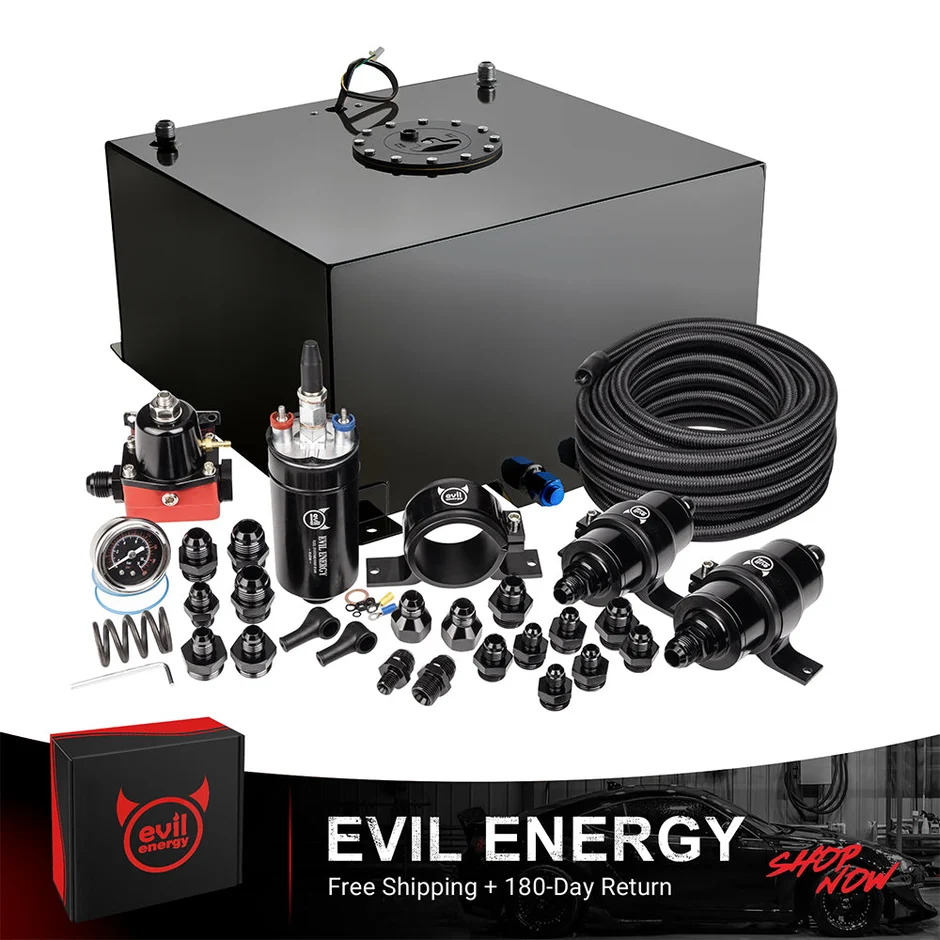
One common mistake is buying fuel-system components individually without considering how they work together. Your pump, lines, fittings, filter, regulator, injectors, and engine management system should all be selected as parts of the same overall setup.
It helps to make a simple parts list before you start buying. Consider:
- Engine horsepower and goals
- Fuel type
- Required fuel pressure
- Fuel-line size
- Pump flow requirements
- Injector requirements
- Fitting and thread sizes
- Available installation space
- Future performance upgrades
Installing Your EFI Fuel System
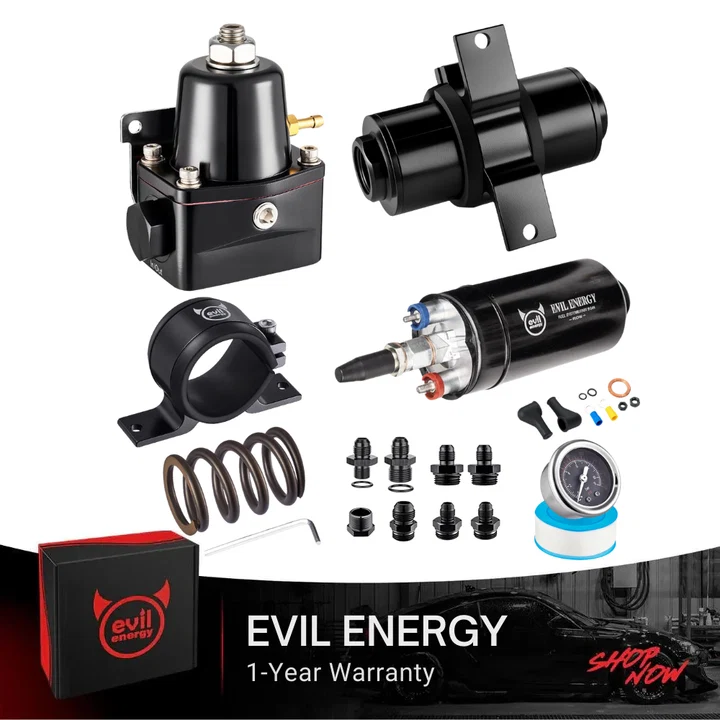
Shop Installation Hardware
Once you have your parts, installation should be approached carefully. Plan where each component will sit, how the fuel lines will run, and where connections will be made before permanently mounting anything.
Keep fuel lines protected from sharp edges, excessive heat, and moving parts. Use suitable clamps and hardware, and make sure every connection is properly secured. If you’re unsure about a particular installation step, consult the component manufacturer’s instructions or a qualified professional.
Why Evil Energy Parts Can Be Worth Considering
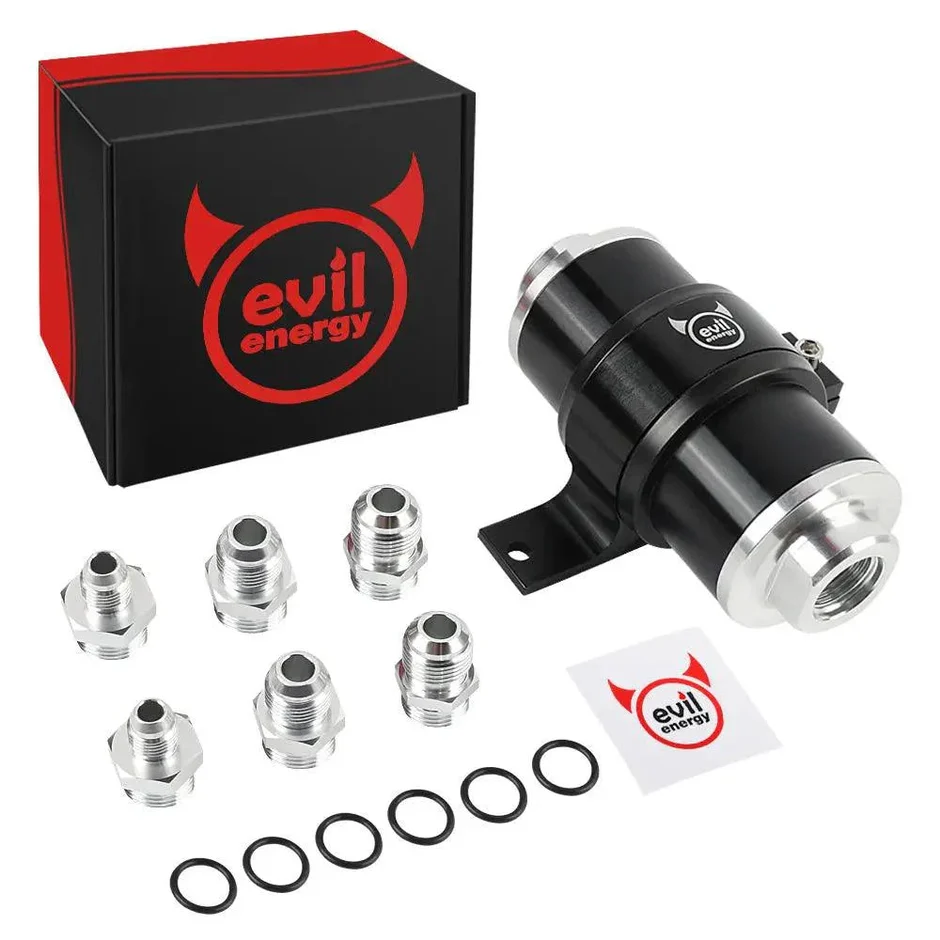
For enthusiasts building or upgrading an EFI system, Evil Energy offers a range of performance-oriented fuel-system components and supporting hardware. Having access to compatible lines, fittings, filters, regulators, and other parts can make it easier to create a cohesive setup.
The best setup isn’t necessarily the most expensive or complicated one. It’s the system that matches your engine, fuel requirements, performance goals, and installation needs while leaving room for sensible future upgrades.
Final Thoughts
Building an EFI fuel system may seem complicated at first, but breaking it into individual components makes the process much easier. Start with your engine’s requirements, choose the right pump and fuel lines, then work through the fittings, filter, regulator, and supporting hardware.
With thoughtful planning and quality components from Evil Energy, you can create a fuel system designed around your performance goals rather than relying on a one-size-fits-all approach. Take your time, double-check compatibility, and make safety a priority from the beginning.